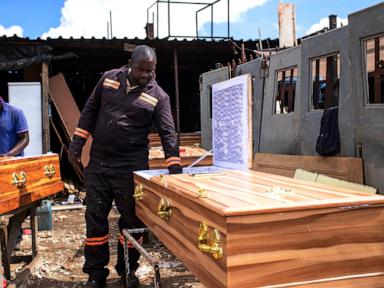
Death is expensive. In many African communities, a proper funeral can wipe out a family's life savings in forty-eight hours. That's why burial societies have existed for generations. You pay a small monthly premium, and when someone dies, the society cuts a check, delivers food, and helps dig the grave.
But things are shifting. A quiet revolution is happening inside these centuries-old financial networks.
Burial societies across the continent are realizing that keeping all their capital locked up for the dead doesn't make sense when the living are struggling to buy groceries, pay school fees, or start small businesses. They are morphing into community banks, investment clubs, and social safety nets. It's a massive financial evolution. And it's happening from the ground up.
Why the Traditional Mutual Aid Model Had to Change
To understand why this shift matters, you have to look at how these groups historically operated. In South Africa, they're called stokvels—specifically burial stokvels. In Zimbabwe, they're called ruwadzano or burial societies. In Kenya, they often operate as chamas.
The math was simple. Members pooled money every month. The cash sat in a bank account or under a mattress. When a member or their registered relative passed away, the group disbursed a lump sum.
It worked. It still works. According to data from the National Stokvel Association of South Africa (NASASA), there are over 800,000 stokvels in the country, commanding billions of rands annually. A huge chunk of those are dedicated solely to funerals.
But holding vast sums of idle cash is a terrible economic strategy. Inflation eats it alive. Plus, members face immediate financial crises that have nothing to do with mortality. If your roof collapses in a storm, waiting for someone to die to access community capital isn't helpful.
The old model kept people dignified in death but left them vulnerable in life.
The Pivot to Everyday Financial Survival
Many modern burial societies operate more like micro-investment firms. They've updated their constitutions to allow for "living benefits."
Take grocery schemes, for instance. Many burial societies now split their monthly collections. One portion goes to the funeral asset fund. The other goes into a bulk-buying pot. In November or December, the society buys maize meal, cooking oil, and sugar directly from wholesalers at massive discounts, distributing the goods to members. This directly combats the soaring food inflation hitting sub-Saharan Africa.
Other groups have ventured into short-term credit. If a member's child needs university tuition fees in January, the burial society lends the money at a negligible interest rate compared to predatory formal microlenders. The interest paid goes back into the society's collective purse, benefiting everyone instead of a corporate bank.
Some societies have even started buying property or investing in retail franchises. They are moving up the value chain. They aren't just paying undertakers anymore; they are becoming the landlords and business owners.
Tech is Speeding Up the Transformation
For decades, these societies ran on paper ledgers and cash kept in tin boxes. This created massive security risks and room for accounting errors.
Today, WhatsApp groups serve as the primary boardroom for millions of these micro-insurers. Members drop proof of payment screenshots into the chat. Decisions on loans happen via voice notes.
Fintech platforms have noticed this massive pool of informal capital. Apps like Stockfella and Franc in South Africa are building specific tools to help these groups formalize. They offer digital ledgers, transparent banking links, and access to actual investment markets like government bonds or index funds.
This tech adoption does two things. It protects the money from theft, and it allows the society to earn actual interest on their capital while they wait for funeral claims.
The Challenges of Going Beyond Funerals
It isn't all smooth sailing. When a burial society decides to act like a bank or an investment fund, it runs into serious regulatory and operational hurdles.
Managing Credit Risk
Traditional burial societies rely on social collateral. You pay because everyone in your village or church knows you. If you don't pay, you disgrace your family. But when societies start lending money for business ventures or school fees, the risk changes. If a member's business fails, they can't repay the loan. The society then faces a hard choice. Do they penalize a neighbor, or do they absorb the loss and jeopardize the funeral payouts for everyone else?
Regulatory Crackdowns
Formal financial regulators are watching. In many jurisdictions, once an informal group starts lending money with interest or investing in commercial markets, they technically cross the line into unregistered banking or insurance territory. Navigating compliance without losing the informal, high-trust nature of the group is incredibly difficult.
How to Modernize a Local Mutual Aid Group
If you operate or advise a community mutual aid group, updating your strategy requires a deliberate, step-by-step approach. You can't just change the rules overnight without creating panic among older members who expect traditional payouts.
First, audit your cash flow. Look at the average number of deaths your society covers in a typical three-year cycle. Keep that exact amount plus a twenty percent buffer in a highly liquid, easily accessible account.
Second, formalize the rules for the surplus. Create a separate "living fund" amendment in your constitution. Clearly define what constitutes an eligible life crisis—such as emergency medical care or school fees—and set a strict cap on how much can be borrowed or used at any one time.
Third, look into institutional partnerships. Don't try to manage complex investments yourself. Approach formal financial firms that offer dedicated group investment products designed for informal societies. This protects your principal capital while giving you the growth needed to fight inflation.
Keep the social trust intact, but stop letting your collective wealth sit idle. Your community needs that capital today, not just when the hearse arrives.