Think about what happens when the lights go out. Not for an hour, but for months. It nearly happened in Moore County, North Carolina, back in 2022 when attackers shot up two electrical substations. The grid survived, barely. The real problem wasn't fixing the wires. It was replacing the massive transformers that convert high-voltage electricity into stuff your house can actually use.
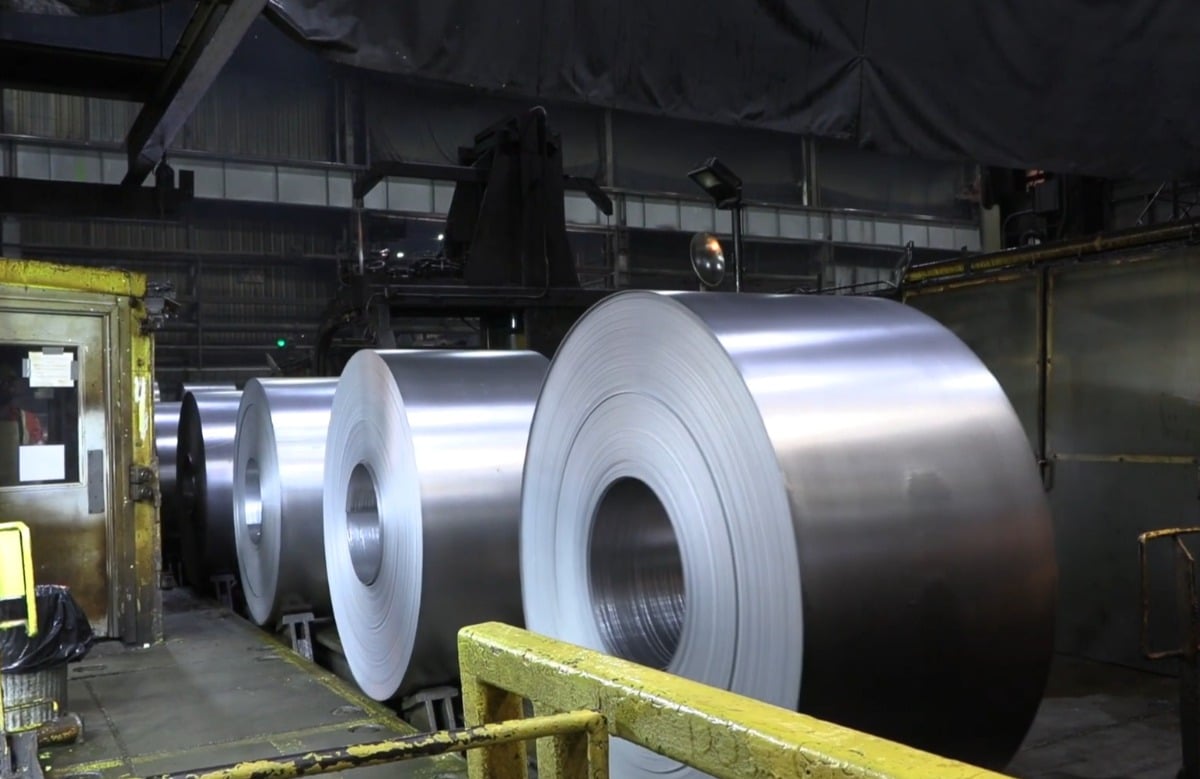
America is facing a terrifying shortage of grain-oriented electrical steel, the highly specialized magnetic metal inside every major transformer. Right now, wait times for new high-voltage transformers stretch past four years. If a major storm or a targeted attack knocks out a dozen of these units simultaneously, parts of the country will sit in the dark for a long time.
The Pentagon isn't waiting around for a blackout. In a massive deal finalized on July 1, 2026, the Defense Logistics Agency locked in a five-year sole-source contract worth up to $400 million with Cleveland-Cliffs Steel Corp. The mission is simple. Secure the military’s supply of this hyper-critical metal before the civilian grid or foreign adversaries buy it all.
The Chokepoint In The Power Grid
You can't just substitute regular steel into a power transformer. It requires grain-oriented electrical steel. This specific alloy has its silicon grains aligned perfectly to conduct magnetic fields with minimal energy loss. Without it, transformers overheat, blow up, or fail to move power efficiently.
Here is the kicker. Cleveland-Cliffs is the only domestic producer left making this material in the United States. They control the old AK Steel plants in Ohio and Pennsylvania, making them a single point of failure for the entire nation's defense infrastructure.
The Pentagon contract runs until September 8, 2030. It spreads across every branch of the military: the Army, Marine Corps, Navy, Air Force, and Space Force. While the Department of Energy keeps debating how to incentivize the civilian grid to modernize, the military just grabbed the front of the line. They realize that without domestic steel, you don't have a defense industrial base. You just have a target.
Why The Civilian Supply Chain Is Broken
Commercial utility companies are furious about this bottleneck, and honestly, they have a point. Lead times for large power transformers have jumped from around 50 weeks in 2021 to over 120 weeks today. For the biggest units, you're looking at four years minimum.
The crisis got worse because of a massive regulatory tug-of-war. The Department of Energy wanted to force utility companies to switch to amorphous steel cores, which are slightly more energy-efficient but even harder to source domestically. After intense pushback from labor unions and grid operators who pointed out that the move would destroy what was left of the US supply chain, the government backed off.
But backing off didn't magically create more factories. Cleveland-Cliffs is running its domestic plants at maximum capacity, yet they can't keep up with a market where underlying grid demand is running way hotter than normal levels. By stepping in with a $400 million defense contract, the Pentagon essentially guaranteed that military bases, radar installations, and naval shipyards get their hardware first. Everyone else has to wait.
The Real Threat Beyond The Grid
This isn't just about keeping the air conditioning on at Fort Bragg. This steel shortage hits right as the Pentagon faces a strict January 1, 2027 deadline to purge all Chinese-origin rare earths, heavy metals, and critical alloys from the defense supply chain.
China spent thirty years undercutting Western steel and magnet manufacturers to build a global monopoly on heavy electrical components. If Beijing decides to choke off exports of raw transformers or the foundational electrical steels needed to build them, Western infrastructure grinds to a halt. The military's new five-year buying block creates a guaranteed revenue stream for domestic production, giving Cleveland-Cliffs the financial air cover to maintain its specialized mills without fearing cheap foreign dumping.
What Needs To Happen Next
If you run a business dependent on steady power, or if you manage utility procurement, relying on a single domestic manufacturer with a massive military backlog is a recipe for disaster. The current environment requires immediate, aggressive changes to how we approach infrastructure hardware.
- Audit your component pipeline immediately. Do not trust standard supplier delivery estimates. If your operations rely on custom or high-voltage transformers, verify exactly where the manufacturer secures their electrical steel.
- Invest in physical security for existing infrastructure. Because replacement timelines are now measured in years, protecting current transformer inventory from physical vandalism or weather damage is far cheaper than trying to source a replacement.
- Establish redundant international supply chains with allied nations. If domestic capacity is entirely choked out by defense contracts, companies must proactively qualify secondary suppliers in Japan or South Korea to bypass the domestic queue.
The Pentagon just proved that critical infrastructure components are the new frontline of national security. Expect the civilian market to get tighter, prices to climb, and waiting lists to grow longer as the government prioritizes its own survival over commercial convenience.