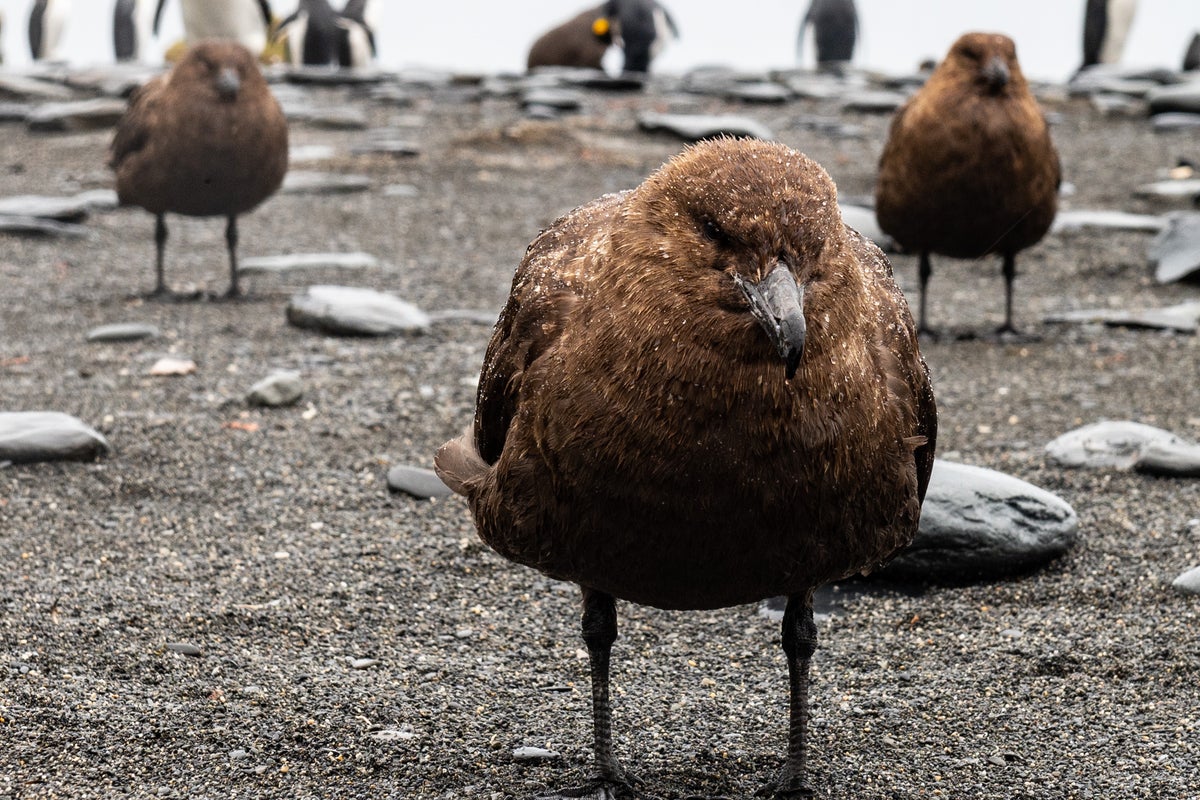
The detection of a suspected H5 avian influenza case in a migratory brown skua (Stercorarius antarcticus) at Cape Le Grand National Park in Western Australia marks the disruption of mainland Australia’s status as the final continental sanctuary free from Highly Pathogenic Avian Influenza (HPAI) clade 2.3.4.4b. While initial screening confirmed an H5 subtype, definitive genetic sequencing at the CSIRO Australian Centre for Disease Preparedness remains the critical gating item to verify if this is the lethal H5N1 variant currently driving global ecological panzootics.
Managing the transition from a zero-case environment to an active incursion zone requires an immediate pivot from passive exclusion to aggressive containment. This analysis evaluates the exposure vectors, economic vulnerabilities, and operational response models dictated by this epidemiological shifts.
The Three Pillars of Avian Influenza Exposure
To systematically assess the threat landscape, the entry and propagation of HPAI can be deconstructed into three interdependent structural variables.
The Pelagic-Terrestrial Vector
Migratory pelagic seabirds act as long-distance biological conduits. The brown skua and a second symptomatic specimen, a giant petrel (Macronectes), are subantarctic species capable of trans-oceanic transit. Genetic tracking data from the Australian Antarctic Program indicates that the virus established a foothold in Australian external territories, specifically Heard Island and the McDonald Islands, via wildlife movements from the French sub-Antarctic Crozet Islands, roughly 1,800 kilometers away. The movement of these apex avian scavengers creates a direct transmission bridge from isolated southern islands to the vulnerable coastline of the Australian mainland.
Viral Pathogenicity and Mammalian Cross-Over
Clade 2.3.4.4b exhibits an expanded tissue tropism, meaning it can infect cell types across diverse species. The virus is no longer constrained to the avian respiratory and gastrointestinal tracts; it shows a high affinity for neurological and systemic degradation in mammals. This mechanism was demonstrated on Heard Island, where drone-based surveys recorded a staggering 76% to 97% mortality rate among southern elephant seal pups. The capacity for intra-mammalian transmission escalates the biological risk from a localized wildlife mortality event to a systemic threat targeting marine mammals, domestic livestock, and potential human hosts.
Environmental Reservoirs and Edge Effects
The interface where wild migratory birds interact with domestic poultry operations represents the primary vector for economic loss. Coastal wetlands and shorelines serve as initial viral deposition points. When wild birds congregate near inland water bodies used by commercial farms, the viral shedding in feces and respiratory secretions creates an environmental reservoir. The risk increases during winter when water temperature decreases, extending the environmental stability of the virus outside its host.
Quantifying the Economic and Ecological Cost Function
A mainland incursion forces an immediate re-evaluation of Australia's agricultural asset protection strategies. The total economic exposure is determined by three primary compounding costs:
$$Total Cost = Direct Culling Costs + Asset Underutilization + Export Market Multipliers$$
Direct culling costs involve the mandatory eradication of infected and exposed commercial flocks within strict biosecurity perimeters, paired with asset underutilization costs during protracted farm decontamination phases. The largest financial variable is driven by export market multipliers. Trade partners frequently enforce immediate bans on poultry, genetics, and egg exports from regions losing their HPAI-free status, causing severe market disruptions.
Ecologically, the baseline is vulnerable. Because native Australian avian and marine mammal populations have not encountered this specific pathogen lineage, they lack ancestral immunological resistance. A mainland outbreak risks triggering high mortality rates in endangered endemic species, particularly colonial nesting shorebirds and localized populations of sea lions, where social breeding structures amplify transmission rates.
The Rapid Response Framework
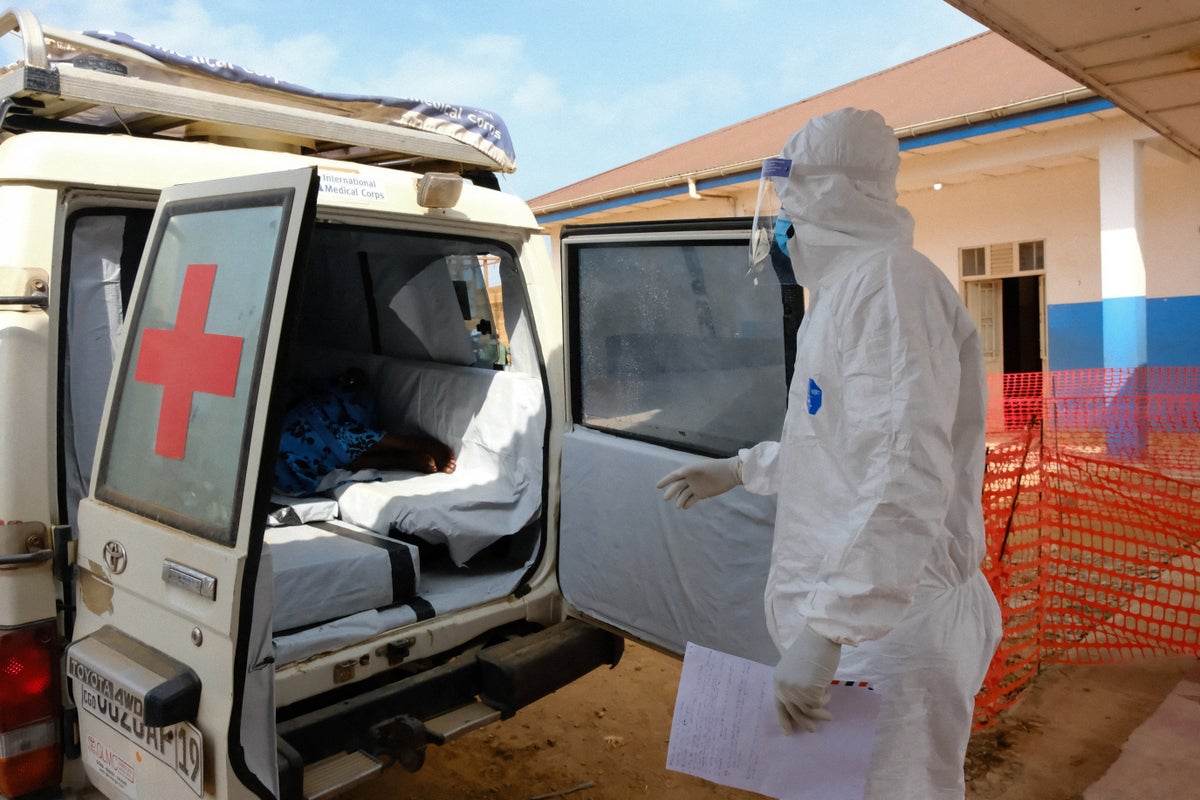
The transition from suspicion to confirmation triggers the Emergency Animal Disease Response Agreement (EADRA), a pre-negotiated cost-sharing and operational matrix linking federal, state, and industry bodies. The intervention sequence follows a rigid timeline designed to isolate the pathogen before it achieves regional endemicity.
Phase 1: Zone Definition and Movement Control
Upon laboratory confirmation of H5N1 by the CSIRO, authorities establish a series of concentric biosecurity zones centered on the index case site:
- Restricted Area (RA): A tight perimeter directly surrounding the detection zone, subject to absolute movement bans on birds, equipment, and biological materials.
- Control Area (CA): A broader buffer zone where movement requires official permitting, paired with mandatory surveillance of all commercial and domestic flocks.
Phase 2: Trace-Back and Surveillance Analytics
Epidemiological teams launch trace-back protocols to track the index bird's geographic timeline over the preceding 14 days. Flight path modeling and tracking of concurrent local mortality events dictate where surveillance resources are deployed. This data identifies whether the index case represents an isolated, low-probability spillover or the leading edge of a broader migratory flock infestation.
Phase 3: Commercial Poultry Hardening
The defense of commercial poultry operations requires immediate shifts in farm infrastructure management. Biosecurity protocols transition from baseline prevention to absolute physical segregation:
- Total Shed Housing: Mandatory confinement of all outdoor and free-range flocks to fully enclosed facilities to eliminate physical and aerial contact with wild birds.
- Water Treatment Filtration: Implementation of continuous chlorination or ultraviolet treatment for all farm water sourced from open surface dams.
- Sanitization Airlocks: Installation of vehicle disinfection bays and mandatory footwear and clothing changes for all personnel crossing the clean-dirty perimeter boundary.
Strategic Bottlenecks and Operational Limitations
A clear-eyed assessment reveals significant operational constraints within the current containment framework. Australia’s vast and rugged coastline complicates active wildlife surveillance. Relying on passive public reporting or opportunistic scientific observations creates a reporting latency, meaning outbreaks in remote areas may spread unchecked before official detection occurs.
Furthermore, vaccination strategies present complex regulatory hurdles. While emergency poultry vaccination protocols exist, deploying them broadly can mask low-level viral circulation, complicating efforts to prove a region is entirely free from disease. This ambiguity can extend trade restrictions imposed by foreign markets, turning a short-term containment victory into a prolonged economic disadvantage.
The next 48 hours are critical. If genetic sequencing confirms H5N1, the federal government must activate its national response plans without delay. The priority must shift from coastal monitoring to immediate biosecurity enforcement around agricultural hubs. State and federal agencies must coordinate to implement strict movement controls, protect commercial supply chains, and deploys targeted surveillance to intercept the virus before it moves from the coast into the interior agricultural networks.