The completion of negotiations for the bilateral free trade agreement between India and the European Union marks a structural realignment in global commerce, establishing a trade zone encompassing two billion people and 25% of global gross domestic product. Following the formal conclusion of the pact on January 27, 2026, the bilateral agenda has shifted to mechanical execution: completing the legal review within July 2026, proceeding to formal signatures by December 2026, and aiming for operational implementation by the first quarter of 2027. Stripping away political rhetoric reveals a transactional, high-stakes equilibrium calculated to counter escalating tariff volatility from traditional economic centers and secure critical market vulnerabilities.
The Friction Vectors and Market-Access Equilibrium
The trade agreement operates on an asymmetric tariff-reduction framework designed to balance India's export-driven manufacturing goals against the European Union's defensive agricultural posture and high-value industrial ambitions. Under the negotiated terms, the European Union grants immediate or phased duty-free access to approximately 93% of Indian export lines. This concession aims squarely at price-sensitive sectors where Indian producers face steep competition from intra-EU suppliers and preferred regional trade partners.
The Footwear and Leather Axis
For Indian exporters, the removal of duties across the European single market acts as an immediate cost-efficiency driver. Historically, Indian leather products and footwear encountered average tariff barriers that eroded margins against regional competitors. The institutional integration realized through this pact removes these tariff overheads entirely, shifting the competitive metric from trade-policy compliance to supply-chain efficiency and raw material procurement costs.
High-Value European Inflows: Car and Wine Mechanics
In exchange for extensive market access across 27 developed economies, India has restructured its defensive tariff walls on iconic European luxury goods. The adjustments follow strict multi-year depreciation schedules:
- Automotive Tariffs: Base customs duties on imported European luxury vehicles, previously resting at prohibitive levels, scale down to 40%. This adjustment targets a specific consumer demographic without completely destabilizing domestic manufacturing ecosystems protected by local production incentives.
- Viticulture and Spirits: Indian import duties on European wines drop from 150% down to 75% immediately upon enforcement, with a contractual slide path toward 20% over a defined timeline. Olive oil tariffs follow a five-year compression model, scaling from 45% to 0%.
To protect domestic agrarian constituencies, European negotiators maintained zero-concession baselines on highly sensitive agricultural assets. Tariffs on European imports of beef, sugar, ethanol, rice, and poultry remain completely untouched. This protectionist boundary demonstrates the structural limits of the negotiation, proving that market access is strictly bound by internal electoral vulnerabilities.
The Institutional Bottlenecks to Implementation
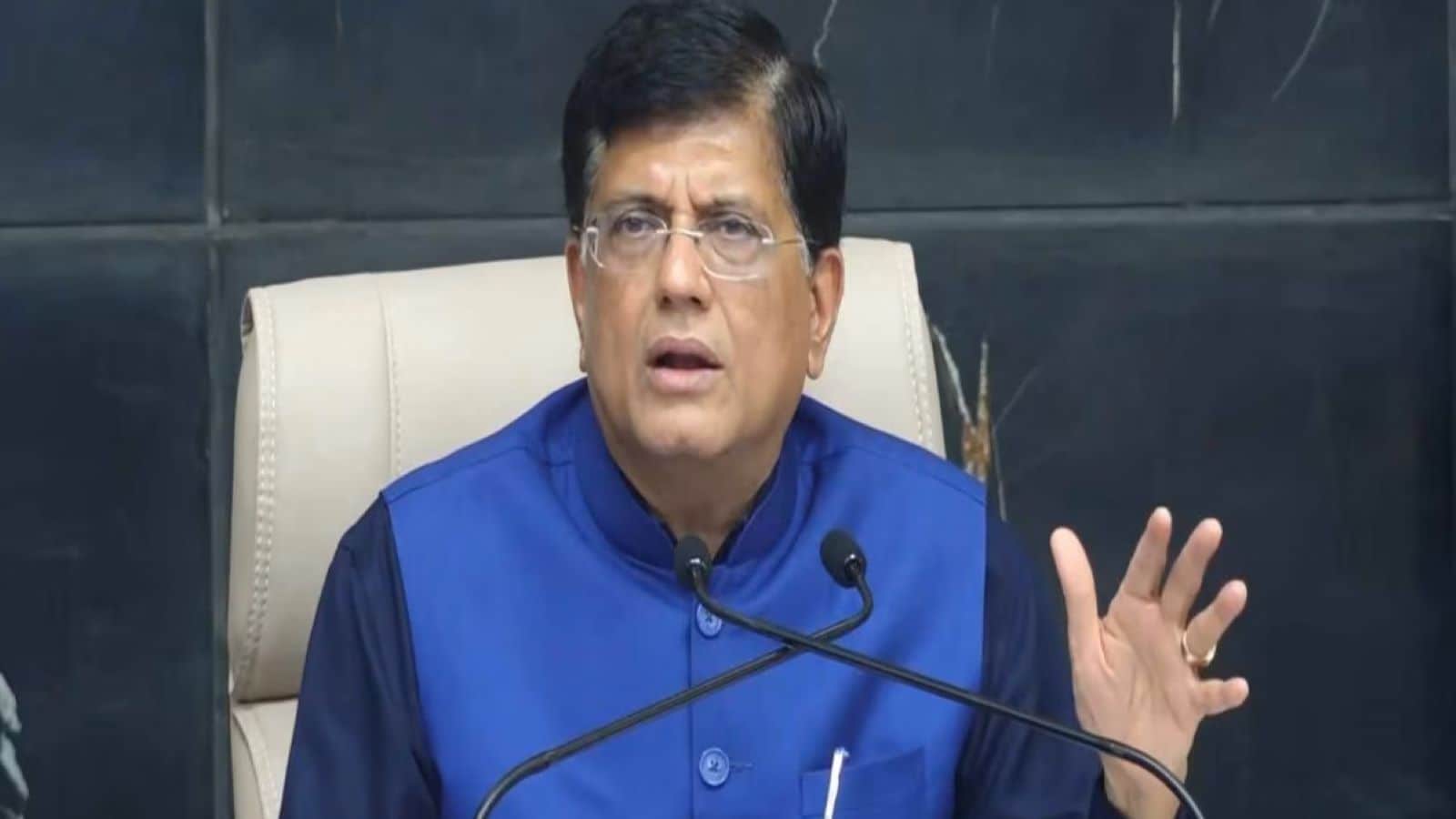
The timeline announced by Commerce Minister Piyush Goyal hinges on two successive administrative phases, each carrying distinct execution risks.
[Phase 1: Legal Scrubbing (15-20 Days)] ---> [Phase 2: Council & Parliament Ratification (H2 2026)] ---> [Phase 3: Operational Inception (Q1 2027)]
Technical Verification and Legal Scrubbing
The current phase, scheduled for completion within a 15-to-20-day window in July 2026, involves reconciling divergent legal definitions across multiple jurisdictions. The text must achieve absolute consistency across all official EU languages and Indian statutory codes. Misalignments in rules of origin criteria, sanitary and phytosanitary (SPS) measures, or technical barriers to trade (TBT) during this phase can create unexpected friction, delaying the transition to formal signatures.
The Multi-Tiered Ratification Process
Once signed in December 2026, the agreement must navigate the European Union’s complex institutional architecture. This requires a formal proposal from the European Commission, a consensus decision by the Council of the European Union, and explicit consent from the European Parliament. Concurrently, the Indian Union Council of Ministers must execute domestic ratification. Because the pact includes distinct tracks for investment protection and geographical indications, any overlap with mixed-competence definitions could require ratification by individual EU member state parliaments, which introduces acute political risk and timeline extensions.
Geopolitical Realignment and Tariff Diversification
The acceleration of this pact is fundamentally a defensive response to systemic shocks in the global rules-based trading order. Escalating trade friction driven by sudden protectionist shifts in Washington, alongside parallel unilateral supply-chain dependencies on Beijing, left both Brussels and New Delhi economically exposed.
The implementation of severe economic duties, including a combined 50% tariff structure imposed by the United States on specific refined trade products, served as a catalyst for Indian trade strategists. The weaponization of tariff policies by major economies underscored the vulnerability of relying on personalized diplomacy or legacy agreements. By binding their economies through an enforceable multilateral framework, India and the European Union are building a structural hedge. For the European Union, India offers a massive, youthful consumer market of 1.45 billion people to offset transatlantic trade vulnerability. For India, the agreement locks in deep capital inflows and secures access to premium industrial technologies.
Non-Tariff Friction: The Carbon Border Adjustment Mechanism
The true operational test of this trade framework lies in the intersection of market access and environmental compliance. While nominal tariffs approach zero, non-tariff barriers will govern actual trade volumes. Chief among these is the European Union’s Carbon Border Adjustment Mechanism (CBAM).
Indian industrial exporters in carbon-intensive sectors—specifically iron, steel, and aluminum—face a rigorous compliance curve. The free trade agreement does not exempt Indian goods from European carbon accounting. Consequently, the financial gains realized by eliminating standard customs duties could be entirely erased if Indian production methods fail to meet European carbon-intensity thresholds. This dynamic shifts the strategic burden onto Indian industrial policy. To fully capture the economic benefits of the Q1 2027 implementation, domestic manufacturers must accelerate the decarbonization of their production chains, transforming an environmental regulatory hurdle into a prerequisite for market entry.
Firms operating across the India-EU corridor must immediately transition from speculative planning to aggressive capital allocation. Supply chain logistics must be optimized to handle anticipated volume increases by early 2027, while legal departments must audit rules-of-origin documentation to meet strict compliance verifications. The structural window between the legal review in July and formal signatures in December represents the final lead time for market participants to reconfigure their operational cost models before the new tariff structures alter bilateral trade dynamics.