The tragic reality of entering the ocean with a speargun is that you are actively ringing a dinner bell for apex predators. On Saturday, June 6, 2026, that reality struck again in Western Australia. A 35-year-old man was spearfishing with his family off Michaelmas Island, a quiet nature reserve near the southern port city of Albany, when he was struck by a suspected 4.5-meter great white shark.
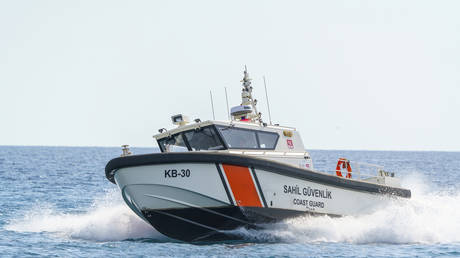
The attack happened just before 11:30 AM. Family members scrambled to pull him from the water and rushed his boat 13 kilometers back to the Albany marina. Paramedics were waiting on the docks, but the trauma was too severe. He couldn't be revived.
This tragedy marks a deeply unsettling pattern. It's the third fatal shark attack in Australian waters in just three weeks, and the fourth since the year began. For a country that usually averages around three shark-related deaths annually, this sudden cluster has sparked urgent questions among divers, fishers, and marine scientists alike.
The Anatomy of a Three-Week Spike
To understand what's happening, you have to look at the timeline. The recent streak of fatalities isn't confined to one single hotspot, making the sudden surge even more alarming for the coastal community.
- May 16, 2026: Steve Mattabonni, a 38-year-old father of two, was fatally mauled by a five-meter great white while spearfishing at Horseshoe Reef near Rottnest Island, just off the coast of Perth.
- May 24, 2026: Michael Jensz, 39, died from critical head injuries after a bull shark attacked him while he was spearfishing at Kennedy Shoal on the Great Barrier Reef in far north Queensland.
- June 6, 2026: The unnamed 35-year-old spearfisher lost his life at Michaelmas Island off Albany.
Earlier in the year, in January, a 12-year-old boy named Nico Antic also lost his life after an attack in Sydney Harbor.
When you look at the three recent winter deaths, one massive common denominator jumps out. Every single victim was spearfishing. This isn't a coincidence, and it highlights the inherent, calculated risk that underwater hunters accept the moment they dive.
Why Spearfishers Are the Ultimate Target
If you talk to any commercial fisher or veteran diver in Western Australia, they'll tell you the same thing: you aren't just swimming with sharks; you're actively competing against them.
Spearfishing creates a perfect storm of acoustic and olfactory triggers that sharks are hardwired to detect from miles away. When a spear hits a fish, the fish doesn't die instantly. It thrashes. That low-frequency vibration travels through the water like a beacon. To a great white or a bull shark, that specific vibration signals an easy, distressed meal.
Then comes the blood. Spearfishers often carry their catch on a stringer attached to their waist or a float line. Dragging bleeding, dying fish through the water column in an area known for large predators is effectively laying down a scent trail straight to yourself.
Local commercial fishers in Albany noted that larger sharks are heavily active along the coast right now. Salmon and sardines are migrating, drawing apex predators close to shore. When humans enter that mix carrying struggling prey, the sharks simply do what they've done for millions of years. They take the easiest meal available.
The Problem of Changing Environments
While the human element explains why spearfishers bear the brunt of these encounters, environmental shifts are altering where and when these predators hunt.
Australian scientists have spent years tracking how rising ocean temperatures and changing currents alter shark migratory patterns. Warmer waters push baitfish into new areas, and the predators follow. Additionally, heavy seasonal rains earlier in the year caused significant runoff in regions like Sydney, creating murky, low-visibility water. Sharks rely heavily on clear sight to differentiate between prey and humans in the final seconds of an approach. In low visibility, they strike first and ask questions later.
Politicians are already calling for action. Following the Albany attack, WA Opposition Leader Basil Zempilas demanded a formal government response, citing the unusual frequency of two deaths in Western Australia in less than a month. Yet marine biologists consistently warn that culls and drum lines provide a false sense of security and fail to address the core issue: humans are entering a wild environment during peak feeding seasons.
How to Lower the Odds on Your Next Dive
You can't completely eliminate the risk of a shark encounter when diving in deep, open water, but you can drastically lower the chances of an encounter turning fatal. If you're going out, change how you operate.
- Ditch the waist stringer: Never secure dead or bleeding fish directly to your body. Use a long float line with a catch bag kept far away from your diving radius, or better yet, get the fish out of the water and onto the boat immediately.
- Dive with a vigilant spotter: In both the Rottnest Island and Great Barrier Reef attacks, friends were close by but couldn't stop the initial strike. A designated spotter on the boat tracking the water line can spot shadows before you see them from below.
- Avoid the transition zones: Do not dive during dawn, dusk, or in areas where major river systems empty into the ocean after heavy rain. Murky water belongs to bull sharks and tiger sharks.
- Invest in electronic deterrents: While not 100% foolproof, independent studies from institutions like Flinders University show that verified electrical shark deterrents significantly reduce the likelihood of a great white shark investigating a diver.
Pay close attention to local regional alerts. Check the SharkSmart WA app or local marine broadcast frequencies before launching. If commercial fishers report heavy shark activity or schools of salmon close to the reefs, pick a different day to dive. The ocean belongs to them; we're just visitors.