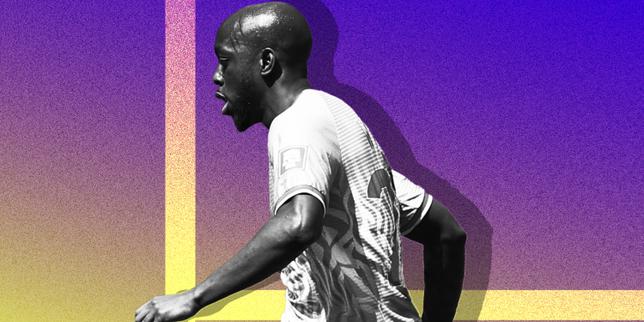
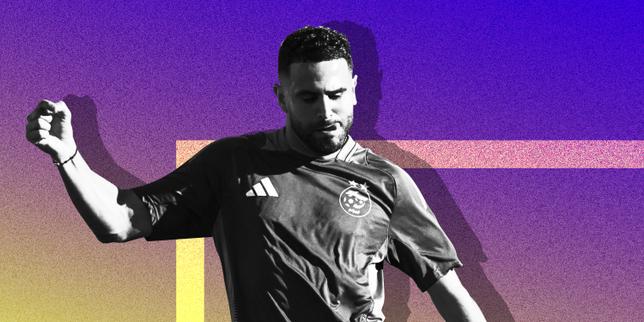
The neon stadium lights catch the emerald green of the fabric, turning sixty thousand fans into a synchronized wave of national pride. You wear it like armor. When the national anthem plays, you clutch the embroidered crest over your heart. It costs $150 at an official retailer, a premium price for a premium emotion.
Now, change the lighting. Move away from the roaring stadium and step into the suffocating humidity of a concrete workshop in San Antonio Castillo Velasco, Oaxaca.
Maria sits here for fourteen hours a day. (Maria is a composite representation of the indigenous artisans caught in this supply chain). Her fingers, calloused and stained with plant-based dyes, guide a needle through cotton. She is embroidering a complex, geometric pattern that her grandmother taught her—a design that tells the story of her ancestors, the rain gods, and the corn harvest. For three weeks of meticulous labor on a single garment, she will be paid roughly fifteen dollars.
When the world’s largest sportswear brands decided to blend indigenous Mexican artistry with high-performance athletic gear for the World Cup, the marketing campaigns promised a celebration of culture. They called it a tribute. They called it artisanal harmony.
They forgot to mention that it looks a lot like theft.
The Disconnect on the Rack
Walk into any flagship sports store in Mexico City, Los Angeles, or London. The marketing materials scream authenticity. The tags detail how the patterns are "inspired by the rich tapestry of Mixtec and Zapotec history." They use soft, evocative language to make you feel like your purchase is directly supporting a lineage of ancient craftsmen.
It is a beautiful illusion.
The reality of global apparel manufacturing is cold, mechanical, and aggressively optimized for profit margins. Major athletic brands rarely contract directly with local artisans for mass production. It is logistically impossible to produce hundreds of thousands of identical jerseys using traditional backstrap looms. Instead, corporations deploy a two-pronged strategy that systematically strips the economic value away from the communities that birthed the designs.
First, there is outright digital replication. Graphic designers in Germany or Oregon take photographs of sacred indigenous textiles, clean up the lines in Adobe Illustrator, and send the files to massive automated factories in Southeast Asia. The machines print millions of yards of polyester mesh featuring stolen heritage. The artisan receives zero pesos, zero recognition, and zero legal recourse.
Second, when brands do want the prestige of "authentic hand-embroidery" for limited-edition releases, they utilize predatory subcontracting networks. Middlemen, known locally as coyotes, drive into remote Oaxacan or Chiapan villages. They exploit the lack of local jobs, offering subsistence wages to women who have no other way to feed their families. The brand buys the piece from the middleman for a pittance, stitches it onto a jersey, and markets it to wealthy consumers at an astronomical markup.
This is not a partnership. It is cultural extraction.
The Invisible Stakes of a Stitch
To understand why this hurts so deeply, you have to look beyond the economics. In the West, clothing is disposable. It is fast fashion, a trend that lasts a season before ending up in a landfill.
For the indigenous communities of Mexico, a textile is a text.
The huipil—the traditional embroidered blouse worn by indigenous women—is a living document. The specific layout of the threads can tell you the wearer’s village, her marital status, her religious devotion, and her family lineage. Certain patterns are sacred, reserved for spiritual ceremonies or protection rituals.
When a multi-billion-dollar sports brand takes a sacred protection symbol and plasters it across the torso of a millionaire striker to sell beer sponsorships, something precious breaks. The meaning is hollowed out. The sacred becomes commercial wallpaper.
Consider the intellectual property paradox. If a musician samples three seconds of a pop song without permission, they are sued for millions. If a tech company uses a line of proprietary code, the courts shut them down. But because indigenous designs are communal—created by generations of collective culture rather than a single corporate entity—international copyright law treats them as free for the taking. They are classified as "folklore," a patronizing term that legally translates to "open source."
The legal system protects the corporate logo stitched on the right breast of the jersey with terrifying ferocity. The ancestral design filling the rest of the shirt enjoys no protection at all.
A Rebellion in the Workshop
Change does not start in corporate boardrooms. It starts where the needles are threaded.
Across Mexico, artisan collectives are beginning to fight back, organizing themselves to resist corporate exploitation. They are studying international law, forming cooperatives, and demanding a seat at the negotiation table. They are no longer content to be the anonymous faces in promotional videos about corporate social responsibility.
The collective Sna Jolobil in Chiapas and various weaver groups in Oaxaca have begun documenting their traditional patterns, creating digital registries to establish historical precedence. When brands attempt to copy their work, these collectives use social media to call out the plagiarism publicly, creating a PR nightmare that corporations are desperate to avoid.
But the burden cannot rest solely on the shoulders of overworked artisans.
The solution requires a complete overhaul of how sports apparel giant’s operate. True ethical collaboration looks entirely different from the current model. It requires direct contracts that cut out the predatory middlemen. It requires profit-sharing mechanisms where a percentage of every jersey sold goes into a community trust fund managed by the artisans themselves, financing local infrastructure, clean water projects, and schools.
More importantly, it requires veto power. If an indigenous community decides that a particular symbol is too sacred to be placed on a commercial athletic kit, the brand must respect that boundary. True collaboration means accepting "no" for an answer.
The Weight in Your Hands
The next time a major tournament rolls around, the marketing machine will spin into high gear again. The slow-motion videos of smiling elderly women weaving in the sun will flash across your screen, designed to make you feel good about spending your money.
But now you know how the machine works.
The jersey in your closet is not just nylon and ink. It is a battlefield where global capitalism clashes with ancestral survival. Every thread carries a cost, and right now, the wrong people are paying it.
When you buy into the spectacle, you are choosing which side of the needle you stand on. The roar of the stadium is deafening, but if you listen closely enough to the fabric in your hands, you can still hear the quiet, furious scrape of a needle against concrete, demanding to be heard.