Russia is using its largest commercial job board to recruit untrained civilians for military drone units under the guise of municipal defense. Listings on HeadHunter offer a starting pay of 150,000 roubles to join the Combat Army Reserve Force and protect the skies over Moscow. The reality is far grimmer than the high-tech urban security role described in the postings. Once an applicant signs a contract with the Ministry of Defense, local protections disappear, leaving these recruits legally exposed to immediate frontline deployment in Ukraine as standard infantry.
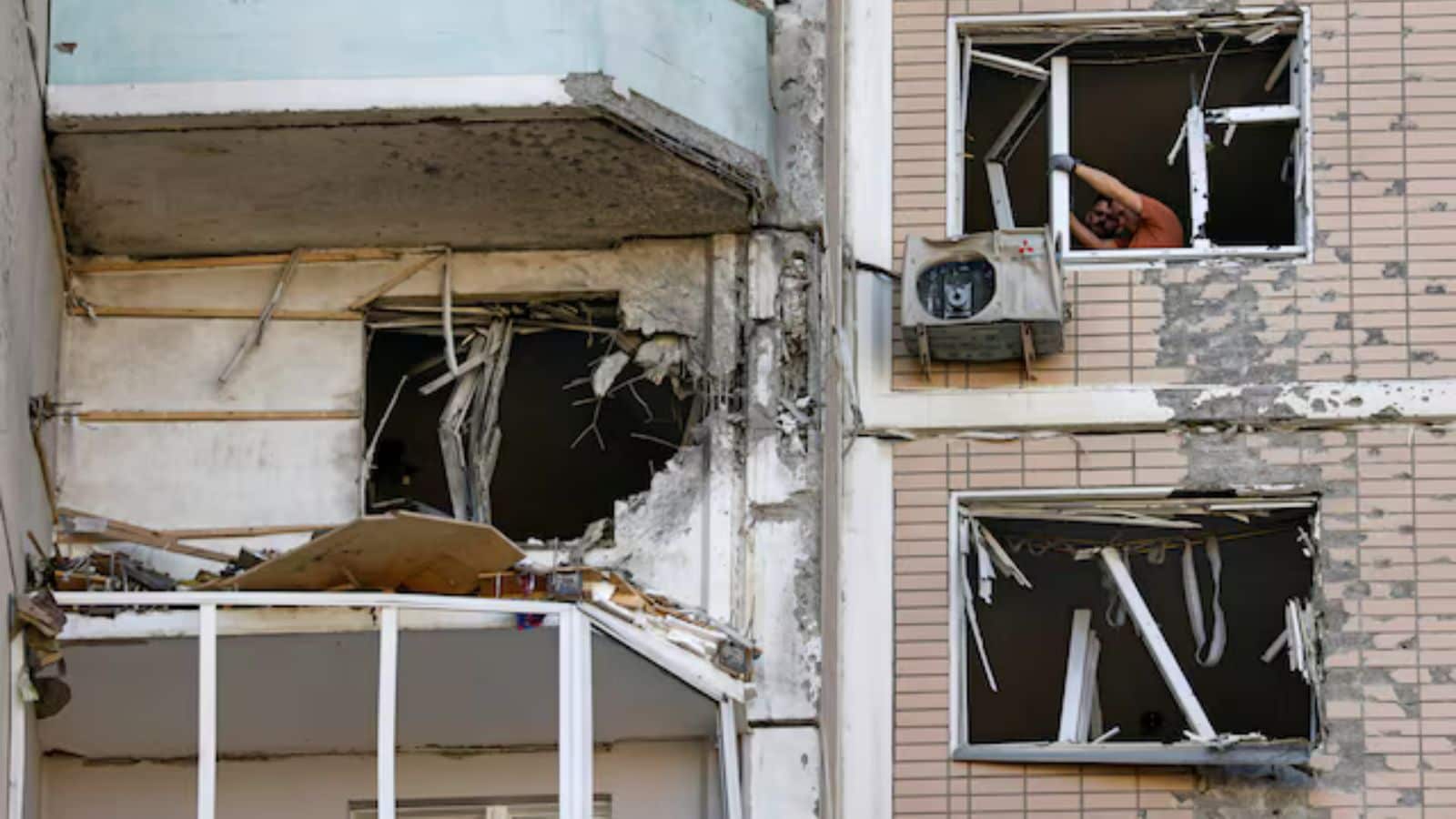
The online job postings present an alluring prospect for young, underemployed Muscovites. Applicants need only basic technical skills and a passing interest in technology to qualify. The listings guarantee that recruits will work with surveillance systems to secure the capital from escalating Ukrainian drone attacks, which recently damaged a major oil refinery near the Moscow ring road. By framing the role as a domestic, tech-oriented volunteer position, recruiters bypass standard mobilization anxieties.
Scratch the surface of these corporate job boards and the systemic desperation of the Russian military apparatus becomes undeniable. The state is no longer relying solely on standard military enlistment offices or shadowy mercenary recruiters. They are using mainstream corporate human resource infrastructure to source bodies for an attritional war.
The Legal Trap in HeadHunter Listings
Commercial recruitment platforms give these military contracts a false veneer of civilian normalcy. On paper, the vacancy appears like any other technical support or logistics role. The description details tasks like pre-flight planning, data set collection, and routine night-time surveillance flights over urban environments. This corporate phrasing deliberately obscures the absolute nature of Russian military contracts.
Military legal experts point out that the Russian legal framework recognizes no difference between a civilian responding to a HeadHunter ad and a volunteer signing up in a remote Siberian village. Once the signature is on the document, the individual belongs to the Ministry of Defense. A commander possesses total discretion over personnel assignments. An operator who expects to monitor the Moscow skyline from an air-conditioned command center can be reassigned to a frontline assault unit within forty-eight hours.
The strategy targets individuals who are hesitant to join the regular army but comfortable taking a tech job. Independent legal advocates have tracked a growing number of cases where families attempted to contest these reassignments, only to find that the contracts contain zero clauses binding the military to keep the recruit in a rear-guard position. The promise of a safe, local assignment remains entirely verbal.
The Economics of Desperation
The financial details of the HeadHunter posting expose a significant shift in Russia's military economy. The advertised salary of 150,000 roubles per month sits well below the average Moscow salary, which currently exceeds 200,000 roubles. This indicates that the state is targeting a specific economic demographic that is locked out of the capital's high-paying commercial sectors.
+------------------------------------+-----------------------+
| Position / Region                  | Monthly Pay (Roubles) |
+------------------------------------+-----------------------+
| Moscow Average Commercial Salary   | 200,000+              |
| HeadHunter Drone Operator Post     | 150,000               |
| Standard Frontline Combat Pay      | 200,000–210,000       |
+------------------------------------+-----------------------+
This pay structure relies on a calculated trade-off. Recruiters assume that candidates will accept lower pay in exchange for the perceived safety of staying in Moscow. For a young high school graduate or an underemployed logistics worker, 150,000 roubles looks substantial. It provides a steady income without the immediate, obvious risks of a combat deployment.
The listings also mention performance-based bonuses, a phrase borrowed directly from corporate retail sales. In a military context, performance bonuses mean something entirely different. They are tied to operational metrics, hardware maintenance, or taking on additional hazardous duties. It is a corporate euphemism superimposed onto a wartime mobilization strategy.
The Student Pipeline and Broken Promises
This corporate recruitment drive mirrors a broader, more aggressive push across Russian educational institutions. Over the past year, vocational centers like Alabuga Polytech in Tatarstan and major universities have started funneling students into unmanned systems programs. Recruiters visit classrooms, offering academic leave, financial stipends, and explicit promises that students will remain in the rear.
The outcomes of these programs demonstrate the systemic deception at play. Hundreds of students signed specialized contracts believing they would operate long-range reconnaissance drones from secure facilities in regions like Oryol or Belarus. Instead, many found themselves deployed directly to active combat zones in eastern Ukraine.
"Recruiters deliberately fail to mention that drone pilots have become the highest-priority targets on the modern battlefield," noted Sergei Mamontov, an independent military lawyer who has advised families of deployed recruits. "They present it as a video game, but signing that document makes you an ordinary soldier whom the state will use wherever the line is breaking."
The case of twenty-three-year-old student Valery Averin highlights this systemic issue. Averin signed a specialized unmanned systems contract in January, expecting a technical assignment far from the fighting. By April, he was killed during an infantry engagement in the Luhansk region. His drone training meant nothing when his unit faced a critical shortage of frontline personnel.
The Massive Scale of the Unmanned Systems Forces
The reliance on job boards is driven by massive institutional expansion. The Russian military officially established the Unmanned Systems Forces as an independent branch of arms to centralize its drone operations. This bureaucratic change triggered an insatiable demand for personnel that traditional draft boards cannot satisfy.
Military intelligence assessments indicate that Russia's drone forces grew to more than 100,000 personnel by early this year. The Kremlin aims to expand this branch to 165,000 troops by the end of the year, with a long-term goal of over 200,000. Achieving these numbers requires constant, aggressive recruitment across every available civilian channel.
+------+---------------------------+
| Year | Target Personnel Strength |
+------+---------------------------+
| 2024 | 80,000                    |
| 2026 | 165,000                   |
| 2030 | 210,000                   |
+------+---------------------------+
To meet these quotas, organizations like the elite Rubicon center and newly formed unmanned systems brigades have turned to commercial classified sites. Investigations by independent media outlets like Verstka revealed dozens of identical job postings on sites like Avito. These ads promised safe rear-guard positions at supply depots or manufacturing plants, sometimes claiming the jobs were located as far away as China or Belarus.
When applicants follow up on these classified ads, the corporate facade drops. They are directed to regional distribution centers where they sign standard military contracts. The promised factory or depot jobs turn out to be temporary or entirely fictional, serving merely as a hook to capture civilian data and signatures.
Urban Vulnerability and Public Relations
The sudden urgency to recruit drone operators specifically for Moscow's defense reveals growing anxiety within the Kremlin. Long-range Ukrainian strike drones are consistently penetrating deep into Russian territory. Hits on factories, military airfields in Crimea, and critical energy infrastructure inside the Moscow ring road have punctured the illusion of domestic invulnerability.
The HeadHunter ad serves a dual purpose. It attempts to build a localized air defense network while projecting a sense of control to the domestic public. By calling for volunteers to protect the city using modern technical solutions, the state frames the war as a collective defense initiative that ordinary citizens can join without leaving their families.
It creates a dangerous loop. The state needs technicians to counter real structural vulnerabilities, yet its own legal and military systems treat those technicians as disposable assets. A recruit sitting at a monitoring station in Moscow today can be handed a rifle and sent into an assault trench tomorrow if the frontline numbers drop below a critical threshold. Civilians looking for a stable corporate job in technology are instead stepping directly into a mobilization trap disguised as an online help-wanted ad.