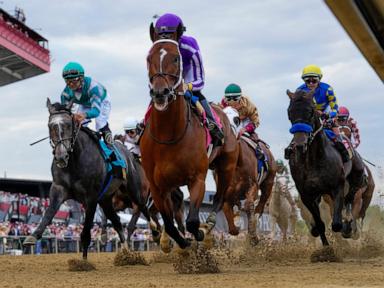
The Triple Crown just underwent a hostile takeover in slow motion. Churchill Downs Inc. (CDI) has officially acquired the intellectual property of the Preakness Stakes from the Stronach Group’s 1/ST Racing for $85 million. On paper, it looks like a simple asset sale. In reality, it is the most aggressive consolidation of power in the history of American horse racing. By securing the rights to the second leg of the Triple Crown, the masters of the Kentucky Derby have effectively neutralized their only significant rival and gained a stranglehold on the sport’s annual peak of relevance.
This deal isn’t just about a name or a trophy. It is about the data, the broadcast rights, and the absolute control over the narrative of the three-year-old racing season. For over a century, the Triple Crown was a loose confederation of three different tracks with three different agendas. That era is dead. Churchill Downs now owns the first two chapters of the story, leaving the Belmont Stakes as a lonely outlier in a game where scale is the only thing that keeps the lights on.
The Illusion of a Partnership
The $85 million price tag is a bargain when you consider the strategic leverage gained. 1/ST Racing, the entity controlled by the Stronach family, has been under immense pressure. Between the crumbling infrastructure at Pimlico and the PR nightmare of horse fatalities in California, the organization was bleeding credibility. By selling the Preakness IP, they aren’t just raising cash; they are waving the white flag.
CDI didn’t buy a struggling racetrack in Baltimore. They bought the brand. They bought the ability to package the Derby and the Preakness into a single, high-value sponsorship and media bundle. This move devalues the Belmont Stakes by proxy. If the same entity controls the first two legs, they dictate the terms of the "Triple Crown pursuit" long before the horses ever arrive in New York.
Investors should watch the broadcast negotiations closely. Historically, NBC has held the rights to all three races. Now, Churchill Downs can walk into a room and offer a "majority stake" in the Triple Crown. They can demand higher carry fees from networks and bigger checks from luxury watchmakers. The Stronach Group keeps the physical dirt at Pimlico—or whatever is left of it after the state-funded redevelopment—but Churchill Downs now owns the soul of the event.
Why the IP Matters More Than the Dirt
In modern sports, physical venues are liabilities. Intellectual property is the only asset that scales without maintenance costs. Churchill Downs has spent the last decade diversifying away from the actual act of racing horses. They are a gambling and real estate company that happens to own a very famous circle of dirt in Louisville.
By acquiring the Preakness IP, CDI solves a massive scheduling and marketing problem. For years, the gap between the Derby and the Preakness was a source of friction. Different owners meant different ideas on how to promote the middle jewel. Now, the marketing machine that turns Louisville into the center of the universe for two weeks in May will simply extend its reach.
The Data Mining Play
The real gold is in the betting data. Every person who buys a ticket to the Preakness or bets on the race via an app is a data point. Churchill Downs owns TwinSpires, the dominant horse racing wagering platform in the country. Integrating the Preakness into their ecosystem allows them to cross-leverage their user base with surgical precision. They aren't just selling $15 cocktails; they are capturing the lifetime value of a gambler.
The State of Maryland’s Role in the Surrender
You cannot discuss this sale without acknowledging the political theatre in Maryland. The state is essentially taking over the physical operations of Pimlico, committing hundreds of millions in taxpayer money to build a new facility. While the politicians pat themselves on the back for "saving" the Preakness, they have allowed the most valuable part of the asset to flee to Kentucky.
Maryland taxpayers are now funding a stadium for a brand they no longer own. It is a classic "socialize the costs, privatize the profits" maneuver. 1/ST Racing gets to offload the headache of facility management, and Churchill Downs gets the prestige and the revenue of the race itself without having to worry about whether the toilets flush in Baltimore.
A Monopoly by Any Other Name
Critics will argue that this is good for the "stability" of the sport. They are wrong. Stability in horse racing usually means the further marginalization of smaller tracks and the homogenization of the betting product. When one corporation controls the two biggest days of the year, they set the rules. They decide the medication standards, the whip rules, and the entry requirements.
If you are a horse owner or trainer, you now have one master. The leverage shifted overnight.
The acquisition also signals a shift in how the sport is consumed. Churchill Downs is obsessed with the "event" over the "sport." The Derby is a fashion show and a social gala where a horse race occasionally happens. Expect the Preakness to be rebuilt in that image. The gritty, "Old Hilltop" vibe of Pimlico is an endangered species. In its place, we will get the sanitized, corporate-friendly luxury that CDI has perfected.
The Belmont Stakes Problem
The New York Racing Association (NYRA) is now on an island. As the stewards of the Belmont Stakes, they are the only ones standing in the way of a total Churchill Downs monopoly over the Triple Crown. But for how long?
NYRA is currently rebuilding Belmont Park. They are in the middle of a massive capital project, much like Pimlico. If they struggle to fill the seats or if the "new" Belmont doesn't yield the expected returns, CDI will be waiting with an open checkbook. The $85 million spent on the Preakness is a proof of concept. If Churchill can digest the Preakness without an antitrust investigation, the Belmont is the final piece of the puzzle.
The Brutal Reality of the Mid-Sized Track
This deal is the death knell for the independent track. If the Preakness, a literal pillar of the American sporting calendar, cannot survive as a standalone asset, what hope does a place like Monmouth Park or Gulfstream have against the Churchill juggernaut?
We are moving toward a "Premier League" model of horse racing. A handful of elite dates, owned by one or two mega-corporations, while the rest of the industry serves as a glorified minor league. The betting pools will continue to migrate toward Churchill-owned properties, starving the independent tracks of the takeout revenue they need to survive.
Gambling is the Only North Star
Everything Churchill Downs does is filtered through the lens of their HHR (Historical Horse Racing) machines and their digital wagering dominance. The Preakness is a content play for their betting apps. The more high-quality content they own, the more they can keep users within their walled garden.
This is not about the love of the Thoroughbred. It is about the efficiency of the wager. The Preakness represents a massive spike in handle. By owning the IP, Churchill ensures that they capture the maximum percentage of every dollar bet on that race, regardless of where the bettor is standing.
Strategic Risk Factors
While CDI looks invincible, they are now more exposed to the inherent risks of the sport. If a scandal hits the Preakness—say, a high-profile disqualification or a cluster of injuries—it is now a Churchill Downs problem. They can no longer point the finger at "mismanagement in Maryland." They are the managers.
Furthermore, the price of entry into the elite tier of racing is skyrocketing. By setting the bar at $85 million for the IP of a single race, they have made it nearly impossible for any new players to enter the space. They have built a moat, but that moat is filled with the rising costs of insurance, litigation, and regulatory compliance.
The Future of the Triple Crown Schedule
Whispers of changing the timing of the Triple Crown have persisted for years. Traditionalists hate the idea of moving the Preakness further away from the Derby. Churchill Downs, however, is not run by traditionalists. They are run by MBAs.
If their data suggests that moving the Preakness to Memorial Day weekend—creating a three-week gap—will increase betting handle and TV ratings, they will do it. They no longer have to negotiate with the Stronach family to make that happen. They just have to decide it’s better for the bottom line. The three races in five weeks tradition is now subject to a cost-benefit analysis performed in a boardroom in Louisville.
The Verdict for the Industry
The sale of the Preakness IP to Churchill Downs is the final confirmation that horse racing is no longer a regional sport. It is a centralized corporate entertainment product. The move secures CDI’s future at the expense of the sport’s soul. They have successfully commodified a tradition and turned a national treasure into a line item on a quarterly earnings report.
Maryland got to keep its track, but Kentucky took the crown. 1/ST Racing gets a lifeline, but they’ve sold their birthright to get it. The fans will still show up, the hats will still be big, and the horses will still run, but the power has moved to a single zip code.
Watch the next round of media rights carefully. When Churchill Downs sits down to negotiate, they won't just be representing a race in Kentucky. They will be representing the definitive path of the American Thoroughbred, and the price for everyone else just went up.
Stop looking for the sport in the winner's circle. It's in the ledger now.