The sound of a shifting tectonic plate is not a roar. It is a low, sickening groan that vibrates through the soles of your shoes before it ever reaches your ears. In Venezuela, where the earth recently reminded everyone of its absolute indifference to human ambition, that sound was followed by a silence so heavy it felt structural.
When the earthquakes struck, the initial reports did what reports always do. They measured the catastrophe in numbers. Richter scales, coordinates, and emergency response timelines filled the screens. Satellite imagery and drone footage flooded the internet, showing split-screen comparisons of city blocks before and after the tremors. On the left, a standing school, a bustling market, a row of terracotta roofs. On the right, gray geometry. Rubble.
But a camera hovering three hundred feet in the air cannot capture the scent of pulverized mortar. It cannot feel the static electricity that hangs in the air when a home ceases to be a home and becomes a pile of debris. To understand what actually happened in those terrifying seconds, you have to look past the wide-angle lenses and find the human silhouette standing in the dust.
Consider a woman named Elena. She is not a statistic, though she represents thousands just like her. On the morning of the quake, she was doing what millions of people do every day: waiting for the coffee to brew, listening to the radio, thinking about the mundane errands of a standard Tuesday. Her apartment building in a crowded urban sector was old, built during a mid-century boom when concrete was poured fast and regulations were treated as suggestions.
Then, the floor tilted.
We often treat architecture as a permanent fixture of our lives. We trust walls to remain vertical. We assume the ceiling will stay above our heads. It is a psychological contract we sign with the physical world the moment we step indoors. A major earthquake tears that contract to pieces in less than twenty seconds.
Elena described the sensation not as a shaking, but as a violent jerk, as if a massive hand had grabbed the foundations of her building and shaken it like a rug. The walls cracked. Not a hairline fracture, but a deep, jagged split that raced across the plaster like a lightning bolt. Glass shattered inward. The air instantly turned white with dust, blinding her, choking her, transforming her familiar living room into a hostile, alien landscape.
She survived by a margin of inches, shielding her head beneath a heavy wooden dining table while the concrete balcony outside her window sheared off entirely and plummeted into the street below.
When the shaking stopped, the world was unrecognizable.
The drone footage captured this transformation with cold, mechanical precision. From the air, you can see the exact path of the destruction. It looks almost selective. One building stands perfectly intact, its windows gleaming in the tropical sun. Directly next to it, its twin has pancake-collapsed, the floors stacked on top of one another like a dropped deck of cards.
This stark contrast highlights a harsh truth about modern disasters: the damage is rarely entirely natural. It is a reflection of human history, economics, and engineering.
Venezuela’s relationship with its infrastructure is complicated. Decades of economic shifts, resource management challenges, and rapid urbanization mean that many structures were never prepared for a significant seismic event. When you look at the before-and-after footage, you are not just looking at the power of the earth. You are looking at the consequences of deferred maintenance. You are looking at the invisible toll of poverty and political instability rendered in concrete and rebar.
Older masonry buildings, common in the historic cores of Venezuelan towns, possess almost no flexibility. They are brittle. When the ground moves, they resist until they fracture catastrophically. Newer high-rises, if built to modern seismic codes, are designed to sway, to absorb the kinetic energy of the earth and dissipate it safely. But in the crowded barrios clinging to the hillsides of Caracas and surrounding regions, homes are constructed out of cinder blocks and corrugated iron, built by hand, layer by layer, without the benefit of structural engineers.
For these communities, a quake is not a disruption. It is an erasure.
The aftermath of an earthquake unfolds in distinct, painful phases. The first is the frantic, adrenaline-fueled scramble for survivors. In the hours following the main shock, the streets became a collective rescue operation. Neighbors dug through concrete with their bare hands, guided by the muffled cries beneath the wreckage. The footage from this period is chaotic, captured on shaky smartphones, filled with smoke and shouting.
But the real crisis begins when the cameras turn off and the international news cycle moves on.
What happens to a community when its physical anchor is gone? A neighborhood is more than a collection of addresses. It is an intricate web of social relationships, shared histories, and local economies. When a grocery store collapses, the neighborhood loses its food supply. When a school is condemned, a generation’s education is put on pause.
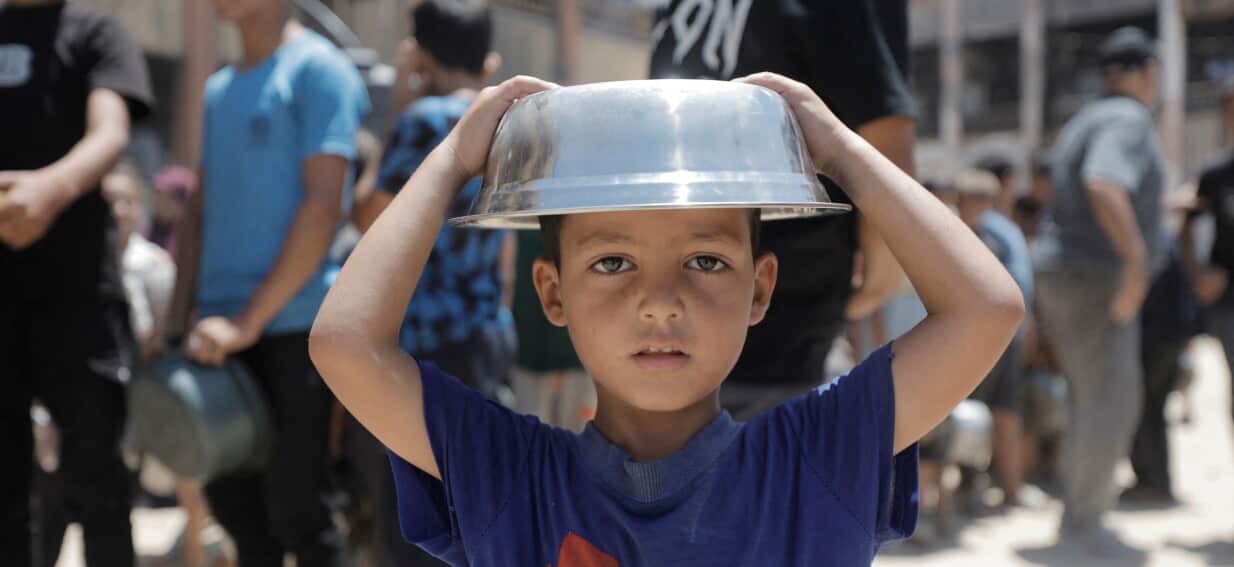
Consider what happens next: the secondary displacement. Thousands of people who survived the initial tremors suddenly find themselves homeless, sleeping in makeshift tents in public parks or crowded into underfunded government shelters. The psychological trauma of the event lingers long after the dust settles. Every minor aftershock sends a wave of panic through the crowd. No one wants to go back inside. The very concept of shelter has been corrupted.
There is a profound vulnerability in admitting that our built environment is fragile. We spend our lives building walls to keep the elements out, to create a sense of safety and permanence. Witnessing a solid concrete structure fold like paper is a deeply humbling experience. It forces us to confront the reality that we are guests on a restless planet.
The recovery process in Venezuela will not be measured in weeks or months. It will take years. Rebuilding requires more than just pouring new concrete; it requires a fundamental rethinking of how and where people live. It demands stricter enforcement of building codes, investment in resilient infrastructure, and a commitment to protecting the most vulnerable segments of the population.
But resources are scarce, and the political will to invest in long-term preventative measures is often overshadowed by immediate, daily crises.
As the weeks pass, the debris is slowly cleared away. The jagged holes in the cityscape are cordoned off with yellow tape, leaving empty lots where families once lived, worked, and gathered. These empty spaces are the true markers of the event. They are physical manifestations of loss, gaps in the teeth of the city.
The drone footage can show us the scale of the destruction from a safe distance, turning tragedy into a map of geometric anomalies. It can tell us what happened. But it cannot tell us who we are in the face of it.
On the ground, life carries on in the shadow of the ruin. A few weeks after her building partially collapsed, Elena returned to the site. She stood on the sidewalk, looking up at the exposed interior of what used to be her kitchen. A calendar still hung on the far wall, fluttering gently in the breeze. A single coffee mug sat undisturbed on a shelf that miraculously remained attached to the brickwork.
She did not cry. She simply watched the curtain blow through the missing wall, a small square of fabric moving against the backdrop of an indifferent sky.