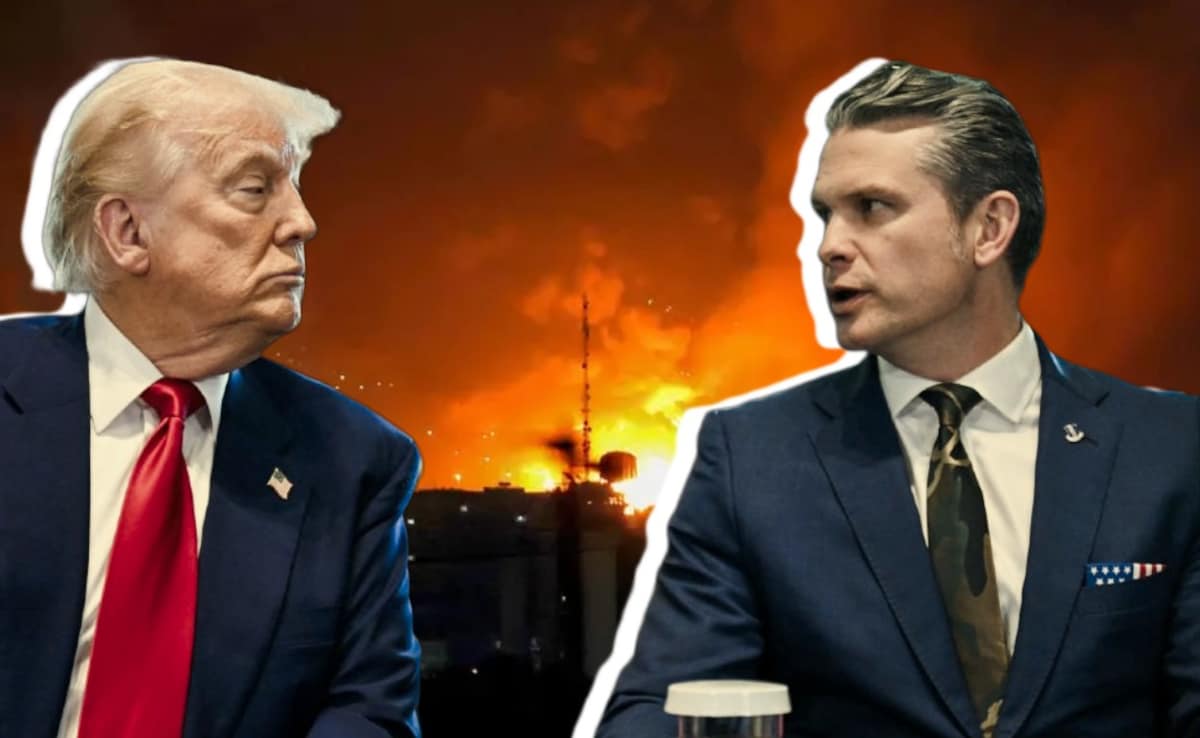
Donald Trump is currently staring at a 39% approval rating, a figure that represents more than just a seasonal dip in a second-term presidency. It is the sound of a foundation beginning to splinter. While the White House publicly dismisses these figures as the "rigged" artifacts of a hostile media, the internal reality is far more clinical and dangerous. For the first time since his return to power, the erosion isn't just coming from the predictable corners of the suburban left. It is bleeding out from the very core that once made him untouchable.
The narrative of the "bulletproof base" is being dismantled by the cold reality of the 2026 economic and foreign policy climate.
The War That Jarred the Isolationists
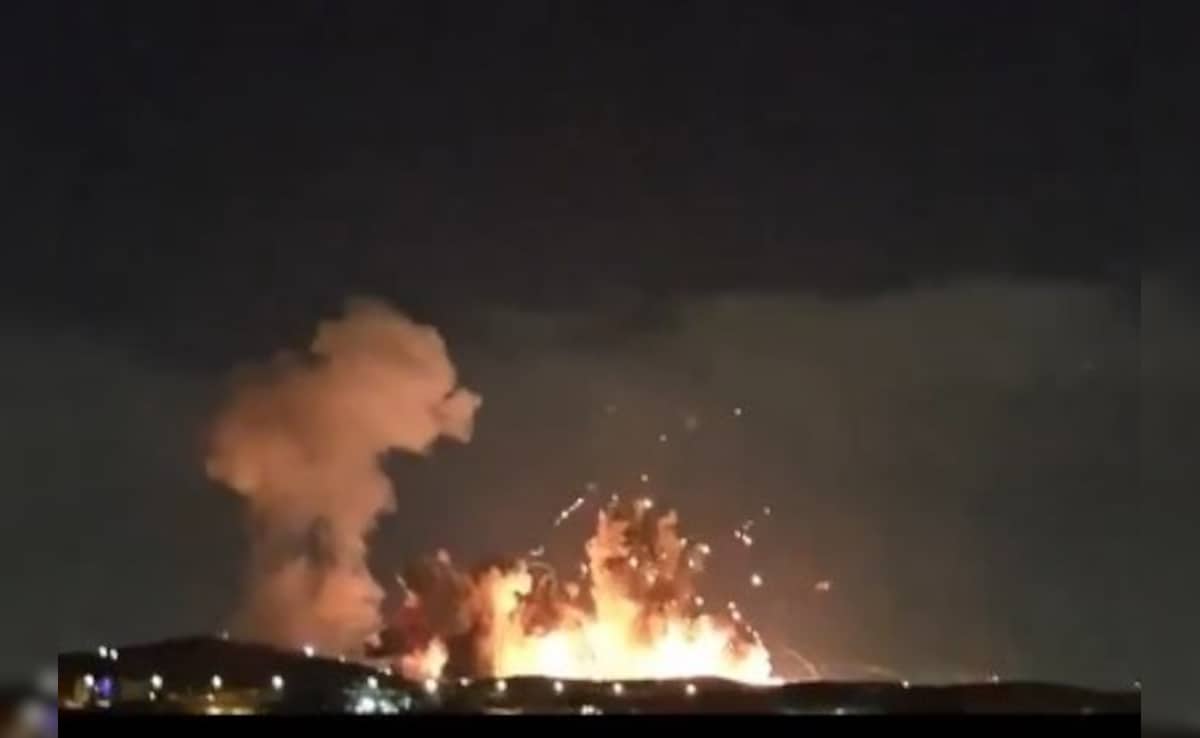
The most striking fissure has emerged from the administration’s aggressive pivot toward Iran and Venezuela. For a movement built on the promise of "ending forever wars," the sight of American warships and the talk of "Trump Corollaries" to the Monroe Doctrine has created a profound ideological whiplash.
Recent AP-NORC data reveals that 56% of Americans now believe the President has "gone too far" with military interventions. More critically, among Republicans, the once-unanimous "about right" consensus is beginning to sag. Roughly 20% of his own supporters now express open opposition to ground operations in Iran. This isn't a shift toward pacifism; it is a sense of betrayal. The "America First" loyalist did not sign up for a repeat of the 2003 neo-conservative playbook. When figures like Tucker Carlson describe these strikes as "disgusting," they are not just voicing an opinion; they are signaling to the base that the President has been captured by the very "Deep State" he promised to dismantle.
The Gas Pump Paradox
Economic loyalty has always been the primary adhesive of the Trump coalition, but that glue is losing its grip. In the early days of 2025, the promise of a "Big Beautiful" tax cut and the dismantling of the federal bureaucracy—which has already seen a 10% reduction in workforce—kept the base energized. However, the secondary effects of these policies, coupled with the war-induced volatility in energy markets, have brought a different kind of "energy" to the American household.
45% of U.S. adults are now "extremely" or "very" concerned about the price of gasoline. This is a 15-point jump from the post-election honeymoon period. For the working-class voter in Pennsylvania or Michigan, the ideological victory of firing federal employees in D.C. fades quickly when it costs $90 to fill up a truck. The administration’s reliance on tariffs has also started to bite. Once seen as a weapon against foreign adversaries, these trade barriers are increasingly viewed by small business owners within the GOP as a self-inflicted tax.
The Ethics Erosion
There is a quieter, perhaps more permanent shift happening in the way Republican-leaning independents view the President’s character. At the start of the second term, a 55% majority of Republicans felt the President would act ethically. That number has now slid to 42%.
This isn't necessarily a sudden moral awakening. Instead, it is a fatigue with the "chaos" as a governing style. In a first term, chaos is an outsider’s tool to break a stagnant system. In a second term, when you own the system, chaos looks like incompetence. The "petulant child" comparison, once the exclusive domain of the Resistance, is now surfacing in focus groups with retired Republican educators in Florida. They see a President who is more interested in legacy-building through military force than in the "boring" work of managing a government that currently faces a $38 trillion debt.
The Midterm Shadow
The timing of this slump could not be worse for the Republican Party. With the 2026 midterms approaching, the President is no longer the asset he was in 2024. In the previous election, he rode a wave of anti-establishment sentiment and benefited from a lukewarm jobs market under his predecessor. Now, he is the establishment.
Down-ballot candidates are already feeling the chill. Internal memos suggest the White House is quietly advising candidates to move away from "mass deportation" rhetoric in swing districts, recognizing that the policy is becoming a political liability rather than a rallying cry. If the President cannot stabilize his numbers above the 40% "danger zone," the GOP risks a total loss of leverage in Congress, turning the final two years of his term into a lame-duck session defined by investigations and legislative gridlock.
The administration’s survival depends on whether they can pivot back to the kitchen-table issues that won them the 2024 election. If they continue to spend political capital on foreign adventures and ideological purges while gas prices climb, the fortress won't just have cracks—it will be empty.
Would you like me to analyze the specific demographic shifts among younger, non-white voters who supported Trump in 2024 but are now moving away?