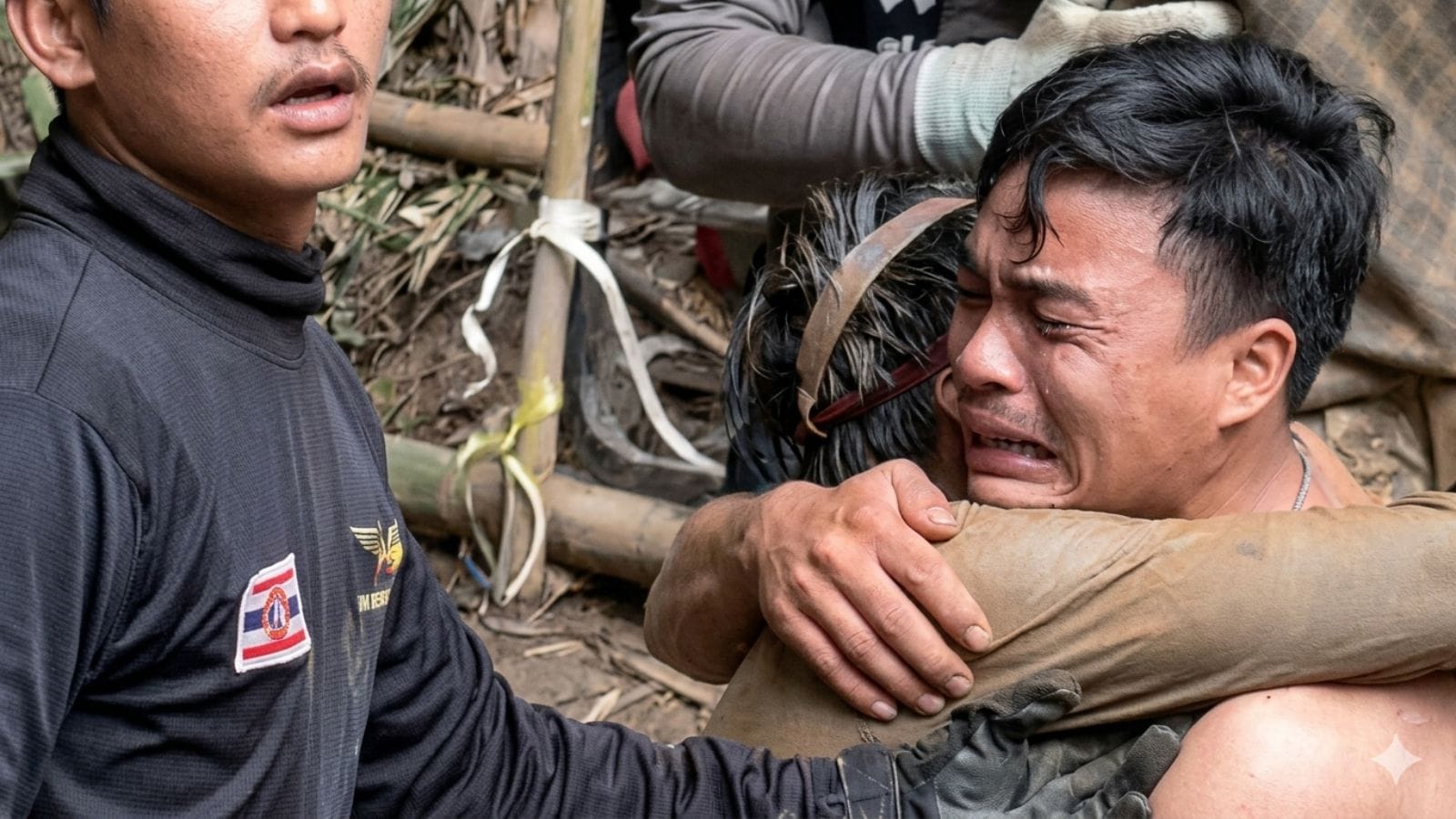
The media circus has arrived in Laos, and with it, the standard, copy-paste narrative of heroic rescue operations. Four extracted. Two missing. A ticking clock. The world watches, gripped by the visceral drama of human survival against nature.
But the mainstream coverage is missing the point. By focusing entirely on the breathless, minute-by-minute updates of the extraction, the public misses the systemic failure that makes these catastrophes inevitable. We treat cave rescues like unpredictable acts of God. They aren't. They are entirely predictable failures of infrastructure, tourism regulation, and risk management.
Worse, the global obsession with high-stakes reactive rescues actively drains resources away from the boring, unsexy preventative measures that actually save lives at scale. I have spent fifteen years managing remote logistics and crisis response in Southeast Asia. I have watched governments and NGOs throw millions of dollars at high-profile recovery efforts while the baseline communication systems and local geological mapping projects a mile away rot from underfunding.
We need to stop romanticizing the rescue and start auditing the system.
The Illusion of the Unforeseen Disaster
The prevailing narrative implies that a sudden flash flood trapped these six individuals in a subterranean labyrinth through sheer bad luck. This is a comforting lie. It removes accountability from local tourism operators and regional authorities.
Caves do not flood by magic. They flood because of predictable hydrologic cycles, local deforestation that ruins soil water retention, and a blatant disregard for seasonal weather patterns. In tropical environments, monsoon transitions are well-documented. Yet, every single year, untrained civilians are permitted to wander into high-risk karst formations without basic telemetry equipment, localized weather alerts, or guide mandates.
The Hard Reality: A cave rescue is not a triumph of human spirit. It is a loud, expensive admission that your preventative logistics have completely collapsed.
When we treat these events as anomalies, we validate the lazy operational standards of the adventure tourism sector. If a commercial aviation company operated with the same laissez-faire attitude toward environmental data that cave-guiding outfits use, they would be grounded by regulators within an hour.
The Asymmetry of Rescue Economics
Let us dismantle the financial and operational reality of these operations. The public sees brave divers and specialized gear. What they do not see is the staggering misallocation of capital.
A single deep-cave extraction utilizing international specialists, specialized gas mixtures like Heliox, and high-capacity hydraulic pumping systems costs hundreds of thousands of dollars. Much of this is subsidized by taxpayers or diverted from regional emergency funds.
| Intervention Type | Cost Efficiency | Long-Term Population Impact |
|---|---|---|
| Reactive Cave Rescue | Abysmal ($100k+ per incident) | Zero (Saves individuals, leaves hazard intact) |
| Geofencing & Physical Barriers | High ($5k one-time cost) | High (Prevents hundreds of unauthorized entries) |
| Hydrological Monitoring Stations | Exceptional ($15k per basin) | Massive (Provides early warnings for entire villages) |
When you pour capital into the apex of the crisis—the rescue—you are buying a temporary PR victory. You are not fixing the vulnerability. If that same capital were deployed into installing basic remote sensor networks, automated physical gates during monsoon seasons, and mandatory satellite transponders for anyone breaking the surface of a protected cave system, the survival rate would be 100% because no one would be in the cave to begin with.
Dismantling the Myth of the "Expert Hobbyist"
Every time a cave rescue occurs, the media elevates cave diving hobbyists to the status of infallible demigods. While their technical skill in tight spaces is undeniable, relying on a decentralized network of international volunteers is a terrifyingly fragile strategy for global risk management.
Civil protection agencies routinely outsource their thinking to these ad-hoc groups because military and state services are rarely trained for extreme subterranean environments. This creates a dangerous precedent. It allows governments to escape the responsibility of building internal, professionalized rescue capacities.
Furthermore, the introduction of uncoordinated international actors frequently creates a chaotic command structure on the ground. I have seen multi-jurisdictional disasters where lack of standardized communication protocols between local military units and foreign civilian experts delayed operations by crucial hours. The friction is real, the egos are massive, and the victims pay the price for the lack of a unified, professional command framework.
The Dark Side of Compulsive Optimization
The counter-argument is obvious: We must save lives at any cost right now; we can worry about the system later.
This emotional appeal is precisely why the cycle repeats. By continuously bailng out high-risk behavior through heroic intervention, we create a classic moral hazard. Tourism boards keep marketing dangerous areas because they know that if things go sideways, the global community will bail them out. Tourists take outsized risks because they assume a specialized extraction team is always just a satellite call away.
Consider the mechanics of a cave rescue. You are forcing liters of highly pressurized air into unstable geological structures, shifting silt layers that have been balanced for millennia, and introducing massive electrical arrays into flooded chambers. The rescue operation itself frequently alters the cave morphology, making future collapses more likely. We are destabilizing environments to fix human errors.
Change the Question entirely
Stop asking: "How do we get the last two people out?"
Start asking: "Why did the local telemetry network fail to trigger a lock-out protocol on that cave entrance 48 hours before the rain started?"
If you want to survive the realities of modern adventure travel and infrastructure gaps in developing regions, you cannot rely on the cavalry riding in to save you. You must assume the cavalry is blind, underfunded, and three days away.
Build hard barriers. Enforce automated, sensor-driven bans on entry. Penalize operators who treat seasonal weather forecasts as casual suggestions rather than operational boundaries. Turn off the television cameras, stop cheering for the bare minimum of logistical recovery, and demand the boring infrastructure that keeps people above ground in the first place.
Pack your bags with personal locator beacons, or stay out of the karst. The system will not save you, and it shouldn't have to.