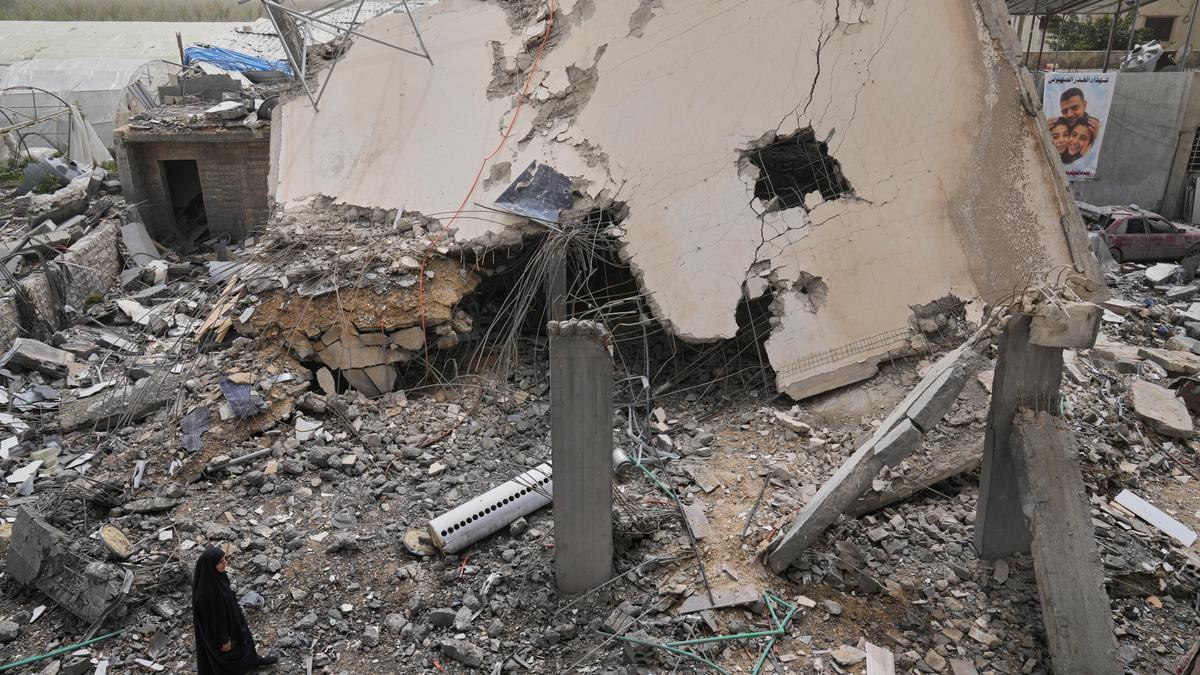
The coffee in the plastic cup has gone cold, but Zeina grips it like a life raft. She is sitting on a sidewalk in the Hamra district of Beirut, her entire life reduced to three overstuffed suitcases and a rolled-up foam mattress that smells of damp concrete. Behind her, the neon lights of a closed boutique flicker. In front of her, the city she thought she knew has turned into a maze of locked gates and averted eyes.
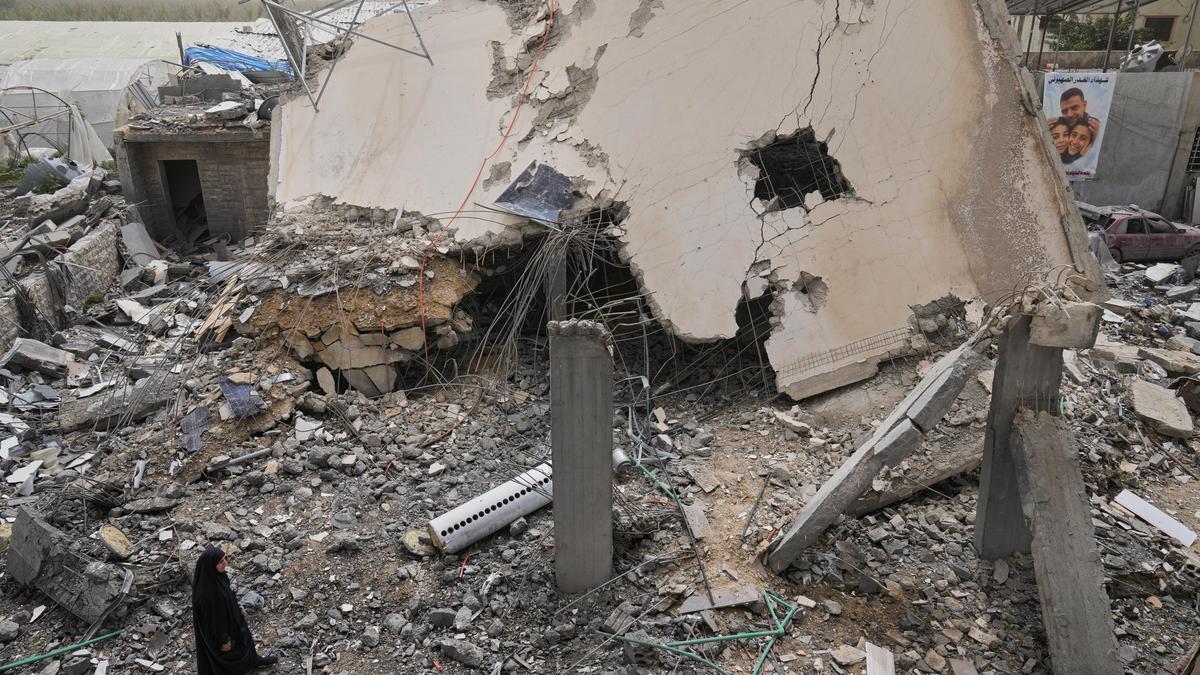
Zeina fled the south two days ago. She left when the sky turned the color of bruised plums and the windows of her kitchen shattered from a pressure wave she never heard coming. She is a mother, a former schoolteacher, and a Lebanese citizen. But in the shifting, jagged sociology of a country under fire, she has become something else: a liability.
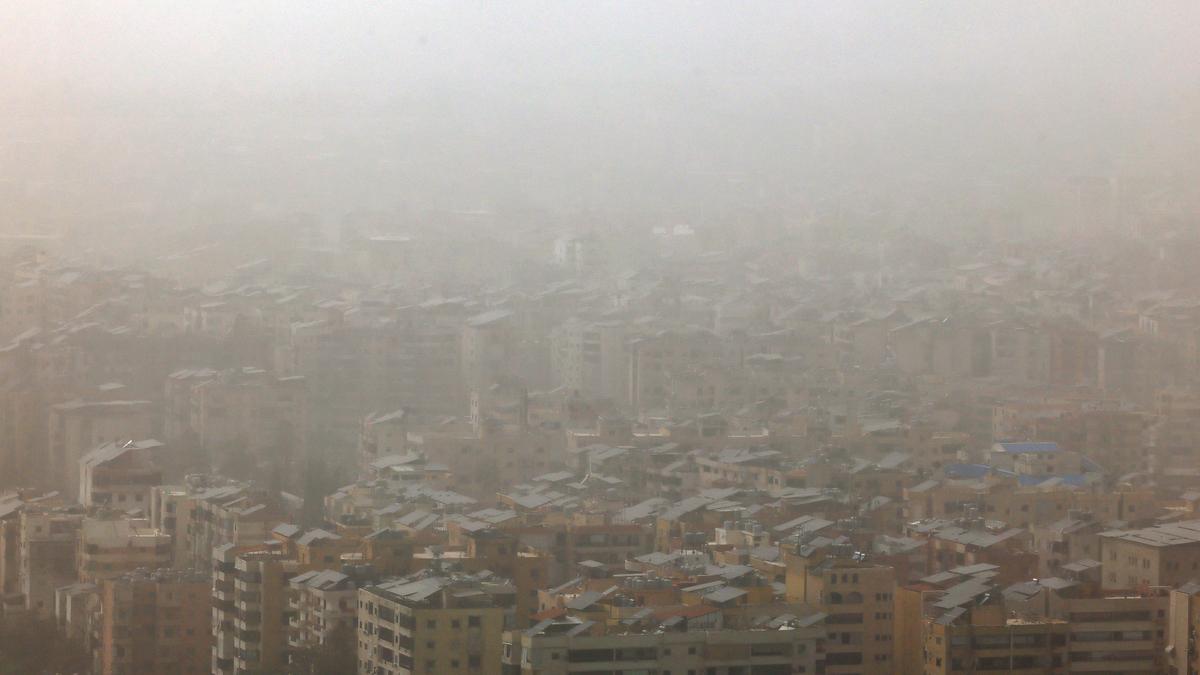
The math of displacement is brutal. When the bombs fall on the south and the Bekaa Valley, a million people move at once. They flow toward the center, toward the mountains, toward the north. They are looking for safety, yes, but they are also looking for a roof. In Lebanon, a roof is never just a roof. It is a political statement. It is a demographic marker. Right now, for many, it is a source of visceral, trembling fear.
The Geography of Suspicion
Lebanon is a patchwork quilt held together by rusted staples. Every neighborhood has an identity, a history, and a memory of the civil war that officially ended decades ago but still breathes down the neck of the present. When displaced Shia families—the primary targets of the current aerial campaign—stream into Christian, Druze, or Sunni neighborhoods, the reception is a volatile mix of genuine empathy and sharpening hostility.
Consider the "WhatsApp defense." In many apartment blocks in East Beirut or the mountain villages of Chouf, residents’ group chats are vibrating with a new kind of panic. It isn't just the fear of the bombs following the refugees. It is the fear of the refugees themselves.
"We want to help," says a shopkeeper named Elias, leaning against his storefront in a predominantly Christian quarter. He doesn't look like a villain. He looks like a man who hasn't slept. "But if I let a family from the south rent the empty flat upstairs, do I know who they are? Do I know if one of them is a target? If the building gets hit because of them, my children die too. Is that a price I should pay for being a good neighbor?"
This is the invisible stake. The war has turned every civilian apartment into a potential front line. When Israel targets Hezbollah infrastructure or personnel, the precision—or lack thereof—means that any building housing a displaced family is suddenly viewed by neighbors as a ticking clock. The result is a wave of evictions that are technically illegal but socially sanctioned by the neighborhood's collective instinct for survival.
The Price of a Key
The market has reacted to this fear with predictable cruelty. In the safer "neutral" zones, rent for a modest two-bedroom apartment has tripled in a week. Landlords who once struggled to find tenants now demand six months of rent upfront, in fresh US dollars, accompanied by a background check that would rival a security clearance.
But for many, even the money isn't enough. There are reports of "closed-door" policies where entire districts have quietly agreed not to host anyone from the south. It is a soft form of internal displacement within the displacement. You are in your own country, speaking your own language, yet you are treated like a ghost at the feast.
Imagine being Zeina. You have the money for a week’s stay at a budget hotel. You walk into the lobby, children in tow, and the receptionist looks at your ID. He sees your place of birth. He sees the scarf on your head. He tells you there are no rooms. You can see the keys hanging on the rack behind him.
The rejection isn't just about logistics. It’s a message. It says: Your presence is a danger to my existence.
The Ghost of 1975
To understand why this hurts so much, you have to look at the scars. Lebanon’s history is a cycle of displacement. In 2006, when the last major war broke out, there was a surge of national solidarity. People opened their schools, their homes, and their hearts.
But 2026 is not 2006.
The country has been hollowed out by a systemic financial collapse that wiped out the life savings of the middle class. The port explosion of 2020 left a permanent hole in the city’s psyche. The state is a skeleton. Trust is a luxury no one can afford.
When people are hungry and broke, their circle of empathy shrinks. It pulls tight around their immediate family and their immediate sect. The arrival of the displaced isn't seen as a humanitarian duty; it's seen as the final straw that might break the floorboards of an already crumbling house.
The tension is visible on the streets. In some areas, local vigilante groups have set up informal checkpoints. They "monitor" the movement of strangers. They ask why you are here, who you are visiting, and when you plan to leave. It is a slow-motion fracturing of the national identity. If a citizen cannot find refuge in their own capital, does the nation still exist, or is it just a collection of warring postcodes?
The Burden of the Unseen
There is a psychological toll to being the "unwanted guest." For the children sitting on those mattresses in Hamra, the lesson they are learning is that their neighbors fear them more than they pity them. That is a trauma that doesn't wash off when the ceasefire is eventually signed.
In the Bekaa Valley, the strikes are frequent and loud. The families fleeing from there bring the sound of the war with them. They bring the dust of their homes in their hair. When they arrive in a quiet mountain village, the contrast is jarring. The local residents are watching the news on flat-screen TVs while the people on the news are literally standing on their doorstep.
"We feel like we are being watched through a microscope," says Hasan, who managed to find a garage to stay in near Jounieh. He pays four hundred dollars a month for a space with no windows. "If I talk too loud on my phone, the neighbors look at me. If I bring a friend over, they call the police. I am a mechanic. I am not a fighter. But here, I am just a target with a beard."
The Infrastructure of Exclusion
This isn't just about individual prejudice. It’s about the failure of a system. When a government cannot provide shelters, the burden falls on the private sector. And the private sector is driven by fear and profit.
Schools have been turned into collective centers, but they are overflowing. Classrooms designed for thirty students are now housing fifty people. There is one bathroom for every hundred. Skin diseases are spreading. Tensions over food distribution and cleaning duties simmer until they boil over into fistfights.
Outside the schools, the "informal" displacement continues. People are living in half-finished construction sites, under bridges, and in cars. Every day they stay there, the resentment of the local community grows. They see the trash accumulating. They see the sidewalk blocked. They see the instability of the south leaking into their "safe" zones.
The irony is that this hostility serves the very chaos people are trying to avoid. A population that feels rejected by its own countrymen is a population that turns inward, toward radicalization or despair. By bolting the doors, the "safe" neighborhoods are not just keeping out the war; they are ensuring the seeds of the next conflict are planted in the very soil of the displacement.
The Long Walk Home
The sun begins to set over the Mediterranean, casting a golden light that masks the grime of the Hamra sidewalk. Zeina’s youngest son has fallen asleep with his head on a bundle of laundry. She is still waiting for a phone call from a cousin who heard about a room in a village three hours away.
She doesn't know if the room exists. She doesn't know if the landlord will change his mind when he hears her accent. She just knows she cannot stay on this sidewalk tonight. The police have already told her to move along twice.
The tragedy of Lebanon right now isn't just the missiles. It is the silence that follows a knock on a door. It is the sound of a deadbolt sliding into place from the inside.
As the night air cools, a woman from the apartment building above walks out. She doesn't look at Zeina. She walks to the corner, drops a bag of trash in the bin, and turns back. But as she passes the suitcases, she pauses. She reaches into her pocket, pulls out a small bag of za'atar manoushe, and places it on top of the luggage.
She doesn't say a word. She doesn't offer a room. She doesn't ask for a name. She just turns and disappears behind the heavy iron gate of her building, the lock clicking shut with a finality that echoes down the empty street.
The bread is warm. The gate is cold. Lebanon survives in the space between the two.