The media is swooning over geopolitical PR masquerading as emergency healthcare. Headline after headline applauds India for dispatching its first tranche of urgent medical supplies and protective kits to the Africa Centres for Disease Control and Prevention. Following the World Health Organization declaring the Bundibugyo strain Ebola outbreak in the Democratic Republic of the Congo and Uganda a Public Health Emergency of International Concern, the cargo planes took off right on cue. It is a predictable ritual of international diplomacy. A crisis breaks out, a manufacturing powerhouse ships tons of plastic suits and boxes of gloves, and the global community ticks the box for international solidarity.
It is a theater of performance that accomplishes almost nothing on the ground.
I have spent years analyzing global health supply chains during outbreaks. I have seen governments and NGOs burn through millions of dollars flying cargo across oceans, only for those pristine pallets of medical kits to sit rotting in tropical warehouses or bottlenecked at airports. Shipping cardboard boxes of personal protective equipment to an active Ebola zone without addressing the broken reality of local infrastructure is like air-dropping fire extinguishers into a forest fire without firefighters. It looks heroic on the evening news, but the fire keeps burning.
The lazy consensus dominating the current coverage is that a lack of supplies is the primary barrier to stopping this Bundibugyo strain. This assumption is fundamentally wrong. The Bundibugyo strain is a rare filovirus with a staggering mortality rate, and right now, there are no approved vaccines or targeted therapies available for it. When an outbreak hits regions complexified by active conflict, mass displacement, and dense mining populations, the bottleneck is never a shortage of imported latex gloves. The bottleneck is trust, logistics, and systemic capability.
The Illusion of the Material Supply Fix
When a country dispatches emergency aid packages, it operates on a flawed premise: that a health crisis is simply an inventory deficit. If we provide the gear, the local systems will deploy it, and the outbreak will collapse.
The mechanics of an Ebola response do not work this way. In the eastern provinces of the DRC and border regions of Uganda, the arrival of foreign protective equipment often exacerbates local tensions rather than soothing them. Recent field reports show that attacks on health facilities are actively intensifying. Tents managed by international medical aid organizations have been set on fire. Angry crowds are storming health centers to reclaim the bodies of deceased relatives.
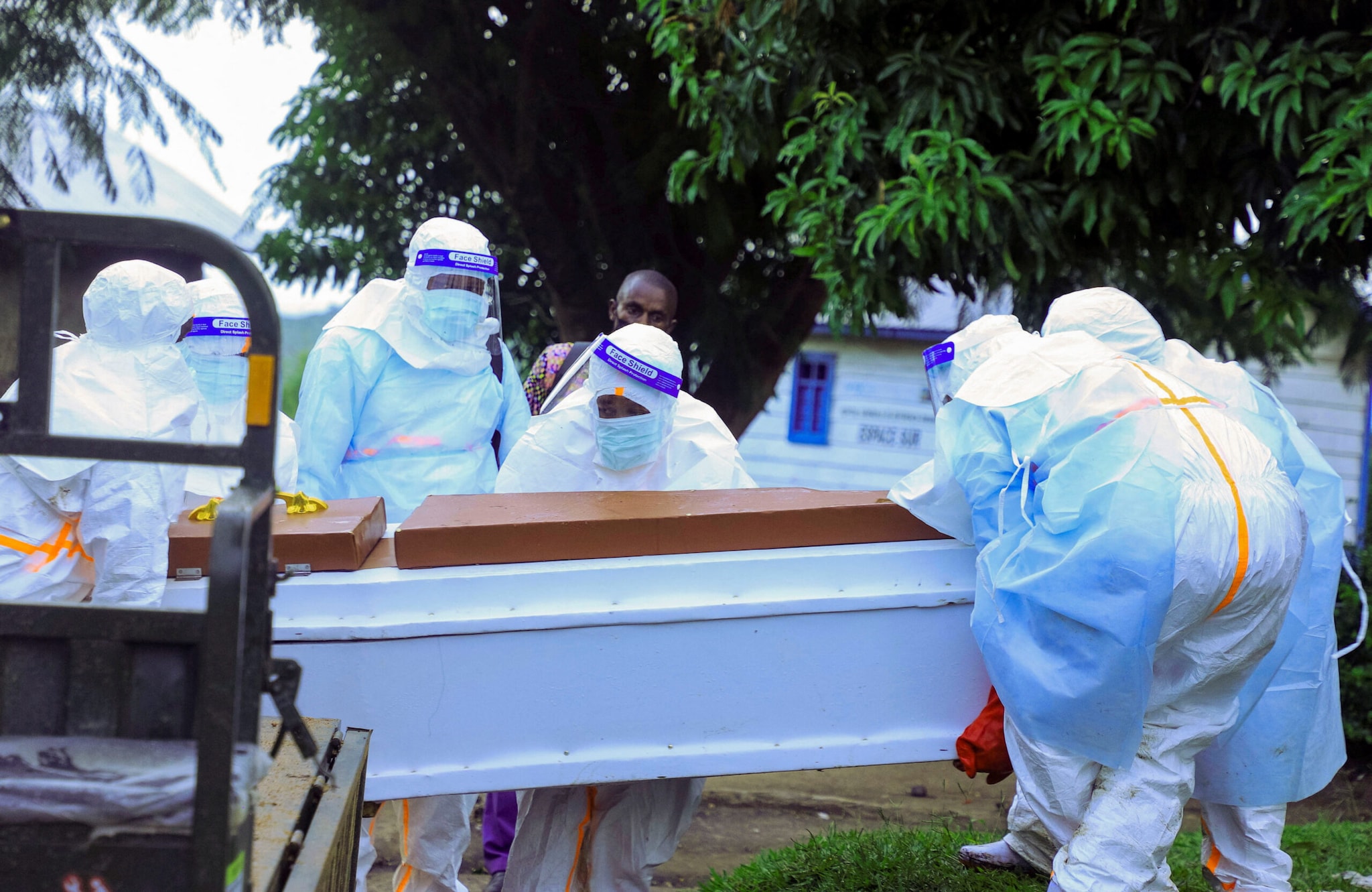
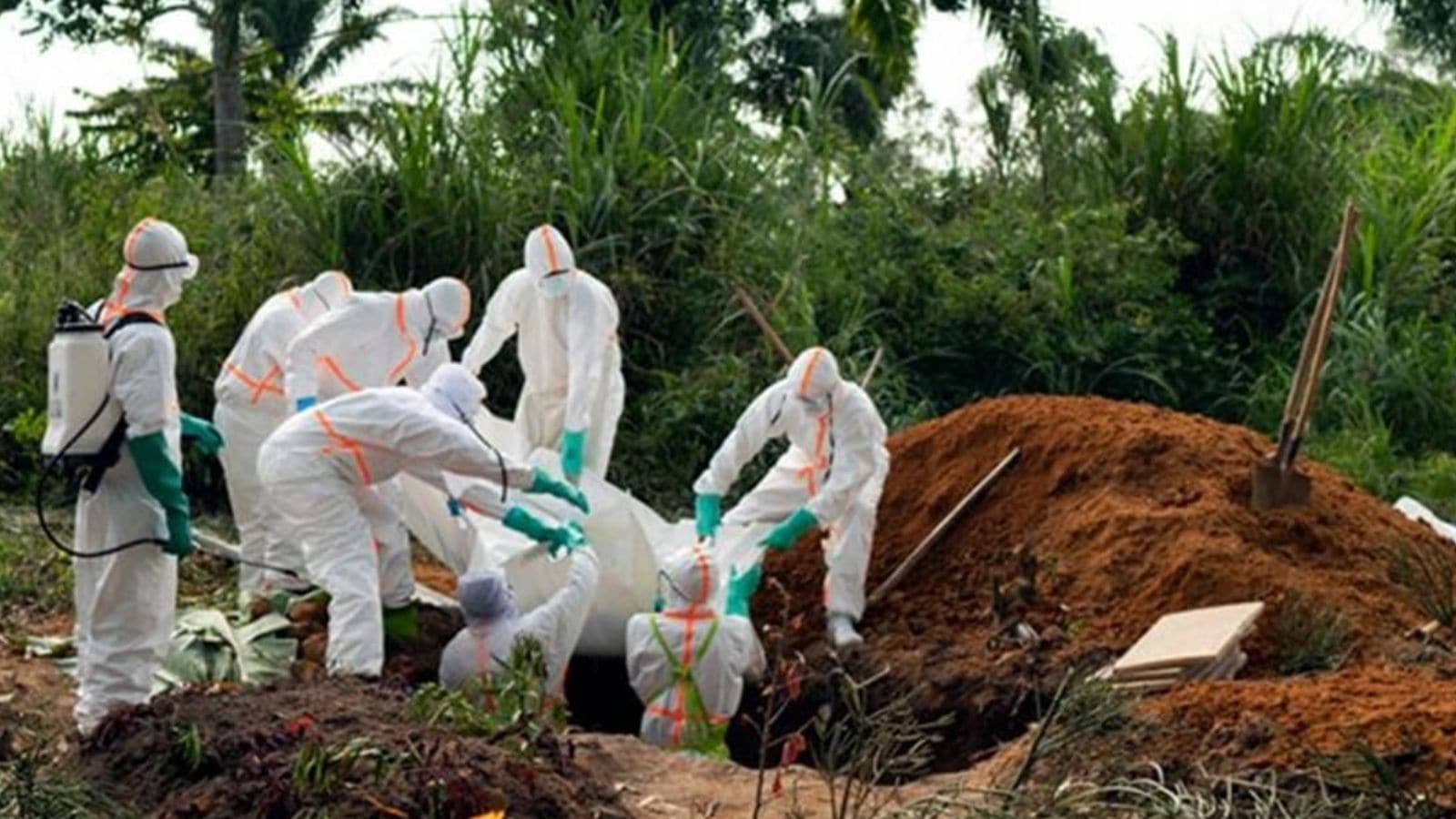
Why? Because medical protocols clash violently with deeply ingrained cultural burial traditions. When outside agencies arrive clad in anonymous, terrifying white biohazard suits to whisk bodies away, it builds an immediate wall of community resistance.
Flooding a region with more protective kits does not cure a lack of community trust. It provides more fuel for the fire. If local populations hide symptomatic individuals from tracing teams because they fear the intervention more than the disease, the volume of medical aid sitting at the capital's tarmac is irrelevant.
The True Cost of Drop-and-Dash Diplomacy
Let us look at the structural mechanics of supply chain management in a public health emergency. When a high-profile shipment arrives at an entry hub like Entebbe or Kinshasa, it triggers a cascade of logistical requirements that the host country must fund and execute.
- The Last-Mile Bottleneck: Moving pallets from a capital runway to a remote village in South Kivu or Western Uganda requires operational roads, refrigerated transport, fuel, and armed security through conflict zones. These assets are incredibly scarce.
- Administrative Paralysis: Influxes of uncoordinated international aid overwhelm local customs officials and health ministries, diverting critical staff away from field operations just to log and sort incoming cargo.
- The Resource Drain: Every dollar spent managing the distribution of unrequested or poorly targeted physical goods is a dollar taken away from hiring local community communicators, funding local epidemiologists, and paying wages to local healthcare staff who are already striking over unpaid salaries.
We must also confront the hard reality of the Bundibugyo strain itself. Unlike the Zaire strain, which benefited from the deployment of Ervebo and investigational monoclonal antibodies during prior outbreaks, this specific pathogen lacks a validated pharmaceutical countermeasure. The clinical response relies almost entirely on aggressive supportive care: oral and intravenous hydration, electrolyte management, and treating secondary infections.
What does supportive care require? It requires stable electrical grids for clinics, clean running water, trained nurses who speak the local language, and decentralized diagnostic laboratories that can return a PCR test result in hours rather than days. Shipping crates of generic medical supplies does not build a water purification system or train a nurse. It is an easy out for foreign nations looking to claim they are doing something while ignoring the structural collapse of the host country's health infrastructure.
The Dark Side of Outsourced Public Health
There is an obvious counter-argument to this perspective. Proponents of rapid material aid argue that some supplies are always better than none, and that protecting frontline workers is the absolute prerequisite for any clinical response. They point out that without basic equipment, doctors and nurses will refuse to work, or worse, become vectors for the virus themselves.
This is true in a vacuum, but global health does not exist in a vacuum. The downside to this relentless focus on material donation is that it creates a cycle of dependency and systemic fragility. By stepping in with paternalistic, emergency shipments every time a notification pops up on the World Health Organization’s dashboard, international donors allow local health infrastructure to remain permanently broken. It provides a convenient excuse for local governments to underfund their own biosafety-risk group 4 laboratories and border screening protocols, knowing that a foreign power will bail them out with a highly publicized cargo flight when things turn catastrophic.
Worse, this model treats African public health agencies as passive recipients rather than equal partners. The Africa CDC has spent years trying to build regional self-reliance, aiming to manufacture therapeutics and diagnostic tools on the continent. Dumping finished foreign products under the guise of emergency charity undermines these local manufacturing initiatives and keeps the continent dependent on global charity chains.
Dismantling the Pre-Incident Logic
The global health apparatus constantly asks the wrong questions. After a global emergency declaration, the immediate focus is always on reactive deployment: How fast can we get supplies there? How much money can we pledge to emergency funds?
The brutal reality is that by the time you are organizing emergency flights, you have already lost the containment battle. The questions we should be asking look entirely different:
- Why did the surveillance systems fail to catch the initial spillover event before it expanded across three provinces?
- Why are clinical microbiology laboratories in these high-risk zones still lacking the routine resources to identify rare pathogens during standard patient care, as noted by recent Indian Council of Medical Research audits of global settings?
- How do we reform international travel restrictions and advisories so they do not completely shatter the local economies of bordering states like South Sudan, which in turn diminishes their fiscal capacity to fund border health screenings?
If we want to stop the Bundibugyo strain from spilling over across international borders and threatening global hubs, the playbook must change completely.
Stop sending boxes of generic plastic gowns. Instead, fund the direct, unconditional salaries of thousands of local community health workers who can build relationships with village elders long before a virus jumps from a bat to a human. Shift capital away from high-profile emergency airlifts and toward the hard, unglamorous work of building paved roads, installing satellite-linked diagnostic machines in rural clinics, and establishing regional vaccine manufacturing plants within Africa.
Until we stop treating global health emergencies as opportunities for political grandstanding and logistics photo-ops, we will remain trapped in this endless loop of panic and neglect. The cargo planes will return home, the ministers will issue their press releases, and the virus will keep finding its next victim in the dark.