Standing in a damp Wiltshire field at 4:45 AM surrounded by tens of thousands of strangers isn't everyone's idea of a good time. It's cold. Your feet are probably soaked from the dew. The air smells like a mix of woodsmoke, damp wool, and cheap coffee. Yet, every June, English Heritage opens the gates of Stonehenge to the public for the summer solstice, and crowds descend on the ancient monument.
Most people think visiting Stonehenge for the longest day of the year is a peaceful, spiritual awakening. It can be. But it's also loud, messy, and logistically challenging. If you show up expecting a quiet, meditative sunrise, you're going to be disappointed. To truly appreciate the summer solstice at Stonehenge, you need to understand what actually happens, why this prehistoric circle aligns with the sun, and how to survive the night without losing your mind. Meanwhile, you can find related events here: Why Spain Surviving Summer Heat Requires Throwing Out Your Tourist Itinerary.
The Reality of the Stonehenge Summer Solstice
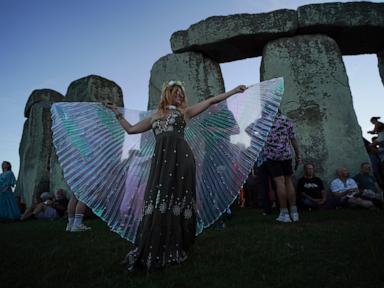
Let's clear up a massive misconception right away. You aren't going to have a private, mystical moment with the stones. During the annual open access, around 10,000 to 30,000 people pack into the monument field. For one night, the usual fences come down. You can actually walk right up to the massive sarsen stones and touch the prehistoric rock.
That proximity is the real draw. On any normal day, tourists are kept at a distance on a designated pathway. During the solstice, the site becomes a temporary festival ground. Druids, pagans, tourists, and locals stay up all night waiting for the dawn. To see the complete picture, check out the detailed analysis by Condé Nast Traveler.
The crowd stays awake through the darkest hours of the shortest night. Drummers set a continuous, thumping rhythm that echoes across Salisbury Plain. People dance, chant, and share blankets. It is a bizarre, beautiful social experiment. English Heritage manages the event, but they don't curate the vibe. The people do.
The Engineering Behind the Sunrise Alignment
Why Stonehenge? The builders of this monument weren't just moving heavy rocks for fun. They were master astronomers. Around 2,500 BC, the Neolithic people arranged these stones to frame the solar calendar.
If you stand in the center of the monument on the summer solstice and look northeast, the sun rises directly over a specific rock called the Heel Stone. The alignment is precise. It marks the exact point where the sun reaches its highest northern point in the sky.
Archaeologists from organizations like the Society of Antiquaries of London have debated the primary purpose of this alignment for decades. Did they build it to celebrate life and summer abundance? Or was it actually a monument built for the winter solstice, looking across the circle to the setting sun?
Recent archaeological digs suggest the winter solstice may have been more important to the builders. That was the time when animals were slaughtered and wine was ready. But today, the summer event captures the global imagination.
The engineering is staggering. The sarsen stones were hauled from the Marlborough Downs, over twenty miles away. Each stone weighs up to thirty tons. The smaller bluestones came all the way from the Preseli Hills in Wales. When you stand next to them in the grey twilight, the sheer human effort required to build this calendar hits you hard.
How to Handle the Logistics Like a Pro
Going to the solstice requires serious preparation. This isn't a casual morning stroll. The event takes place on a vast, exposed chalk grassland. There's no shelter from the elements.
First, consider the travel. Most people arrive via Salisbury. The Salisbury Reds bus company runs a special solstice service from the train station straight to the visitor center starting the evening before. If you drive, prepare for traffic jams on the A303. The parking fields open in the evening, and they fill up fast.
Weather in England is predictably unpredictable. Even in June, nighttime temperatures on the plain plummet. It gets freezing. Wear layers. Waterproof boots are non-negotiable because the grass gets saturated with dew long before sunrise.
Pack light. English Heritage enforces strict security checks at the gate. Large rucksacks, sleeping bags, and tents are banned inside the monument field. You can bring small bags with food and water, but alcohol is strictly prohibited. Security guards will confiscate your beers at the gate. Don't try to smuggle it in. It ruins the vibe and slows down the entry queues for everyone else.
What Happens When the Sun Finally Rises
The atmosphere shifts dramatically around 4:30 AM. The sky changes from midnight blue to a pale, bruised purple. The drumming reaches a frantic crescendo. Thousands of eyes fixate on the horizon behind the Heel Stone.
When the first glint of sunlight breaks over the hill, a collective roar goes up. People cheer. Shofars blow. Druids raise their arms.
Honestly, sometimes the clouds ruin the view. The British weather loves to provide a gray blanket of overcast skies on June 21st. But here is the secret: the sunrise itself is only half the experience. The collective energy of thousands of people welcoming the light together is what you actually remember.
Once the sun is up, the energy dissipates quickly. Exhaustion sets in. The drums fade, and people begin the long, sleepy trudge back to the buses and car parks. By 8:00 AM, the monument field closes, and the clean-up crews move in to prepare the site for regular tourists.
Surviving the Solstice Without Regrets
If you want to make this trip, don't overthink it. Just accept the chaos.
- Check the official English Heritage updates before you set off to confirm gate opening times and parking fees.
- Bring a power bank. Your phone battery will drain quickly in the cold night air while you record the drumming circles.
- Sleep during the day on June 20th. Staying awake from 8:00 PM until 8:00 AM the next day in an open field takes a physical toll.
- Respect the stones. They have stood for thousands of years. Don't climb on them, don't scratch them, and take your rubbish home with you.
Book your train tickets to Salisbury early. Organize your warm clothing a week in advance. When the night arrives, embrace the cold, find a spot near the center of the circle, and watch the ancient world come alive.