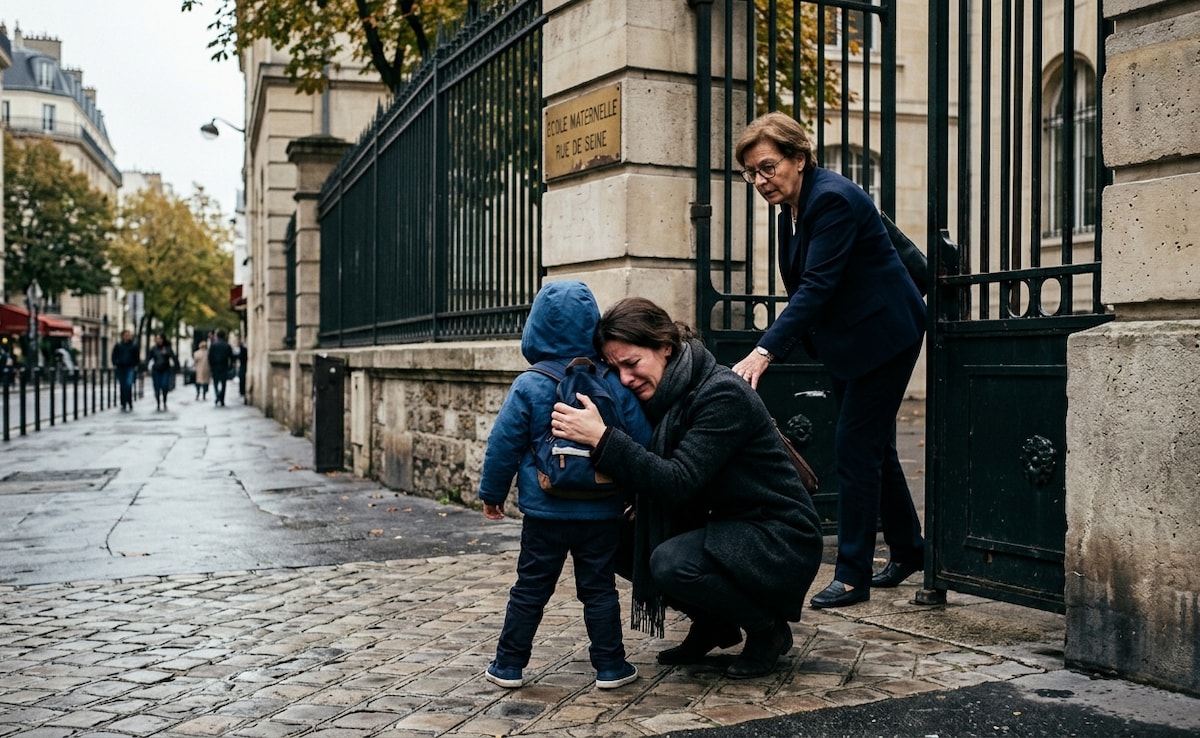
Parents send their kids to school expecting a sanctuary. In France, that baseline expectation has shattered.
A massive systemic crisis is unfolding across the French public education system. What started as isolated complaints from panicked parents has exploded into a sweeping judicial nightmare. Paris prosecutor Laure Beccuau confirmed that formal criminal investigations are targeting 84 preschools, roughly 20 primary schools, and 10 daycare centers across the capital.
We aren't talking about minor administrative oversights. The allegations detail physical violence, starvation tactics, extreme verbal abuse, and the rape of children as young as three.
If you think this is a localized Paris problem, you're missing the bigger picture. This crisis exposes deep structural vulnerabilities in how European public institutions vet, hire, and monitor the people left alone with society's most vulnerable citizens.
The Broken Layer of School Supervision
To understand how this happened, you have to look at the administrative divide in French state schools.
Teachers in France are highly vetted civil servants employed directly by the national government. But they aren't the ones supervising children during lunch breaks, nap times, or after-school care. That responsibility falls to school monitors and assistants, known locally as animateurs or ATSEM.
Local municipalities hire these non-teaching staff members, not the state. The difference in oversight is stark.
- Low wages: These positions are notoriously poorly paid.
- High turnover: Staff cycle in and out constantly.
- Weak vetting: Background checks are often superficial or entirely ignored due to severe staffing shortages.
Abusive individuals found a blind spot. Because monitors handle transitional times like bathroom breaks and nap times, they operate with a terrifying degree of privacy.
When Warnings Go Unheeded
The legal cases currently moving through French courts show that this wasn't an overnight failure. It's a failure of response.
Consider the case of a 36-year-old school assistant whose trial opened publicly in Paris. He faces charges of sexually assaulting nine children aged between three and five during lunch breaks and bathroom supervision. An initial warning raised by a mother months earlier was ignored by school administrators. He kept working.
Even worse is the structural recycling of bad staff. Lawyer Louis Cailliez, representing affected families, brought forward a case where a three-year-old boy was allegedly raped by a monitor. That exact same monitor had already been transferred from a previous school following complaints of physical violence. Instead of being fired and prosecuted, he was simply moved to a new building with a new set of targets.
This administrative recycling is what parents mean when they say the system protects itself before it protects children.
The Influence of Gisèle Pelicot
For decades, trials involving minors in France have been held strictly behind closed doors. The public rarely hears the details, which lets institutions manage the fallout quietly.
That is changing right now.
Inspired by Gisèle Pelicot, the French woman who famously insisted her own high-profile drug-and-rape trial be made entirely public, parents are refusing to hide. They are demanding open courtrooms. Their collective motto, echoing Pelicot, is that shame must change sides.
Groups like MeToo Ecole (MeToo School) and the SOS Périscolaire collective are leading the charge outside the courthouses. They argue that secrecy only breeds complicity. By forcing the details into the open, they want a national wake-up call that forces the government to overhaul child protection laws.
The Political Fallout and What Happens Next
The political pressure has already triggered immediate structural damage control. In Paris, the newly elected mayor, Emmanuel Grégoire, has made the crisis his central priority.
Grégoire has a deeply personal connection to the issue. Before his election, he publicly revealed that he was sexually abused as a child by a school monitor. His administration has suspended 78 school and after-school staff members, with 31 of those suspensions directly related to suspicions of sexual violence.
Paris has also committed 20 million euros to completely restructure its school supervision framework. The emergency funds will go toward better recruitment practices and stricter vetting procedures. A citizens' assembly has also been tasked with auditing the entire municipal hiring system, with its formal findings due to be released soon.
But money won't fix the immediate trauma. For families, the immediate focus is on basic operational transparency. Grassroots parents' groups are currently fighting for simple, immediate safety mandates that should have been in place years ago.
Every parent should demand these basic accountability measures from their local school districts:
- Mandatory Staff Transparency: School districts must provide parents with an updated registry, including names and photographs, of every non-teaching staff member working with their children.
- Independent Reporting Channels: Complaints about physical or verbal mistreatment must go directly to an independent oversight body, bypassing school principals who might be incentivized to bury local scandals.
- Zero-Tolerance Transfers: Any employee facing a credible investigation for physical misconduct must be suspended immediately, never quietly reassigned to a different facility.
The reality in 2026 is that school safety isn't just about security cameras or locked gates. It's about who is watching the children when the teachers leave the room.