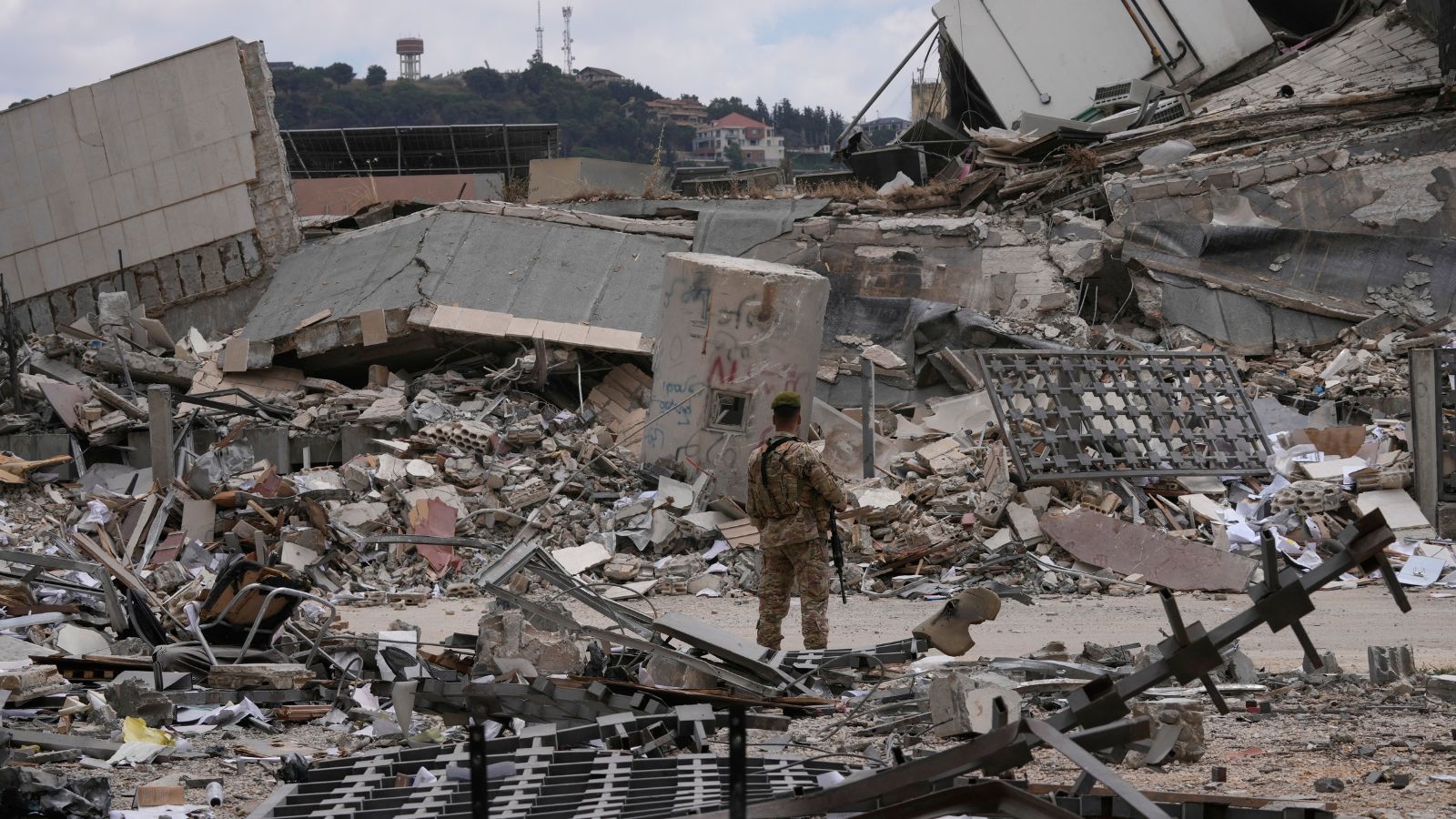
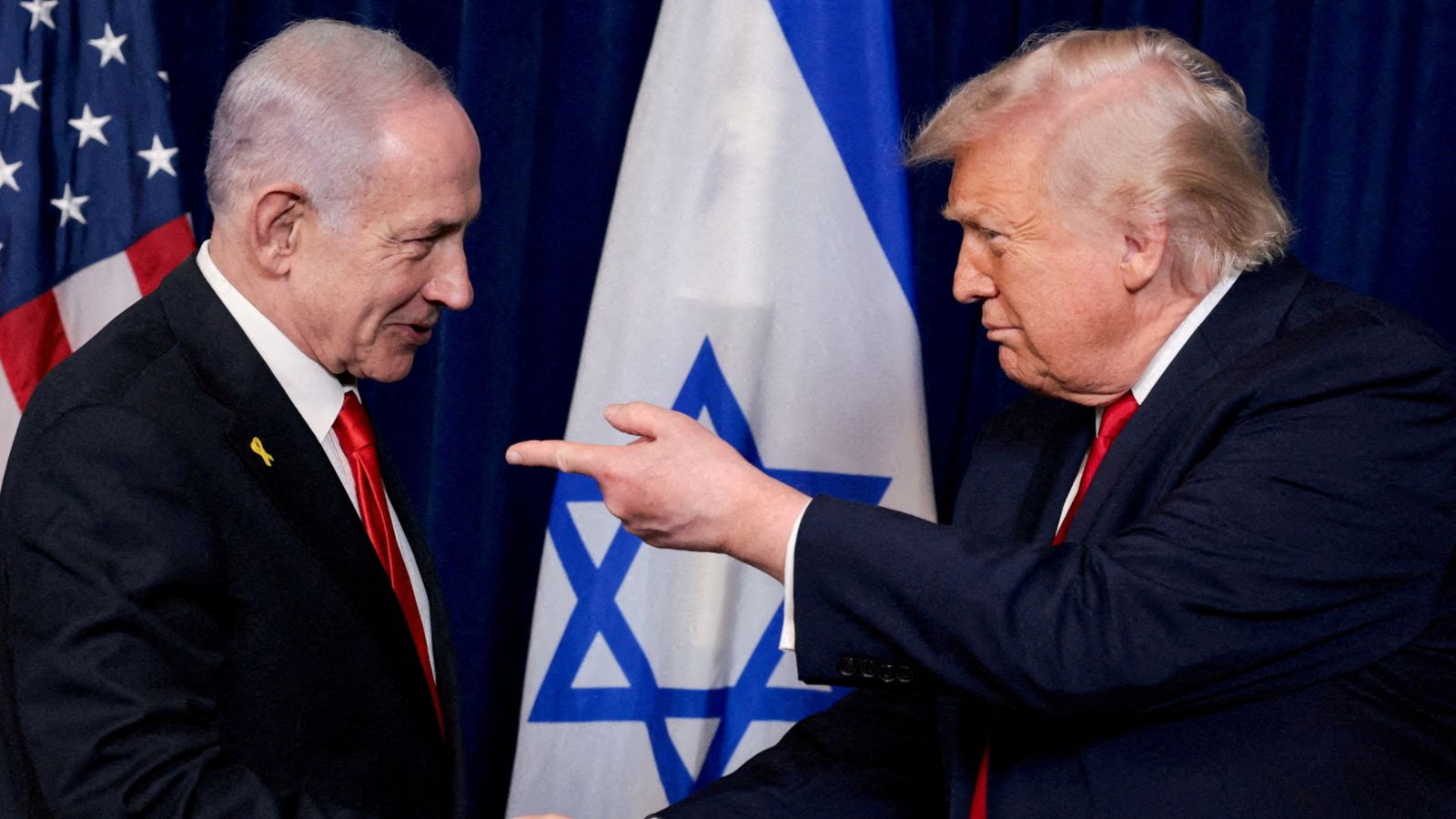
The diplomatic mission of US Secretary of State Marco Rubio to Abu Dhabi exposes a profound structural rift between short-term superpower conflict termination and long-term regional deterrence architectures. While the newly signed United States-Iran Memorandum of Understanding (MoU) successfully brings a halt to four months of intense kinetic operations, it introduces severe systemic vulnerabilities for the United Arab Emirates (UAE). The core friction lies in the divergence between Washington’s prioritization of macro-level de-escalation and Abu Dhabi’s requirement for localized, absolute security guarantees.
An analysis of this diplomatic pivot requires breaking down the strategic friction into three operational vectors: capital asymmetry, proxy escalation mechanisms, and maritime transit economics.
The Capital Asymmetry Vector
The primary point of economic and strategic contention is the proposed $300 billion reconstruction and investment fund earmarked for Iran. From an Emirati perspective, this capital injection creates an immediate balance-of-power distortion. Throughout the four-month conflict, the UAE sustained more than 2,800 missile and drone strikes, an offensive density that severely strained domestic air defense networks and triggered significant capital flight among the expatriate demographic that forms the backbone of its non-oil economy.
The mechanics of this capital asymmetry are straightforward:
- Unconditional Liquid Reinvestment: While the United States asserts that the $300 billion fund remains contingent on Iran transitioning from a revolutionary movement to a traditional nation-state, the historical fungibility of state funds suggests otherwise. Liquid relief immediately offsets domestic budgetary pressures within Tehran, freeing up capital to repair military production facilities, replenish ballistic missile stockpiles, and reinforce subterranean command nodes.
- Asymmetric Reconstruction Costs: The UAE must self-fund its infrastructural rehabilitation and implement aggressive fiscal incentives to attract departed multinational corporations back to Dubai and Abu Dhabi. Simultaneously, its primary regional adversary receives an international capital buffer, effectively subsidizing the economic recovery of the aggressor state while the victim bears the long-term costs of defense and market stabilization.
The Proxy Escalation Mechanism
A glaring omission in the immediate text of the Vance-negotiated Swiss MoU is a verifiable framework governing Iran's ballistic missile capabilities and its regional proxy network. Washington operates under the assumption that a generalized "termination of hostilities" implicitly covers proxy behavior. Conversely, military planners in Abu Dhabi view this as a dangerous policy blind spot.
The structural flaw in the US diplomatic logic rests on the definition of state attribution. Iran has spent decades refining a decentralized command-and-control architecture. Intelligence reports indicating the establishment of new, clandestine Iranian operational cells inside Iraq specifically tasked with targeting Kuwait and the UAE demonstrate that a cessation of formal, direct state-on-state strikes does not equate to a cessation of asymmetric warfare.
The security architecture of the UAE requires an explicit, multi-layered containment strategy that addresses the quantitative proliferation of short-to-medium-range precision-guided munitions. By deferring the missile and proxy questions to a secondary 60-day negotiating window, the current framework leaves the Gulf states exposed to localized gray-zone aggression. Iran can plausibly deny compliance failures by attributing continuing drone or missile incursions to autonomous local actors in Yemen, Iraq, or Syria.
The Economics of Maritime Transit
The dispute over the Strait of Hormuz introduces an existential maritime threat to the global energy supply and Emirati export mechanics. Approximately 20% of global petroleum and liquefied natural gas passes through this choke point. Following the cessation of hostilities, Tehran has advanced a regulatory framework attempting to levy service fees and transit tolls on vessels passing through the international waterway, framing these charges as maritime security and maintenance tariffs.
[Iran's Strategic Options in the Strait of Hormuz]
        |
        +---> Option A: Direct Interdiction (High military risk, breaks MoU)
        |
        +---> Option B: Bureaucratic Tolls/Fees (Grey-zone economic coercion)
                    |
                    +---> Results in: Increased maritime insurance premiums
                    +---> Establishes: De facto Iranian sovereignty over international waters
The US response, articulated by Rubio during his Abu Dhabi briefings, relies strictly on existing international maritime law, asserting that the strait is an international waterway where unilateral toll collection is illegal. However, the legal argument fails to address the operational reality of maritime insurance markets.
The mere declaration of an Iranian intent to enforce a tariff structure—backed by the proximity of anti-ship missile batteries and fast-attack naval craft—elevates the risk profile for commercial shipping. This risk translates directly into higher maritime insurance premiums, increased freight rates, and a structural bottleneck for Emirati ports like Jebel Ali. Even without direct military interdiction, Iran can execute economic coercion by manipulating the risk variables of global shipping lanes.
Strategic Recommendations for the Gulf Security Architecture
To mitigate the structural deficiencies of the US-Iran MoU, the UAE must transition from a reliance on external superpower guarantees toward an independent, multi-aligned deterrence matrix.
The first priority must be the formal codification of legally binding bilateral defense treaties with the United States that feature automatic activation clauses. Verbal reassurances and diplomatic tours cannot substitute for codified security pacts that mandate immediate American kinetic intervention in the event of any missile or drone incursion, regardless of proxy attribution.
The second priority involves the rapid acceleration of localized, integrated missile defense integration among the Gulf Cooperation Council (GCC) members. Relying on isolated, national point-defense systems leaves critical economic infrastructure vulnerable to saturation attacks. A unified early-warning and tracking network, combined with domestic production lines for interceptors, is required to alter the cost-benefit calculus for Tehran’s strategic rocket forces.
The third priority requires leveraging the UAE's substantial sovereign wealth assets to forge deep, defensive technology partnerships with alternative global powers, including India and select European nations. Diversifying defense procurement and co-development programs ensures that Abu Dhabi is never entirely dependent on the fluctuating political will or shifting diplomatic doctrines of a changing Washington administration.