The tea was still warm when the ceiling fell.
It is a quiet, specific detail that stick in the mind after the dust settles. We often treat geopolitical conflicts as a series of map updates, arrows shifting across a digital screen, or numbers ticking upward on a news ticker. We read headers about payloads, strategic corridors, and regional defense perimeters. But war does not live in the abstract. It lives in the sudden, violent interruption of a Tuesday morning breakfast. It lives in the sharp, rhythmic crunch of broken glass beneath a rescue worker’s boot.
Kharkiv, Ukraine’s second-largest city, has learned to exist in the spaces between these interruptions. Located a mere thirty miles from the Russian border, the region occupies a cruel geographic reality. A missile launched from across the frontier arrives in less than a minute. There is no time for a slow, orderly descent into a shelter. There is only the siren, the impact, and the immediate, staggering realization of what has been lost.
On this particular day, the tally was precise and devastating: four dead, ten injured.
To the outside world, these figures are folded into the daily digest of global attrition. They are parsed by analysts and logged by international observers. But look closer at those digits. They represent a jagged tear in the social fabric of a community that no spreadsheet can adequately capture.
The Geography of Vulnerability
To understand why Kharkiv bears such a disproportionate weight of this conflict, consider an analogy. Imagine standing at the edge of a busy highway, trying to dodge pebbles flung from the tires of passing trucks. Now imagine that the pebbles are tons of high explosives, and the highway is an entrenched military border.
Because of its proximity to Russia, Kharkiv serves as an involuntary frontline. The city is a major cultural and educational hub, historically vibrant and densely populated. This density means that any strike, regardless of its intended target, inevitably bleeds into civilian life. A missile aimed at infrastructure carries a lethal radius that swallows apartment blocks, parks, and playgrounds.
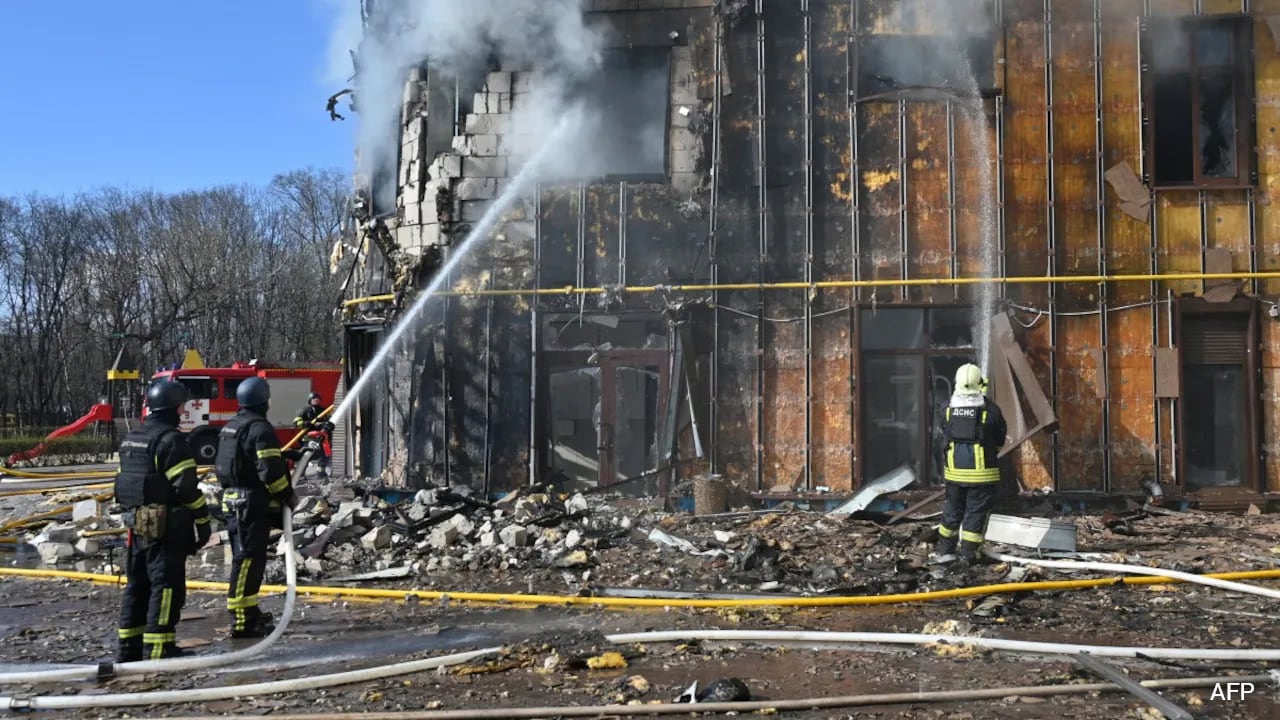
The latest strikes rippled across multiple districts within the region. In the city itself, the blast waves shattered windows and tore through the facades of residential buildings. In the surrounding suburbs, the damage took a more rural, intimate form—homes reduced to splinters, gardens buried under pulverized concrete.
When a strike occurs, the immediate aftermath is defined by a strange, heavy silence. Then comes the sound of sirens, followed quickly by the voices of neighbors checking on neighbors. The first responders arrive not with grand strategic plans, but with shovels, crowbars, and bare hands. They dig through the debris because they know that beneath the gray dust, minutes matter. Survival is a function of time and luck.
The Calculus of Casualties
Among the ten wounded, the injuries tell a story of a civilian population caught in a kinetic vice. Shrapnel wounds, concussions, acute psychological trauma. These are not military casualties sustained on a battlefield; these are the injuries of people who were simply living their lives.
Consider the hypothetical story of Olena, a composite of the many residents who navigate this daily gauntlet. She is sixty-two, a retired schoolteacher who refuses to leave her home because her roots are buried too deep in the Kharkiv soil. When the blast occurred two streets over, she wasn't hit by metal. Instead, she was thrown across her living room by the sheer pressure of the air. Her windows imploded, showering her plants in glittering, lethal shards. She survived, but her sense of safety—the fragile illusion that your home is a sanctuary—was entirely obliterated.
This is the invisible tax levied on the survivors. The physical wounds may heal, the glass will eventually be swept away, and the holes in the brickwork will be boarded up with plywood. But the neurological toll remains. Every loud noise becomes a potential threat. A car backfiring, a sudden clap of thunder, the heavy slam of a door—each sound triggers a spike of adrenaline, a momentary freezing of the muscles. The body remembers what the mind tries to rationalize.
The four individuals who lost their lives in these strikes are no longer capable of telling their stories. They leave behind empty chairs at dinner tables, unfinished projects, and families thrust into the sudden, agonizing process of grief. In a small town outside the city center, one of the strikes claimed the lives of people who were merely tending to their properties. The randomness is what terrorizes. There is no pattern to decode, no logic that allows a person to calculate safety. It is a lottery where the prize is simply making it to the evening.
The Infrastructure of Resilience
Despite the recurring devastation, Kharkiv refuses to become a ghost town. This resilience is often romanticized from afar, viewed as a heroic, unflinching defiance. Up close, however, resilience looks much more like exhausting, mundane necessity.
Municipal workers sweep the streets while the smoke from a strike is still clearing. Utility crews climb poles to splice severed electrical wires while air defense warnings are still active. Store owners sweep up broken storefront glass, hang a sheet of plastic over the void, and reopen for business three hours later. They do this not out of a grand political statement, but because the alternative is total collapse. If you stop moving, the city dies.
This psychological adaptation is a defense mechanism. When the threat of death is constant, the human mind normalizes the absurd. People learn to distinguish between the sound of outgoing artillery and incoming missiles. They know which walls in their apartments are structurally sound enough to withstand a collapse. They keep emergency bags by the door, packed with documents, water, and warm clothes, a permanent reminder of their instability.
But this normalization comes at a steep price. It requires a numbing of the emotional faculties, a deliberate shutting down of empathy just to get through the day. When every day carries the potential for tragedy, feeling the full weight of that tragedy becomes unsustainable. You acknowledge the four dead, you feel a brief, sharp pang of sorrow, and then you continue walking to work. You have to.
The Long Shadow
The international community views these events through a geopolitical lens. Decisions regarding aid packages, air defense systems, and diplomatic pressure are debated in distant capitals, far removed from the immediate terror of a Kharkiv morning. Those debates are necessary, but they often obscure the immediate human cost of delay.
Every day that passes without adequate protection means more kitchen floors covered in glass. It means more families standing outside burning buildings, watching their lives turn to ash. The conflict in Ukraine is a war of endurance, and the civilian population of Kharkiv is on the front lines of that endurance test. They are being asked to withstand a pressure that few civilian populations in the modern era have ever had to face.
The sun sets over Kharkiv, casting long shadows across the damaged streets. The smoke has largely dissipated, replaced by the smell of damp earth and burnt plastic. In one apartment, a family sits down to eat by candlelight, the electricity still cut off from the morning's strikes. They talk quietly, avoiding the topic of the sirens, focusing instead on the small, trivial details of their day.
On the kitchen counter, a single teacup sits, untouched since the morning. It is a small, unremarkable object, completely intact despite the chaos that surrounded it. A tiny island of normalcy in a world that has been violently turned upside down.