Geopolitics usually happens in sterile rooms. Leaders sign agreements. Diplomats trade talking points. But the actual relationship between world powers depends heavily on something far more basic. It relies on ordinary people looking each other in the eye.
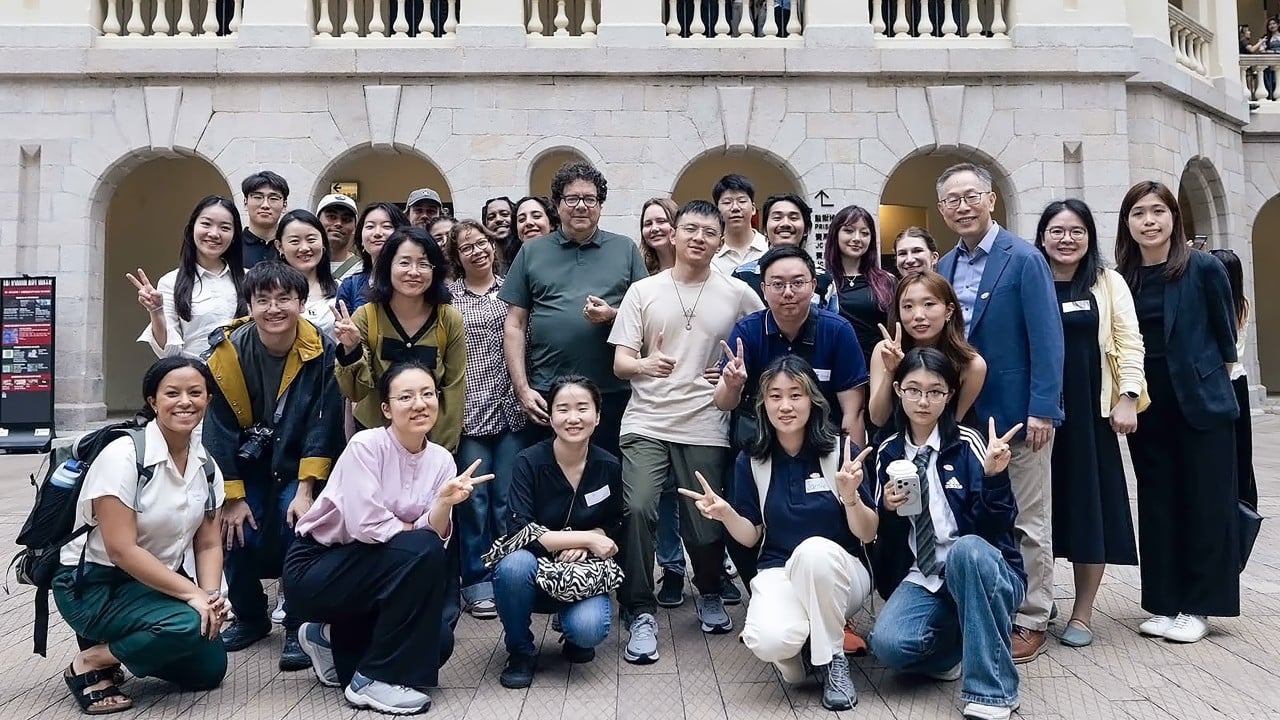
Recently, a massive initiative brought hundreds of American high school students to China. This exchange program grew out of a major pledge to invite 50,000 young Americans over a five-year period. It caught global attention when Chinese President Xi Jinping personally responded to a letter from students at Muscatine High School in Iowa, praising their commitment to youth exchanges.
You might wonder if these trips actually change anything. Do they matter when superpowers clash over trade and security? Yes, they do. When you strip away the official press releases, these visits expose young people to reality on the ground, far away from media narratives.
The Real Impact of the Muscatine High School Exchange
Muscatine, Iowa has a unique, decades-long connection to China. It stems from Xi's first visit to the United States back in 1985. He stayed with local families and toured farms. Decades later, that small-town connection serves as the foundation for a massive educational exchange framework.
When students from Muscatine and other American cities landed in China, they didn't just tour historical sites. They spent days interacting directly with Chinese peers. They went to classes. They played table tennis. They shared meals in school cafeterias.
These interactions matter because they break down abstract political entities into human faces. An American teenager sitting across a table from a Chinese teenager discovers quickly that they share similar anxieties. They talk about university entrance exams, favorite video games, and pop music.
This is where real understanding begins. It doesn't happen during a formal banquet. It happens during a messy, casual conversation over local street food or while trying to navigate a bustling city metro system.
Beyond the Tourist Trail
Many critics view state-supported youth exchanges with skepticism. They call them highly choreographed PR exercises. That view misses the point entirely.
You can't fully script the reactions of a hundred American teenagers. They notice the scale of Chinese infrastructure. They see the bullet trains operating with clockwork precision. They experience cashless payment systems that make Western banking feel distinctly old-fashioned.
They also notice differences in daily life and societal structure. They see how tightly packed urban centers are. They experience the strict discipline of Chinese high schools, where the school day regularly stretches from early morning until late evening.
These observations stick around. The students return home with a nuanced view of a country that their peers only see through news headlines. They realize China isn't a monolith. It is a complex, hyper-modern society filled with individuals who are trying to build normal lives.
Building Muscle Memory for Global Diplomacy
Think about the long-term math here. If 50,000 American students participate in these programs over five years, that creates a significant group of citizens with firsthand experience.
Some of these high schoolers will eventually enter public service. Others will go into international business, journalism, or academia. When they sit down at a negotiating table fifteen years from now, they won't be dealing with a cartoonish version of an adversary. They will remember the classmate they played basketball with in Beijing or the host family that served them dumplings in Shanghai.
That cultural muscle memory prevents catastrophic misunderstandings. It creates a baseline of empathy that makes conflict less inevitable. Right now, public perception of China in the West sits near historic lows. Programs like this provide a vital counterweight to absolute polarization.
What Washington and Beijing Get Wrong About Youth Exchange
Both governments often mishandle these initiatives by over-politicizing them. Beijing tends to use them for heavy-handed messaging about harmony and friendship. Washington sometimes views them through a lens of suspicion, worrying about ideological influence.
Both sides need to back off and let the students just talk.
The value isn't in creating young diplomats who parrot official talking points. The value lies in the friction of different perspectives. It is completely fine if an American student comes home disagreeing with China's political system, provided they understand the people living under it. It is equally fine if Chinese students realize Americans aren't defined entirely by Hollywood movies or partisan news networks.
True educational exchange requires comfort with discomfort. It means allowing visitors to see the challenges a country faces, alongside its shiny achievements. It means letting students ask difficult questions without handlers stepping in.
How to Maximize the Value of International Study Trips
If you are an educator, a parent, or a student considering an international exchange, don't treat it like a vacation. A passive tourist learns very little. To get real value out of these opportunities, you must change how you engage with the destination.
First, ditch the tour bus bubble whenever possible. Walk through neighborhoods. Eat at small, family-run restaurants where no one speaks your language. Use translation apps to chat with shopkeepers.
Second, keep a detailed journal of things that confuse or frustrate you. Cultural friction is the best teacher. If a local custom annoys you, don't just dismiss it. Ask why that custom exists. Look into the history behind it.
Finally, keep the connection alive after the flights home. Social media makes it incredibly easy to maintain international friendships. A single trip can fade from memory quickly, but keeping up a regular text conversation with a peer on the other side of the world turns a brief journey into a lifelong perspective shift.