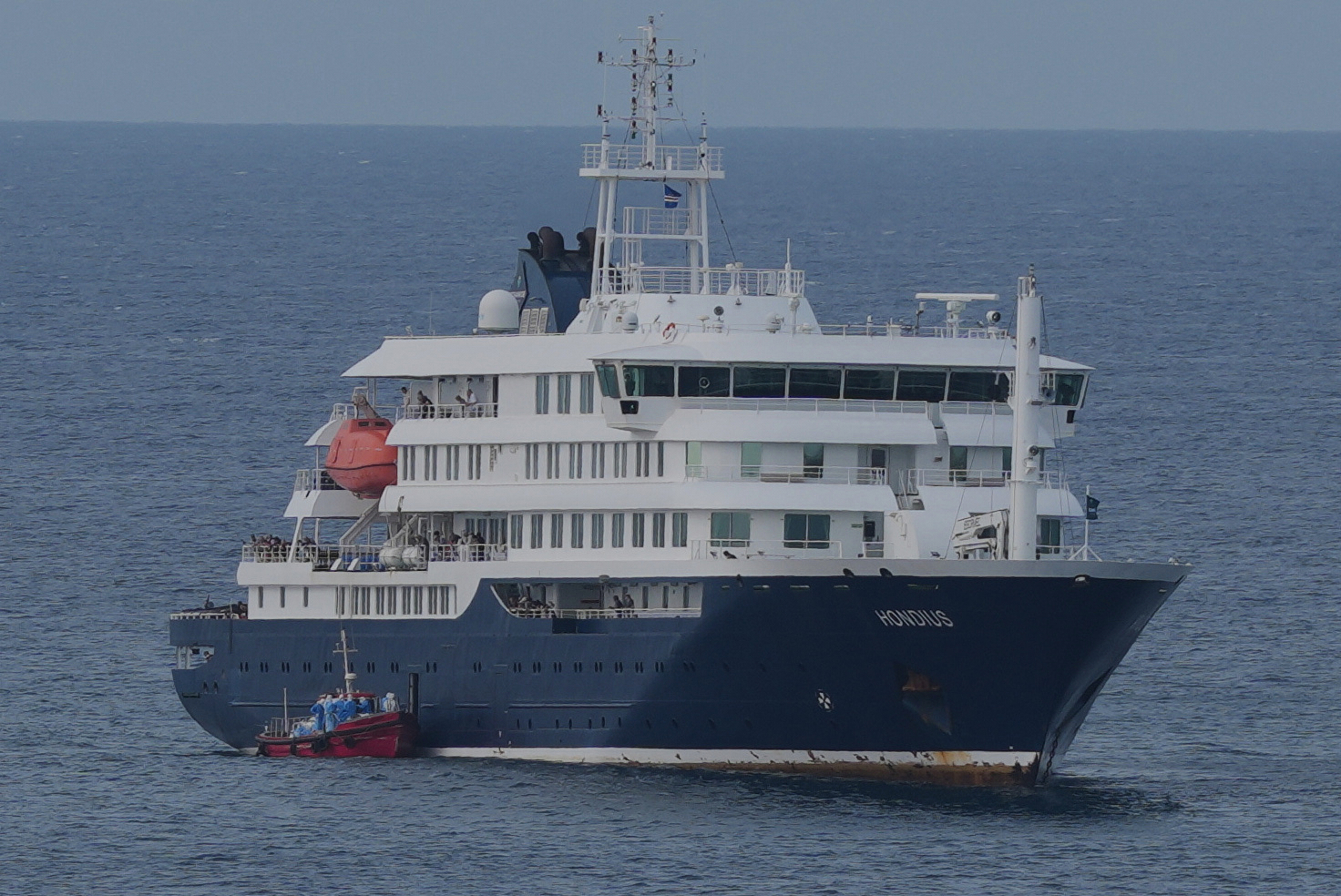
A luxury expedition to the edge of the world shouldn't end with an international manhunt for infected passengers. But for the 149 souls aboard the Dutch vessel MV Hondius, the dream of South Atlantic exploration turned into a medical nightmare. As the ship makes its way toward Tenerife, two Indian crew members and dozens of other nationalities are caught in a waiting game with one of the most lethal viruses on Earth.
Let's get one thing straight right away: this isn't COVID-26. It isn't the flu. While the headlines look like the start of a disaster movie, the reality of the Hantavirus outbreak on the MV Hondius is far more contained, though no less tragic for those involved. Three people are dead. Eight are infected or suspected to be. The panic is real, but the science says you can breathe easy—unless you were sharing a bunk on that ship.
What actually happened on the MV Hondius
The ship left Ushuaia, Argentina, on April 1, 2026. It was supposed to be a birdwatcher's paradise, hitting remote spots like South Georgia and Tristan da Cunha. Somewhere in those rugged landscapes, a killer slipped on board. Investigators think it started with a Dutch couple who went on a birdwatching tour in Argentina before embarking.
They likely inhaled dust contaminated by the droppings of the long-tailed pygmy rice rat. That's how Hantavirus usually works. You don't even see the rodent; you just breathe in the wrong patch of dirt. By April 11, the husband was dead. His wife died later after disembarking at St. Helena. Since then, a German national has also perished, and a massive tracing effort is underway to find anyone who sat near these victims on commercial flights before the diagnosis was confirmed.
Among the 149 people currently being monitored are two Indian crew members. Their names haven't been released, and their health status is currently being kept under wraps by Oceanwide Expeditions. While the world watches the passengers, these crew members are the ones keeping the ship running in a high-stress, semi-quarantine environment.
The Andes strain is the rare exception
Usually, Hantaviruses are a "dead-end" infection. A mouse bites you or you breathe in its waste, you get sick, but you don't pass it to your neighbor. The Andes strain found in South America—the one confirmed in this outbreak—is the jerk of the family. It's the only one known to jump from human to human.
But don't start stocking up on masks just yet.
This kind of transmission is incredibly difficult. We’re talking about "very close physical contact." Sharing a tiny cabin, intimate contact, or providing direct medical care without gear. The World Health Organization (WHO) and Dr. Maria Van Kerkhove have been clear: of the 149 people living in tight quarters for weeks, only a handful got sick. If this were as contagious as a common cold, everyone on that boat would be in a hospital bed by now.
Why the fatality rate is so terrifying
If the virus is so hard to catch, why is the world freaking out? It's the math. The New World Hantaviruses, specifically those causing Hantavirus Pulmonary Syndrome (HPS), have a fatality rate that can hit 50%.
- Phase 1: It starts like a bad flu. Fever, muscle aches, and maybe some stomach issues. You think you just caught a bug from the ship’s buffet.
- Phase 2: Suddenly, your lungs fill with fluid. It’s called "non-cardiogenic pulmonary edema." Basically, you drown from the inside.
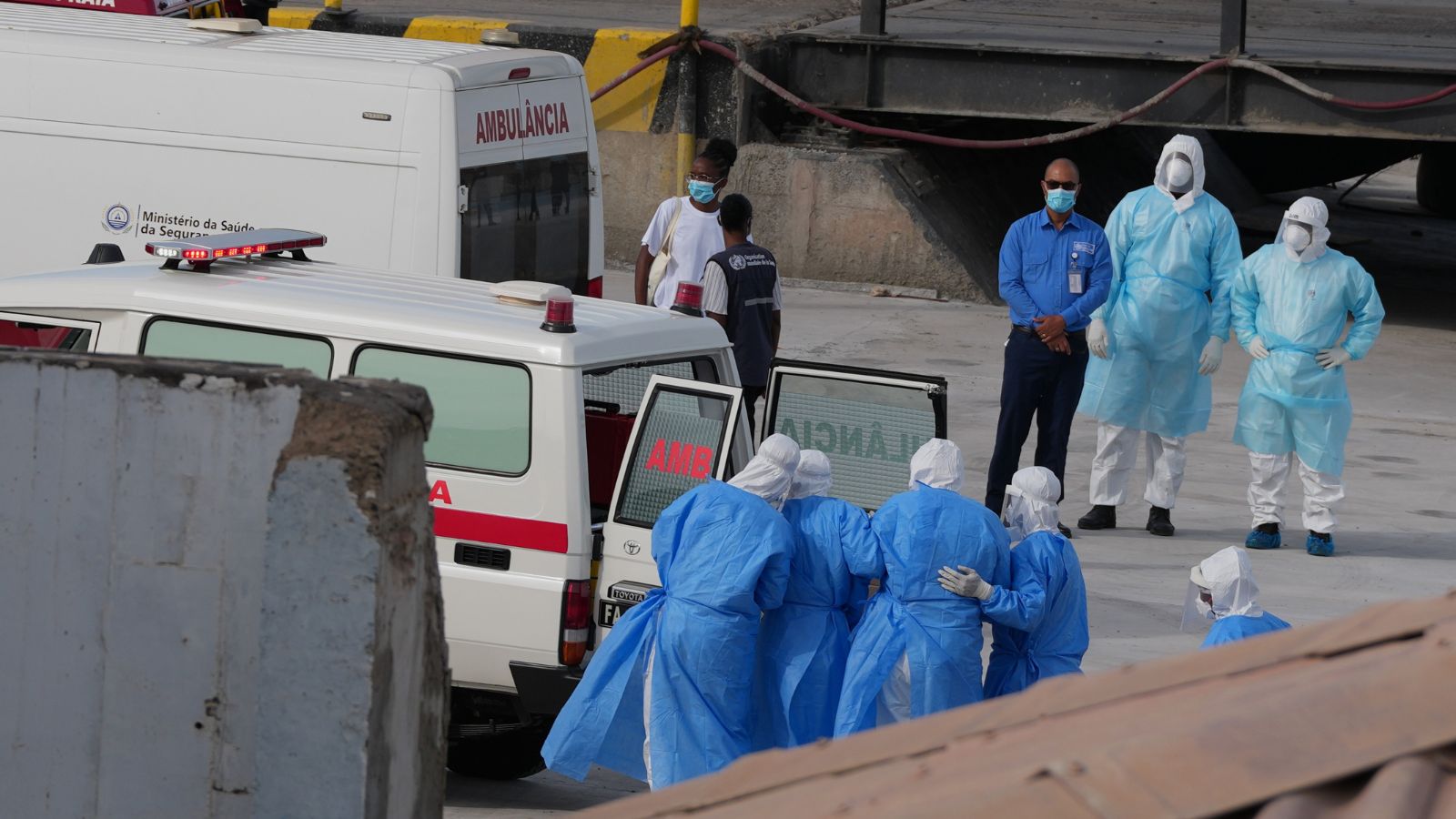
There's no vaccine. There's no "cure" pill. If you get a bad case, your only hope is an ICU and a ventilator to keep you alive until your body fights it off. This is why the medical evacuation of a passenger to Johannesburg was such a high-stakes mission.
The risk to the public is lower than you think
Despite the "death trap" labels being thrown around by tabloid media, the global risk is pegged as "low" by every major health agency from the CDC to the Africa CDC. The virus doesn't survive well outside a host or its specific rodent reservoir. Since the long-tailed pygmy rice rat doesn't live in London, New York, or Mumbai, the virus can't establish a foothold in those cities.
The real challenge right now isn't a global pandemic; it's the 45-day incubation window. Hantavirus is a slow burner. You could be exposed today and not feel a single symptom for six weeks. This is why the two Singaporean residents who were on the ship are being isolated for a full month, and why health authorities are sweating over the 80+ people who shared a flight with the deceased Dutch woman.
What you should do if you're traveling
If you’re planning a trip to South America or any region where Hantavirus is endemic, you don't need to cancel your flight. You just need to be smart.
- Avoid the dust: If you're hiking or birdwatching in rural Argentina or Chile, don't stir up dust in enclosed spaces like old sheds or cabins.
- Seal your food: Rodents go where the snacks are.
- Know the symptoms: If you've been in these areas and develop a fever and shortness of breath within six weeks, don't wait. Tell your doctor exactly where you’ve been.
The MV Hondius is expected to dock in Tenerife on May 11. For the two Indian crew members and the rest of the passengers, that day can't come soon enough. They’ve spent over a month on a vessel where a microscopic killer was hiding in the shadows. For the rest of us, it’s a stark reminder that even in 2026, nature still has a few nasty surprises up its sleeve.
Stay informed, stay cautious, but stop panicking. The situation is tragic for those on board, but for the world at large, the walls of the "death trap" are firmly shut.