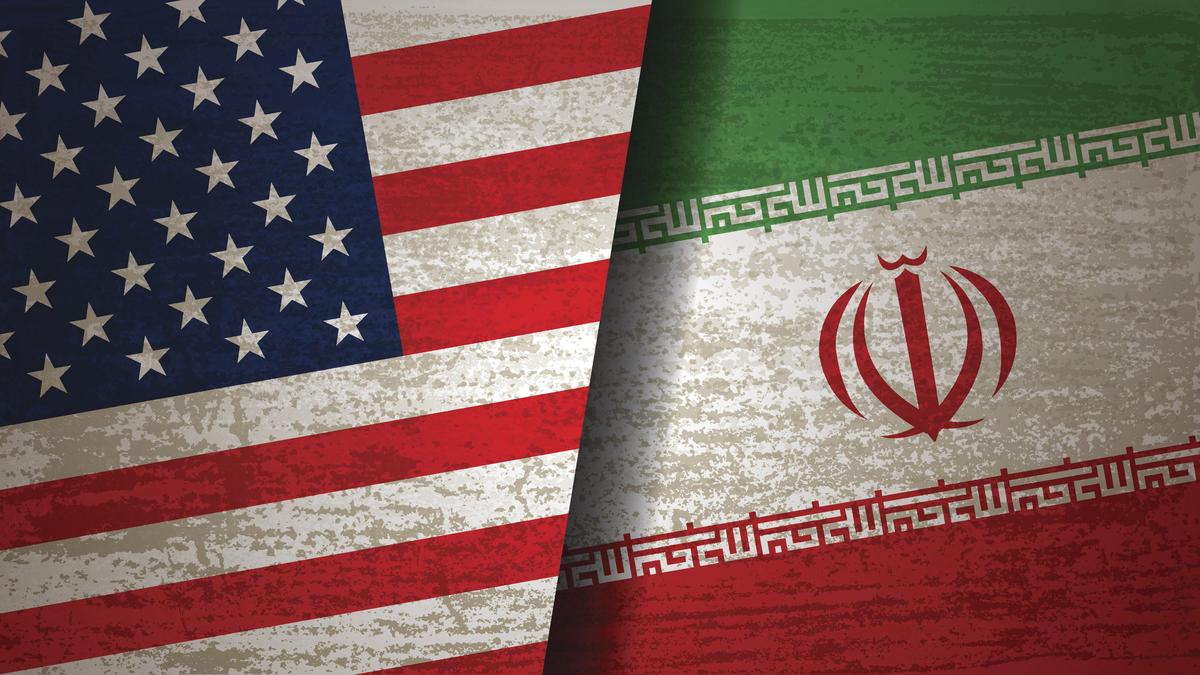
Foreign policy circles are swooning over the latest diplomatic theater. Tehran floats a "peace proposal." The mainstream press dutifully copies and pastes the talking points: demands for war reparations, insistence on total US troop withdrawal, and vague promises of regional stability.
It is a masterclass in geopolitical gaslighting.
The lazy consensus among analysts is that this proposal represents a serious opening move for negotiations—a high starting bid from a rational actor looking for an exit ramp. That interpretation is dangerously naive. This document is not a blueprint for peace. It is a tactical weapon designed to achieve through diplomacy what decades of proxy warfare could not: the total collapse of Western deterrence in the Middle East.
If you treat this as a standard negotiation, you have already lost.
The False Premise of "Reparations"
Let us dismantle the most absurd pillar of the proposal first: the demand for war reparations.
The narrative implies that conflicts in the region are a one-way street of Western aggression. This ignores the billions of dollars channeled into the Islamic Revolutionary Guard Corps (IRGC) Quds Force, Hezbollah, the Houthis, and various Iraqi militias.
When a state actively funds asymmetric warfare across four capitals—Beirut, Damascus, Baghdad, and Sana'a—the concept of "reparations" becomes a dark joke.
I have spent years analyzing regional defense budgets and procurement pipelines. Here is the reality the establishment refuses to voice: Tehran does not expect a single dollar in reparations.
The demand is a psychological anchor. By setting an impossibly high, morally inverted baseline, they shift the goalposts of the entire debate. Suddenly, instead of discussing Iran’s state-sponsored regional destabilization, Western diplomats find themselves defending the legality of their own past sanctions and defensive maneuvers. It is a classic negotiation tactic designed to induce a guilt complex in Western capitals, forcing concessions before face-to-face talks even begin.
The Troop Withdrawal Trap
Then comes the centerpiece: the demand for a complete withdrawal of US forces from the region.
The conventional foreign policy blob often argues that removing US troops would de-escalate tensions and remove the primary friction point. This is backward logic. A vacuum in the Middle East is never filled by peace; it is filled by hegemony.
Imagine a scenario where the US pulls its remaining assets out of Iraq and northeastern Syria tomorrow.
The result is not a regional balance of power. The result is an uninterrupted land corridor stretching from Tehran to the Mediterranean Sea. This isn't theoretical. Look at the logistics:
- The Logistical Highway: A withdrawal removes the Al-Tanf garrison, unlocking unmonitored transit routes for advanced precision-guided munitions directly to Israel's doorstep.
- The Deterrence Deficit: Without a local footprint, Western intelligence loses its human and signals capabilities overnight, rendering pre-emptive disruption impossible.
- The Energy Stranglehold: A total exit hands operational veto power over the Strait of Hormuz and the Bab al-Mandab straight to state-backed actors, leaving global energy security at the mercy of ideological whims.
To call a demand for total withdrawal a "peace proposal" is like a wolf offering a peace treaty to the sheep on the condition that the shepherd burns down the fence.
Dismantling the Establishment Flaws
The public frequently asks the wrong questions about this conflict. If you look at standard media coverage, the questions look like this:
People Also Ask: Can diplomacy succeed where sanctions failed?
This question assumes that diplomacy and sanctions are mutually exclusive choices. They are two sides of the exact same coin. Diplomacy without the credible threat of economic starvation or military force is nothing but a polite surrender. Sanctions did not "fail" because Iran is still standing; they succeeded by forcing a cash-strapped regime to use diplomatic theater to seek relief.
People Also Ask: Would a US withdrawal actually lead to regional stability?
Only if you define "stability" as the silence of absolute subjugation. Regional powers like Saudi Arabia, the UAE, and Jordan do not view a US exit as an invitation to peaceful coexistence. They view it as a green light for an unchecked arms race, likely accelerating regional nuclear proliferation.
The Hard Truth of Asymmetric Diplomacy
The West consistently misreads these proposals because it views international relations through a mirror. Western diplomats assume their counterparts want to maximize economic growth, increase GDP, and integrate into the global financial system.
They do not.
The survival of a theological autocracy depends on external friction. It requires an enemy to justify its internal repression. Therefore, a true, lasting peace with the West is actually an existential threat to the regime's domestic survival strategy.
When they offer a "peace proposal," it is a play for time. It is a mechanism to stall sanctions enforcement, freeze adversary modernization programs, and fracture international coalitions. While the West debates the nuances of the proposal in Geneva or New York, centrifuges spin and missile factories run triple shifts.
I have watched Western administrations fall into this cycle repeatedly. They enter negotiations with a desire to build a historic legacy of peace. They leave having traded concrete, irreversible strategic advantages for vague, easily breakable promises written on expensive stationery.
The Strategic Counter-Play
Stop playing the game by their rules. Stop analyzing the proposal as if it were written in good faith.
The response to a weaponized peace proposal should not be counter-offers or structured dialogue. The response must be a blunt reassertion of reality.
If the regime wants to talk about war damage, the agenda must start with the economic devastation of Lebanon, the destruction of Yemeni infrastructure by Houthi blockades, and the systemic piracy of commercial shipping in international waters. If they want to discuss troop presence, the conversation must center on the immediate withdrawal of foreign proxy forces from sovereign Arab states.
We must accept the downside of this approach: it means sustained tension. It means rejecting the easy praise of the international diplomatic community. It means accepting that some conflicts cannot be neatly resolved with a handshake and a signing ceremony.
But the alternative is worse. The alternative is accepting a fraudulent peace that guarantees a catastrophic war.
Stop reading the headlines. Understand the playbook. The proposal isn't an olive branch; it's a smokescreen.


