Public health campaigns across Hong Kong have increasingly pushed a singular narrative for oncology patients: change your mindset, find hope, and conquer the disease. While positive psychology sounds comforting on the surface, this relentless focus on emotional resilience is masking a severe structural crisis in the city's healthcare infrastructure. Mindset shifts cannot replace missing medical resources.
For a newly diagnosed patient navigating the public hospital system, the immediate hurdle is not a lack of optimism. It is the crushing weight of administrative delays, understaffed wards, and the staggering financial burden of modern oncology drugs. By shifting the conversation toward individual attitude, the systemic failures of the broader healthcare framework escape necessary scrutiny.
The Psychological Burden of Enforced Positivity
Medical literature has long debated the link between emotional state and cancer survival. While reducing chronic stress undoubtedly benefits overall health, forcing a veneer of optimism can backfire spectacularly.
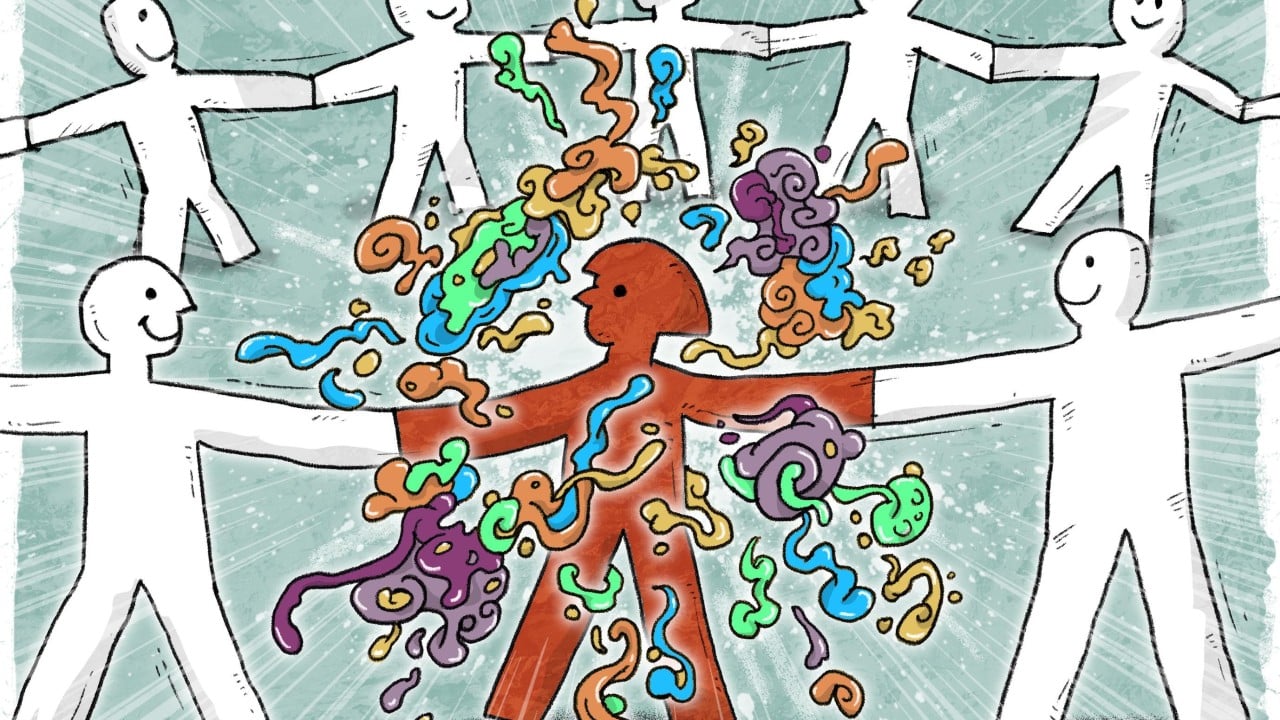
Patients often feel a profound sense of guilt when they cannot maintain a sunny disposition. They worry that their fear, anger, or sadness might actively accelerate their tumor growth. This phenomenon, known among clinical psychologists as toxic positivity, creates an secondary layer of suffering. A patient dealing with a stage four diagnosis should not have to apologize for feeling devastated.
Furthermore, the emphasis on individual coping mechanisms ignores the socioeconomic stratification of Hong Kong. A wealthy patient in a private facility at Queen Mary Hospital can afford to focus on mindfulness and wellness retreats. A working-class patient in a crowded public ward, facing months of lost wages and cramped living conditions in a subdivided flat, faces an entirely different reality. For them, survival is a logistical and financial battle, not a spiritual one.
The Gridlock in Public Oncology Wards
The core issue facing Hong Kong cancer patients is time. The wait times for specialized oncology consultations and subsequent treatment initiation in the public sector remain stubbornly high.
Consider the journey through the Hospital Authority system. After an initial biopsy confirms malignancy, a patient does not immediately start chemotherapy or immunotherapy. They enter a queue.
- Initial Consultation: Weeks can pass before the first meeting with a clinical oncologist.
- Diagnostic Imaging: Getting an urgent PET or MRI scan within the public system involves competing with thousands of other high-priority cases.
- Treatment Initiation: By the time the first dose of medicine is administered, the disease may have progressed from a highly treatable localized stage to a much more complex systemic threat.
During these weeks of forced waiting, telling a patient to practice mindfulness borders on insulting. The anxiety experienced during this period is not a psychological flaw to be corrected by a mindset shift. It is a rational response to a sluggish bureaucracy.
The Financial Chasm of the Drug Formulary
Even when a patient reaches the front of the line, they hit the wall of the Hospital Authority Drug Formulary. Hong Kong possesses a dual-track system for cancer medications.
Standard, older chemotherapies are heavily subsidized, costing patients minimal amounts. However, the true vanguard of modern oncology—targeted therapies and immunotherapies that can extend life by years with fewer side effects—falls largely into the self-financed category.
+-----------------------------------+-----------------------------------+
| Subsidized Treatments             | Self-Financed Medications         |
+-----------------------------------+-----------------------------------+
| Traditional Chemotherapy          | Next-Generation Immunotherapies   |
| Standard Radiation Therapy        | Advanced Targeted Therapies       |
| Basic Post-Op Care                | Specialized Genetic Profiling     |
+-----------------------------------+-----------------------------------+
For the average middle-class family, the cost of these self-financed drugs is catastrophic. A single course of immunotherapy can run between 40,000 to 80,000 Hong Kong dollars per month. Safety nets like the Samaritan Fund and the Community Care Fund exist, but their means-testing criteria are notoriously stringent.
Families are routinely forced to liquidating their life savings, sell property, or sign up for high-interest loans simply to buy a few extra months of life. This financial bleeding induces a level of chronic stress that no amount of meditation or positive thinking can alleviate.
The Brain Drain of Clinical Talent
The infrastructure is failing because the people who run it are leaving. The public healthcare sector has faced an unprecedented exodus of senior doctors and experienced oncology nurses over the last several years.
Private hospitals offer lucrative compensation packages, regular hours, and significantly lower patient loads. This drains the public system of its institutional knowledge. When a senior oncologist departs, they leave behind a wake of junior doctors who must handle double the patient volume with a fraction of the experience.
The resulting assembly-line medicine leaves no room for nuanced patient care. A public oncologist might have less than ten minutes per patient during a outpatient clinic session. In that brief window, they must review scans, check blood work, adjust dosages, and manage side effects. Expecting these overworked clinicians to provide comprehensive emotional support or guide patients through complex mindset shifts is unrealistic. They simply do not have the hours in the day.
A Systemic Overhaul Over Individual Responsibility
Fixing the cancer crisis in Hong Kong requires looking beyond the emotional state of the individual. It demands aggressive policy intervention and a reallocation of public funds.
First, the process for approving and subsidizing new oncology drugs must be accelerated. The bureaucratic delay between a drug receiving global regulatory approval and its inclusion on the subsidized formulary list costs lives.
Second, the government must invest heavily in community-based palliative and psychological care that operates independently of the overburdened hospital network. By decoupling emotional support from the acute care hospitals, patients can access counseling without adding to the administrative gridlock of oncology clinics.
Relying on the resilience of the patient population is a strategy of convenience for policymakers. It shifts the burden of survival from the state to the individual, turning a collective public health responsibility into a private test of character. True hope for Hong Kong cancer patients will not come from a change in attitude. It will come from a system that diagnoses them quickly, treats them affordably, and supports them unconditionally.