The Kremlin expected a diplomatic transactional freeze. Instead, it got radio silence from a distracted Washington while Ukrainian drones systematically dismantled its domestic energy infrastructure. In the space of seventy-two hours, a choreographed chorus of top Russian officials—including Foreign Minister Sergei Lavrov and Kremlin aide Yuri Ushakov—publicly accused the United States of abandoning the backchannel agreements struck at the August 2025 Alaska summit. This coordinated diplomatic offensive betrays profound anxiety within Moscow. As Kyiv intensifies deep drone strikes against critical Russian energy facilities, the limits of personal diplomacy are laying bare a stark reality that neither Washington nor Moscow anticipated.
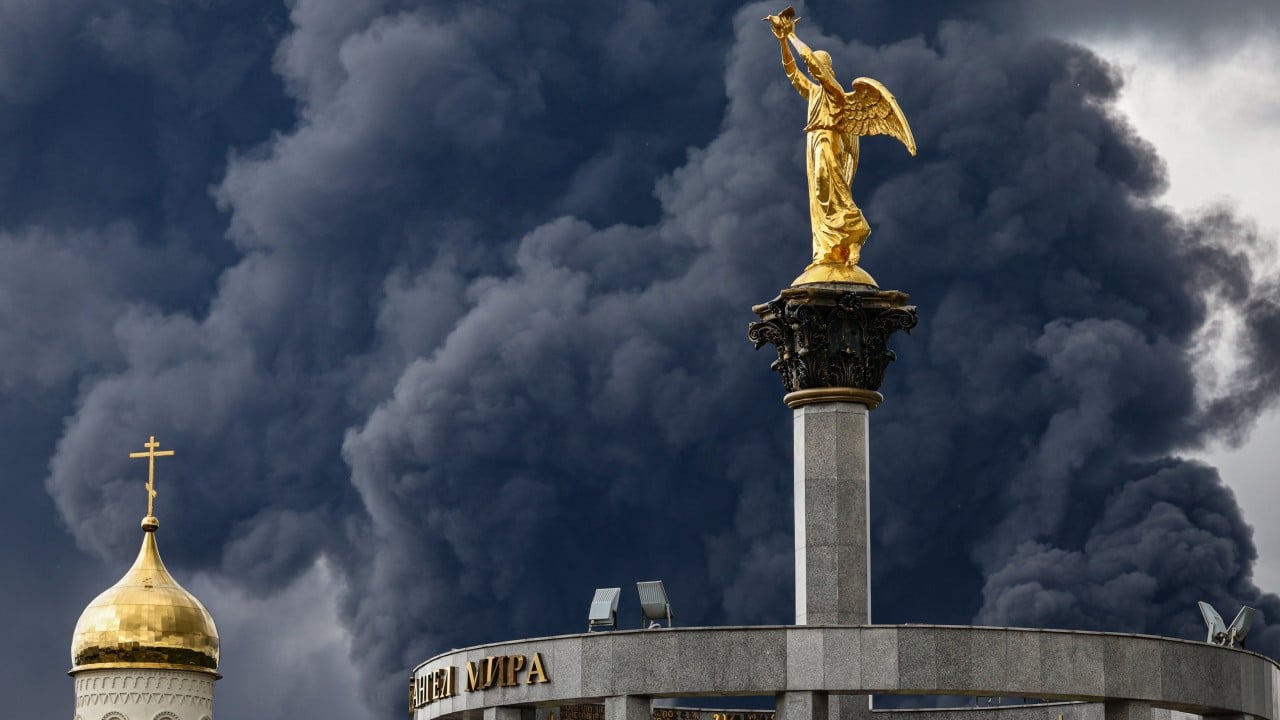
Moscow is feeling the heat. The immediate trigger for this sudden public venting of frustration is an escalating campaign of asymmetric warfare that has reached deep into the Russian interior. Just last week, Ukrainian long-range strike drones successfully penetrated air defense networks to strike two major oil refineries in the Moscow region. These are not merely symbolic pinpricks. They represent a targeted assault on the refining capacity that fuels both the Russian military machine and the domestic economy. Simultaneously, Ukrainian President Volodymyr Zelenskyy used the recent Group of Seven summit in France to display battlefield evidence to Western leaders, arguing that the tide is actively turning against the occupying forces. Recently making waves recently: The Friction Points of Subcontinental Geopolitics: Managing Asymmetric Escalation and Minority Vulnerabilities in Transnational Corridors.
For months, the Kremlin clung to what its diplomats called the spirit of Anchorage. This was the shorthand for an informal, unwritten understanding that Moscow believed it had secured during Donald Trump’s face-to-face meeting with Vladimir Putin in Alaska last year. According to the Russian interpretation, Trump was sympathetic to their core demand: freezing the current front lines and effectively forcing Ukraine to cede the entire Donbas region in exchange for a halt to hostilities. Trump’s public rhetoric, which frequently blamed Zelenskyy for the continuation of the war and promised an immediate end to the conflict, fueled these expectations in Russia. Moscow believed that a transactional deal was imminent, requiring only a final signature from Washington to force Kyiv into submission.
The deal never materialized. The fundamental flaw in Moscow’s strategy was the assumption that American foreign policy could be entirely dictated by the personal impulses of a single leader, independent of institutional constraints and shifting geopolitical realities. The White House never officially confirmed the existence of any specific carve-up or concessions. European allies remained deeply skeptical of the summit, refusing to endorse any framework that compromised Ukrainian sovereignty. Then came the sudden shift in American administrative focus. More information into this topic are explored by The Guardian.
In February, Washington’s attention fractured. The outbreak of open military conflict involving the United States, Israel, and Iran shifted the focus of American foreign policy planners away from Eastern Europe. The White House found itself managing an active, resource-intensive confrontation in the Middle East. Diplomacy requires time, focus, and political capital. The Trump administration simply ran out of all three for the Ukrainian theater. As Washington’s mediation efforts dried up, Moscow found itself stranded in a diplomatic vacuum, unable to convert its perceived understandings into a binding agreement.
The Strategy behind the Public Accusations
The sudden barrage of statements from Russian officials is not a sign of strength. It is a calculated act of diplomatic desperation. When Yuri Ushakov asserted that only one side remained committed to the understandings while the other proved unable to do its part, he was signaling to the White House that Russia’s patience had expired. Hours later, Sergei Lavrov went further, suggesting that the entire Alaska summit was a deliberate American ploy designed to buy time for the rearming of the Ukrainian military. Sergei Ryabkov, the deputy foreign minister, reinforced this line by accusing the United States of drifting toward the hardline positions of London and Paris.
This public complaining serves multiple purposes. First, it is an attempt to shame the Trump administration back to the negotiating table. Putin prefers dealing directly with Washington because it bypasses the European capitals, which have consistently refused to pressure Kyiv into territorial concessions. By framing the United States as an unreliable partner that fails to honor its private handshakes, Moscow hopes to provoke a reaction from a presidency that prides itself on personal deal-making.
Second, it provides a convenient excuse for domestic consumption. The Russian public is increasingly aware of the domestic costs of the war, as black smoke from burning fuel depots rises near major cities. Putin must explain why the quick settlement promised after the Alaska summit has transformed into a summer of relentless drone strikes and economic strain. Blaming American bad faith is a well-worn page from the Kremlin playbook. It shifts the responsibility from military mismanagement to international betrayal.
Economic and Military Realities Pushing Putin to the Brink
The military situation inside Russia is growing critical. Despite grinding territorial gains in the Donbas, the cost in personnel and material has reached unsustainable levels. The Russian economy is overheating under the twin pressures of massive military spending and severe labor shortages. Inflation is stubbornly high, and the central bank has been forced to maintain punishing interest rates to prevent a currency collapse.
Asymmetric warfare has leveled the playing field. Ukraine has systematically exploited its development of long-range attack drones, bypassing traditional air defenses to strike economic choke points. The targeting of refineries disrupts the domestic supply of refined products, driving up fuel costs inside Russia and limiting the profits derived from energy exports. Putin needs a freeze not because he has won, but because his war machine is running on fumes.
Russian Economic Vulnerabilities
├── Punishing Central Bank Interest Rates
├── Acute Domestic Labor Shortages
└── Oil Refinery Disruptions from Asymmetric Drone Strikes
The Kremlin’s current anxiety stems from the realization that Europe will not step into the gap as a soft mediator. Russia has explicitly ruled out European mediation, recognizing that leaders in London, Paris, and Berlin remain committed to long-term support for Kyiv. Without active American pressure on Ukraine to surrender territory, the war will continue on its current trajectory. That trajectory involves the steady attrition of Russian economic stability.
The Disillusionment of Personal Diplomacy
The current friction demonstrates the persistent failure of autocratic regimes to comprehend the nature of democratic governance. Moscow treated Trump’s campaign promises and informal summit declarations as binding imperial decrees. They failed to account for the deep institutional momentum of American national security agencies, congressional oversight, and the necessity of maintaining alliances with European powers.
Trump himself demonstrated his characteristic flexibility. Just a month after the Alaska summit, he publicly mused that Ukraine could eventually recapture all its lost territory, completely reversing the rhetorical stance that had encouraged Moscow just weeks prior. For Putin, this was a jarring reminder that verbal assurances from Washington are highly unstable currencies. The administration’s subsequent pivot to the Middle East left Russia with no structured diplomatic process, no formal deal on the table, and no path toward a recognized exit from the conflict on its own terms.
The war has entered a dangerous phase of diplomatic drift. Russia cannot force a decisive military victory that ends Ukrainian resistance, and Ukraine cannot entirely expel Russian forces from occupied territories without a massive escalation in Western aid. Moscow’s strategy relied entirely on an American intervention to break this deadlock in its favor. Now that the intervention has stalled, the Kremlin is left with a brutal reality. The conflict is continuing, the costs are rising, and the supposed understandings of Alaska have evaporated into thin air. Putin is discovering that a handshake in Anchorage provides no protection against an explosive drone strike in Moscow.


