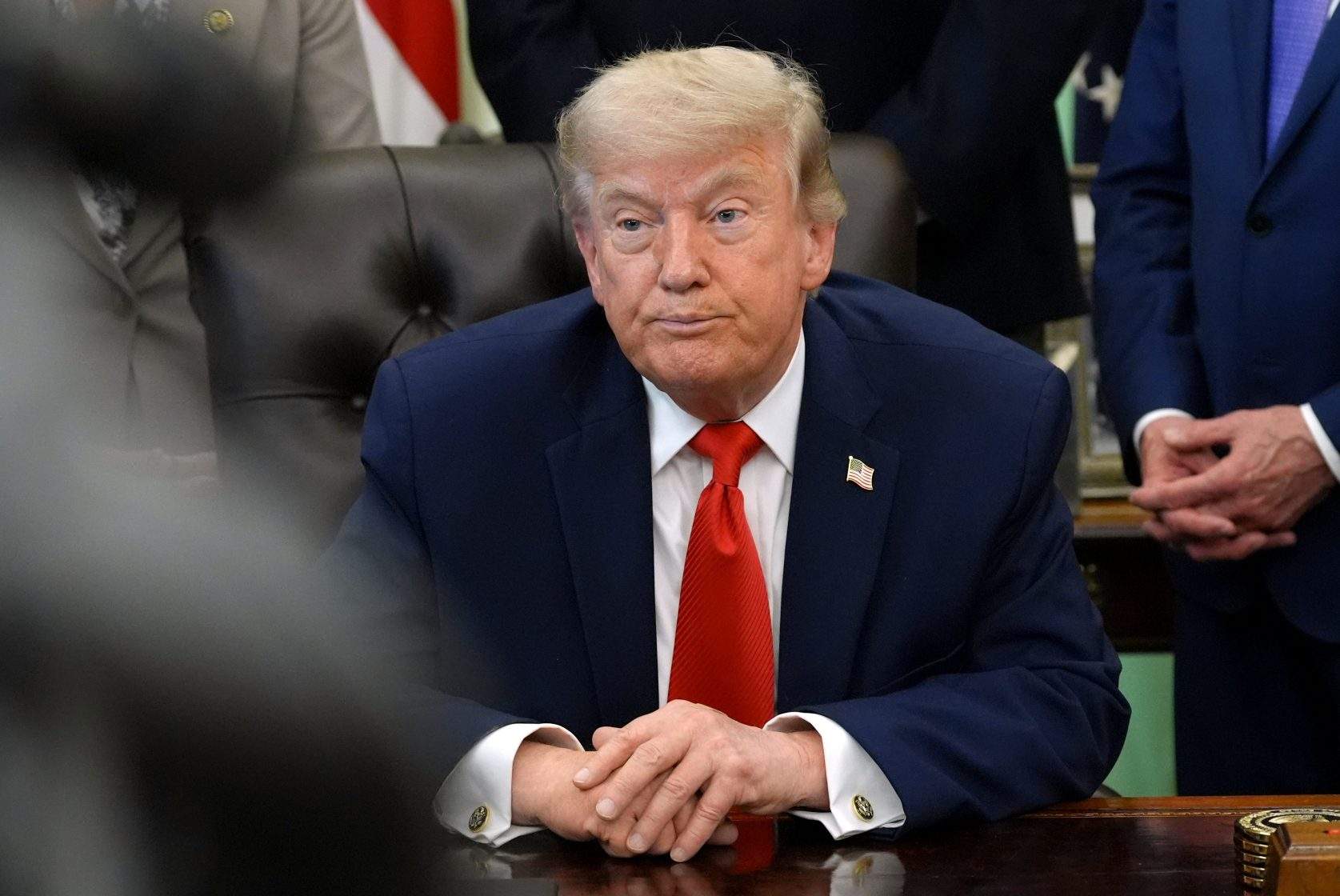
The white-hot intensity of the 2026 Iran war has not been extinguished by Donald Trump’s latest 60-day diplomatic extension. It has merely been driven underground, mutating into a volatile waiting game where both Washington and Tehran are breaking the rules they publicly signed. While mainstream headlines describe a presidency flip-flopping under the weight of escalating drone strikes and naval standoffs, the reality is far more calculated. President Trump is not wavering; he is executing a deliberate strategy of calculated volatility designed to squeeze the Iranian state into permanent submission. Tehran, meanwhile, is using the diplomatic breathing room to absorb unprecedented domestic and military shocks, using shadow warfare to prove it remains dangerous even while wounded.
This current arrangement is a pause, not a peace. The structural drivers of this war—ranging from Iran’s shuttering of the Strait of Hormuz to its deeply guarded nuclear enrichment facilities—remain entirely unresolved.
The Strategy of Volatility
To understand the White House's behavior, one must look past the jarring shifts in rhetoric. On March 6, the administration demanded "unconditional surrender." By April 8, it embraced a Pakistan-mediated temporary ceasefire. This week, that pause was stretched by another two months.
This is not a policy failure. It is an intentional tactic.
By constantly shifting the goalposts between total devastation and diplomatic engagement, the administration deprives Tehran of a stable geopolitical landscape to plan against. This unpredictability aims to turn Iran’s severe domestic vulnerabilities into a tool for American leverage. Following the mass casualty crackdowns on internal protesters in January, the Iranian state has been fundamentally fragile. The White House recognizes this. By threatening to resume devastating air strikes one day and offering structured relief talks the next, Washington keeps the newly installed regime in Tehran perpetually off-balance.
The underlying objective is strategic submission rather than a clean diplomatic treaty. The United States is demanding zero enrichment, the total handover of past nuclear material, and the verifiable defunding of all regional proxy groups. These are terms designed to strip Iran of its regional deterrence entirely. The 60-day extension is not a sign of softening resolve. It is a tactical tightening of the vise.
Shadow Warfare and the Broken Blockade
While diplomats talk in Islamabad, the actual theater of war tells a far bloodier story. The ceasefire on paper forbids offensive operations. In reality, both sides have spent the last several weeks testing each other's breaking points through asymmetric means.
The most critical flashpoint remains the Strait of Hormuz.
The maritime artery that carries a massive chunk of the world's energy supply is currently locked in a mutual stranglehold. Iran’s formal closure of the waterway prompted a severe American counter-blockade. Today, the rules of engagement are being rewritten daily through violence that occurs just below the threshold of open, conventional war.
- Asymmetric Maritime Incursions: Iranian fast-attack craft continue to sow marine mines and target commercial shipping bound for Western-aligned ports, using deniable paramilitary tactics.
- The Drone War: Unmanned aerial vehicles launched from Iranian soil routinely target logistics hubs in neighboring Gulf states that host American infrastructure.
- Cyber Interdictions: Subterranean infrastructure networks on both sides are absorbing daily, uncredited cyberattacks aimed at disrupting command and control networks.
This is why mainstream coverage of a "flip-flop" misses the point. The administration’s willingness to extend the formal pause is directly tied to the efficacy of the U.S. Navy's counter-blockade. So long as Iranian energy exports are kept at zero and domestic economic strain deepens inside the country, Washington feels no pressure to rush into a flawed permanent agreement.
The Nuclear Brink
The core friction point destroying any hope for an easy resolution is the status of Iran’s nuclear program. During the brief Islamabad talks in April, the administration admitted that while minor logistical points were settled, the only issue that mattered remained deadlocked.
The positions are structurally irreconcilable.
+------------------------------------+------------------------------------+
| US Core Objectives                 | Iranian National Redlines          |
+------------------------------------+------------------------------------+
| Permanent zero-enrichment standard | Retaining domestic enrichment capability |
| Handover of existing fissile stock | Enforcement of sovereign defense assets|
| Intrusive, unannounced IAEA access | Sanctions relief prior to compliance|
+------------------------------------+------------------------------------+
Tehran views its nuclear infrastructure as the ultimate guarantee against forced regime change. Having watched its conventional proxy network in Lebanon and Gaza suffer deep setbacks over the past two years, the clerical establishment regards its underground enrichment facilities as its remaining shield. Even as the head of Iran's Atomic Energy Organization publicly rejects any permanent limits on enrichment, American bombers remain fueled on regional runways.
A hypothetical scenario illustrates the fragility of this pause. If Western intelligence detects that Iran is shifting highly enriched uranium from its deep underground facilities at Fordow to an undisclosed location to evade detection during this 60-day window, the ceasefire evaporates instantly. The administration has made it clear that any movement toward weaponization will trigger immediate, kinetic operations targeting those facilities directly.
The Fractured Gulf Coalition
Perhaps the most significant overlooked factor in this conflict is the quiet panic unfolding among the Arab Gulf states. While Western capitals view the conflict through the lens of non-proliferation, regional players face a far more immediate economic threat.
The consensus that once supported a hardline Western stance against Tehran has fractured. Regional powers have billions of dollars riding on vision-driven economic diversification projects, data center investments, and global tourism initiatives. These ambitions require absolute stability. Iran’s retaliatory strikes against infrastructure in the Gulf earlier this year demonstrated that any prolonged war will inflict massive collateral damage on its neighbors, regardless of who wins the conventional battles.
Consequently, regional diplomacy has quietly shifted toward containment and de-escalation. The preference now is for a flawed, survivalist status quo over a chaotic war aimed at total regime collapse. This divergence has left Western policymakers increasingly isolated in their execution of the maximum pressure campaign. It also provides Tehran with a vital diplomatic diplomatic escape valve, as its neighbors seek bilateral assurances to protect their own infrastructure from the fallout of American actions.
The current 60-day extension is a manifestation of this profound gridlock. Washington cannot escalate further without risking a global energy panic and breaking its regional alliances. Tehran cannot push its counter-attacks too far without triggering the total destruction of its remaining state infrastructure. Both sides are trapped inside an illusion of diplomacy, waiting for the other's internal resolve to fracture first.


