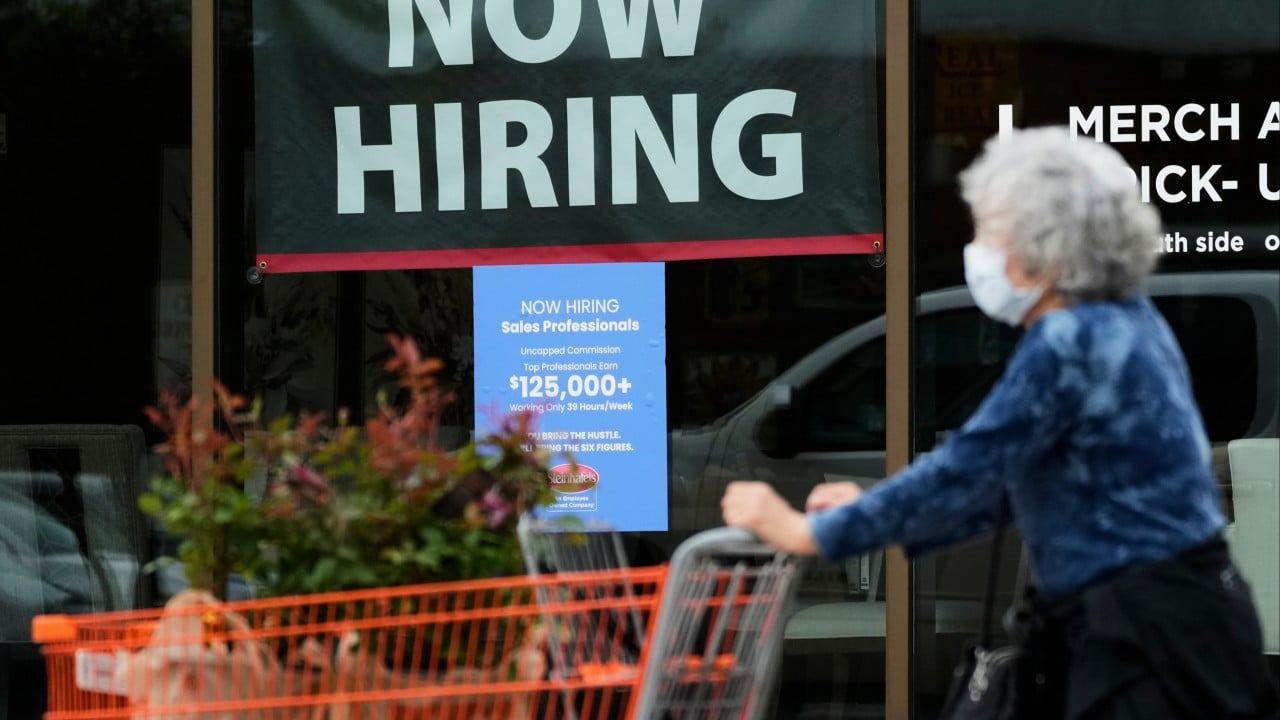
The midsummer numbers are in, and they have shattered the White House narrative of an unstoppable economic expansion. In June, the American economy managed to add a meager 57,000 jobs, missing Wall Street expectations by nearly half and signaling an abrupt slowdown that is sending shockwaves through the Republican establishment just five months before the crucial 2026 midterm elections. This sudden braking mechanism, paired with negative revisions that erased 74,000 jobs from the previous two months, exposes an economy caught in a classic stagflationary trap. Rising energy costs from the prolonged conflict in Iran are hammering corporate margins, while everyday consumers are watching their purchasing power evaporate under the weight of persistent inflation.
For months, the administration pointed to strong headline numbers to claim the affordability crisis was over. The June report from the Bureau of Labor Statistics changes everything. It reveals a low-hire environment where businesses are buttoning down the hatches, leaving the White House exposed to a ferocious counter-offensive from Democrats who smell blood in the water.
The Ghost Drop in Unemployment
At first glance, the headline unemployment rate ticking down to 4.2% looks like a win for the administration. It is a mathematical illusion.
The rate declined not because companies went on a hiring spree, but because 720,000 workers actively threw up their hands and abandoned the labor force entirely. The labor force participation rate took a sharp dive to 61.5%, matching lows not seen since the aftermath of the pandemic. When people stop looking for work, they disappear from the official unemployment calculation, masking the true stagnation gripping the market.
This is what economists call a labor supply freeze. Those who have jobs are clinging to them with white-knuckled intensity, recognizing that the hiring market has dried up. Meanwhile, those on the outside are discovering that the window of opportunity has slammed shut. This trend is particularly severe among younger workers and minority communities who rely on seasonal and entry-level hiring to gain a foothold in the economy.
The Invisible Pay Cut
Even for those Americans fortunate enough to be drawing a steady paycheck, the financial ground is shifting beneath their feet. Average hourly earnings rose by 3.5% over the past year, a number that would look respectable in a vacuum. But we do not live in a vacuum.
With inflation weaponized by the ongoing military friction in the Middle East, consumer prices have outpaced wage growth by roughly 0.7 percentage points. Every trip to the grocery store or local gas station is a reminder that American workers are effectively taking a real-terms pay cut. The administration's sweeping 2025 tax cuts provided a temporary cushion via larger tax refunds earlier this spring, but those funds have long since been spent on basic survival.
What remains is the brutal reality of four-dollar-a-gallon gasoline. Leisure and hospitality, a sector that should be thriving during a summer packed with Independence Day travel and domestic events, shed 61,000 jobs in June alone. Restaurants and hotels simply cannot afford to scale up their payrolls when their own utility, food, and logistics costs are soaring, and when their core customers are scaling back on discretionary spending.
Warsh and the Fed Tightrope
The political consequences of this slowdown are compounded by a looming showdown at the Federal Reserve. In May, President Trump broke with recent precedent by replacing Jerome Powell at the helm of the central bank, installing Kevin Warsh with the explicit expectation that the new chair would aggressively slash interest rates to juice the markets.
The June data has cornered the central bank. Usually, a cooling job market prompts a central bank to cut rates to stimulate growth. However, Warsh is staring down inflation numbers that are hitting fresh three-year highs, driven by supply chain blockages and energy shocks that monetary policy cannot fix. Wall Street traders have shifted their bets, pricing in a high probability that the Fed will actually raise its benchmark rate later this year to keep inflation from spiraling out of control.
A rate hike in the autumn would be catastrophic for the ruling party. It would immediately push up the cost of mortgages, auto loans, and credit card debt, delivering a double blow to households already struggling to stay afloat. The administration's attempts to bully the central bank into compliance are hit by a wall of reality. Warsh cannot lower rates without risking a total runaway of consumer prices, an outcome that would doom his own credibility.
The Midterm Math Cracks Wide Open
This economic deceleration is hitting at the worst possible geographic and demographic points for the congressional majority. The 2024 coalition that swept the current administration back into power relied heavily on working-class voters, particularly within Black and Latino communities, who defected from the Democrats on the singular promise of lower prices and economic security.
The Brookings Institution data from this summer paints a dark picture for incumbents. Lower-income households are falling behind on rent and utility payments at rates higher than last year. The very voters who gave the administration its mandate are the ones bearing the heaviest burden of this stagflationary slowdown.
Democratic strategists are already retooling their midterm playbooks, shifting their messaging away from abstract judicial and social arguments to focus entirely on the kitchen table. They are framing the June jobs collapse as the inevitable result of a volatile economic agenda that prioritizes corporate tax relief over sustainable wage growth. The White House response has been a defensive insistence that the labor market remains solid and that the best is yet to come, but slogans do not pay the mortgage.
The upcoming August benchmark revisions from the BLS are poised to be the next flashpoint. If those revisions show that the job market was even weaker during the spring than previously thought, the narrative of a resilient economy will collapse entirely. Candidates on the campaign trail are running out of time to convince a skeptical public that their economic fortunes are about to turn, especially when the daily reality at the pump tells a completely different story.