The sound of a gunshot changes how you listen to a heartbeat.
When you stand in a clinic made of plastic sheeting and treated timber, deep within the North Kivu province of the Democratic Republic of the Congo, the air is thick. It smells of chlorine, damp earth, and fear. You are wearing three layers of protective gear. Sweat pools in your boots. Through the fogged lens of your goggles, you watch a nurse hold a syringe.
Then, the thud of mortar fire echoes from the hills.
The nurse does not drop the needle. She pauses. Her shoulders tighten. She waits to hear if the screaming that follows is getting closer or staying far away. This is the reality of trying to stop a hemorrhagic fever in a war zone. It is a mathematical nightmare. You can have the most advanced vaccine on earth, a marvel of modern biotechnology capable of neutralizing a lethal pathogen, but it is entirely useless if you cannot walk across the street to deliver it.
We often talk about global health as a series of spreadsheets, funding allocations, and clinical trials. But on the ground, science is hostage to geopolitics. When the World Health Organization calls for an immediate ceasefire in the midst of an Ebola outbreak, it is not a political statement. It is a desperate cry for a medical perimeter. It is the realization that bullets are actively weaponizing a virus.
The Geography of a Pandemic
To understand why an outbreak in the eastern Congo can paralyze global health authorities, you have to look at the map through the eyes of a virus.
Ebola thrives on human movement. It travels in the crowded cabs of motorbike taxis, along muddy trading routes, and across porous international borders. In North Kivu, this movement is dictated by terror. When an armed militia raids a village at midnight, the inhabitants do not pack bags. They run. They scatter into the dense forest, across rivers, and into neighboring towns like Beni or Butembo.
Consider a hypothetical family fleeing such an attack. Let us call the mother Marie. If Marie’s eldest child was exposed to Ebola twenty-four hours before the militia arrived, that child is now a walking incubation chamber. As the family flees into a new community, seeking shelter with extended relatives, the virus hitches a ride.
In a stable environment, epidemiologists perform a process called contact tracing. It is detective work. You find the patient, you list every single person they have interacted with over the past three weeks, and you monitor them. You isolate the sick and vaccinate the healthy. It is a proven strategy that can choke an outbreak to death in months.
But how do you trace a contact who has vanished into a jungle to escape a machete?
You cannot. The chain of transmission goes dark. The virus slips beneath the surface, moving through displaced populations like wildfire under peat. By the time a case emerges in a city hospital, the spark has already become a conflagration.
The Anatomy of the Suit
There is a specific psychological horror to working inside an Ebola Treatment Center during a conflict.
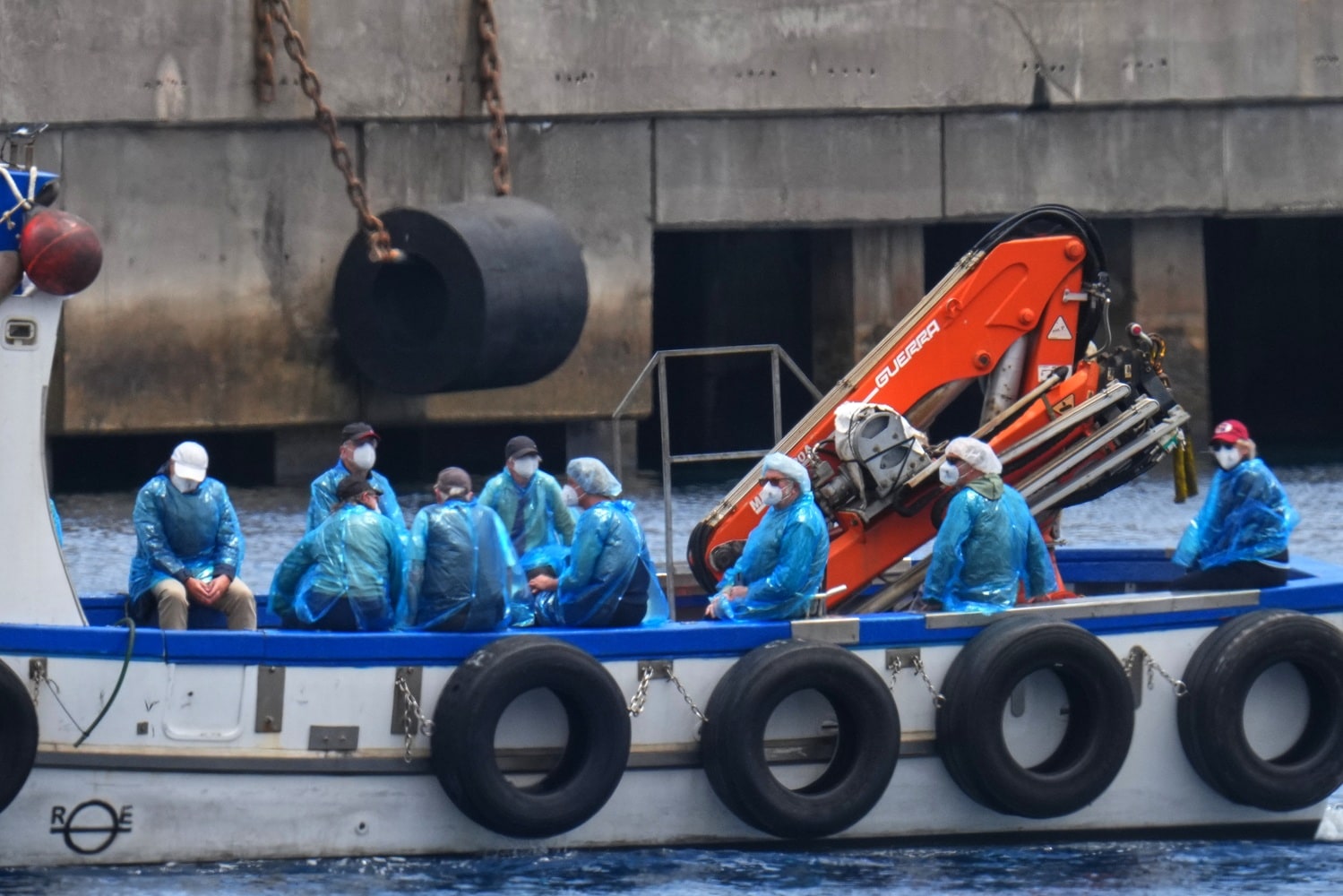
The personal protective equipment, or PPE, is designed to keep the outside world out. It creates a profound sense of isolation. You can hear your own breathing, loud and rhythmic, inside the hood. Your vision is restricted to a narrow forward cone. Within thirty minutes, the heat inside the suit rises to uncomfortable levels, draining your energy and muddying your thoughts.
Now add the sound of automatic weapon fire outside the gates.
Trust is the first casualty of war. When foreign medical teams arrive in a conflict-ridden region wearing yellow space suits, spraying white powder, and taking away the bodies of loved ones in body bags, the local population does not always see saviors. They see an invasion. They see another group of outsiders capitalizing on their misery.
Rumors spread faster than the disease. Some believe the virus was brought in by Western organizations to make money. Others believe the treatment centers are where people are taken to die, rather than to be cured. When rebel groups exploit these fears, health workers become targets.
Centers are burned. Vehicles are ambushed. Doctors are killed in their beds.
Every time an attack happens, the response shuts down. The trucks stay parked. The vaccines remain in the specialized, ultra-cold freezers. For every day the medical teams are grounded, the virus gains ground. It does not take a holiday. It does not stop to negotiate. It simply finds another body, multiplies, and waits.
The Logistics of Hope
The tragedy is that we now possess the tools to defeat this disease. This is no longer the terrifying, unstoppable monster of the 1976 discovery or even the West African catastrophe of 2014. We have highly effective vaccines. We have experimental treatments that dramatically lower mortality rates if administered early.
The barrier to eradication is no longer scientific. It is entirely operational.
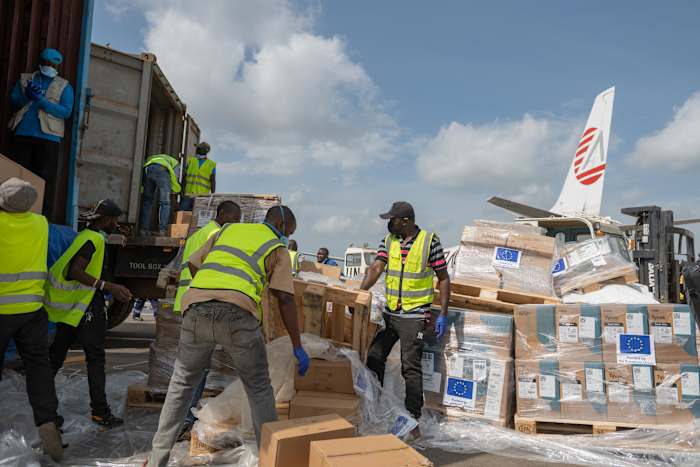
An Ebola vaccine is a delicate thing. It requires a continuous cold chain, kept at temperatures that feel alien in the equatorial heat. Transporting these vials across roads degraded by rain and controlled by dozens of shifting rebel factions requires immense logistical choreography. It requires negotiations with warlords just to let a cooler of medicine pass through a checkpoint.
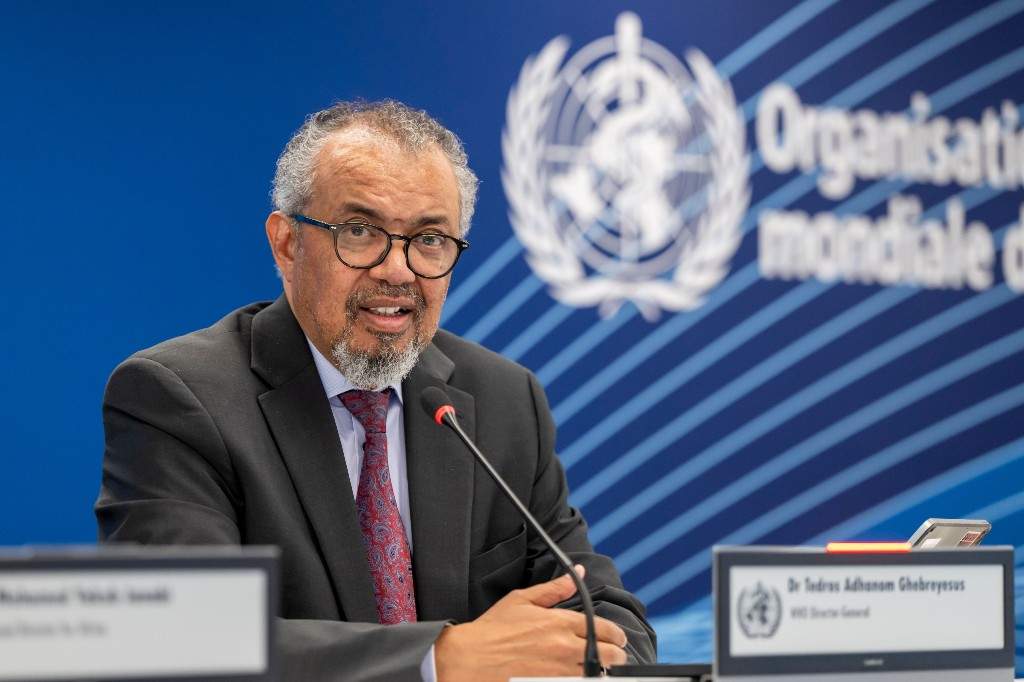
When the leadership of the World Health Organization begs for a cessation of hostilities, they are asking for a window of time. They are asking for forty-eight hours without gunfire so teams can enter a newly infected village. They are asking for a guarantee that a nurse can walk down a dirt path without a sniper rifle tracking her chest.
Without that peace, the math becomes catastrophic. The reproduction number of the virus—the average number of people infected by a single sick person—creeps upward. If that number stays above one, the outbreak expands. It bleeds toward the borders of Uganda, Rwanda, and South Sudan. It becomes a regional security crisis, then a global threat.
The Weight of the Choice
It is easy to look at these events from a distance and see them as a localized tragedy, a recurring headline from a troubled corner of the world. That is a dangerous delusion.
The health workers on the front lines are not just protecting the Congo; they are acting as a human shield for the rest of the planet. They are standing at the breach, trying to hold back a pathogen that knows nothing of sovereignty, treaties, or human rights.
When those workers are forced to retreat because of mortar fire, the breach widens.
The true cost of conflict is rarely measured in the immediate casualties of the battlefield. It is measured in the children who miss their measles vaccinations because the clinic was shelled. It is measured in the pregnant women who give birth in the dark because the hospital has no power. And it is measured in the silent, terrifying spread of an incurable virus through a population too terrified of bullets to notice the fever taking hold.
The demand for a ceasefire is a test of collective sanity. It forces a choice between the political theater of war and the basic biological survival of a community.
Imagine standing at the edge of that plastic-walled clinic. The mortar fire has stopped, replaced by a tense, suffocating silence. A young girl is brought to the gate by her older brother. She is hot to the touch, her eyes bloodshot and wide with an unspoken terror. The nurse steps forward, her gloved hands steady despite the adrenaline still coursing through her veins.
She doesn't know if the peace will last five minutes or five days. She just knows that right now, the needle is ready, the child is waiting, and the rest of the world is looking the other way.