Iran just threw a massive curveball at the White House, and it's not the one anyone expected. After sixty days of a brutal naval blockade and exchange of fire that's sent oil prices into the stratosphere, Tehran is offering to reopen the Strait of Hormuz. The catch? They want the U.S. to drop its blockade and end the war immediately, but they're refusing to talk about their nuclear program until some unspecified "later phase."
It’s a bold move, maybe even a desperate one. Iranian Foreign Minister Abbas Araghchi just finished a 72-hour diplomatic whirlwind, hitting Islamabad, Muscat, and St. Petersburg. He’s trying to build a coalition of "middle-man" nations to force Donald Trump’s hand. By separating the shipping lanes from the centrifuges, Iran is betting that the world’s hunger for cheap oil will outweigh Washington’s obsession with a nuclear-free Tehran.
The Hormuz Trap
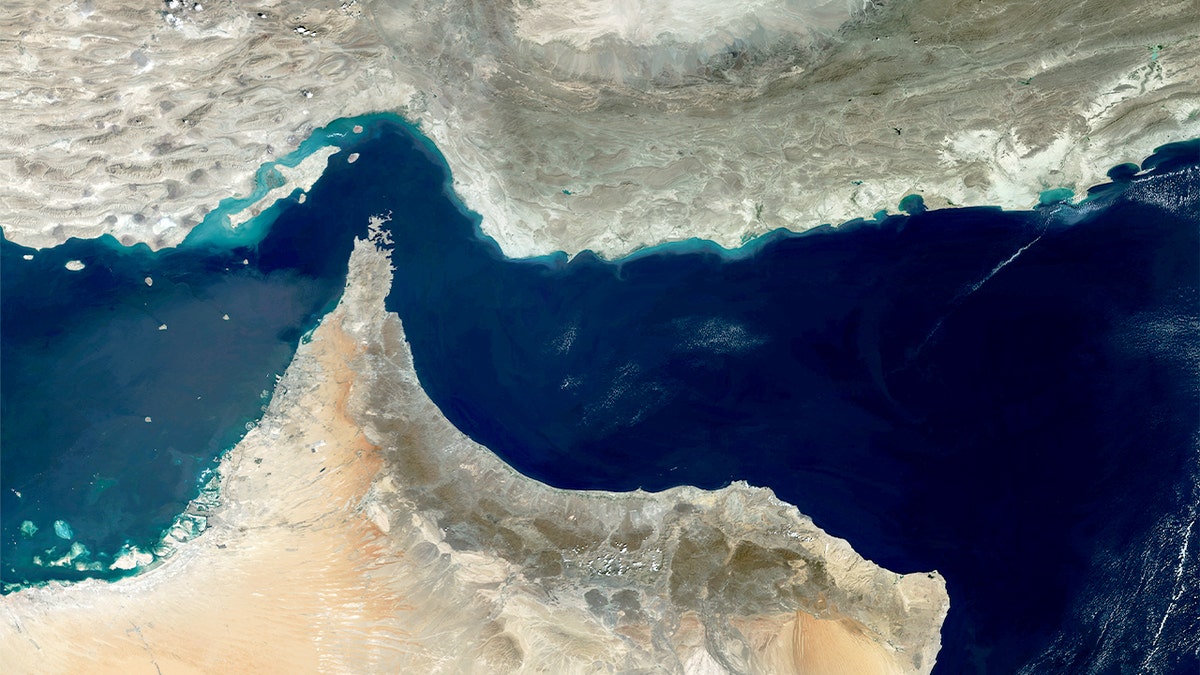
You have to look at the map to understand why this matters. Roughly 20% of the world’s oil flows through that narrow neck of water. Right now, it's a ghost town. Iran’s "chokehold" has effectively crippled the global energy market, and it’s hitting the U.S. at the worst possible time—right before the midterm elections.
Iran knows that high gas prices are political poison for Trump. By offering to "fix" the energy crisis without giving up their nuclear leverage, they're essentially testing the President's "America First" doctrine. Do you want cheap gas, or do you want to keep fighting a war over uranium?
The proposal, delivered through Pakistani mediators, breaks down into three phases. First, open the strait and lift the naval blockade. Second, formalize a ceasefire. Third—and this is where it gets fuzzy—talk about the nuclear issue. Honestly, "later" in diplomacy usually means "never."
Trump’s Counter and the Pakistani Pipeline
Trump isn't biting yet. Over the weekend, he called off a high-level trip to Islamabad for his envoys, Witkoff and Kushner. He took to Truth Social to vent, claiming the U.S. holds "all the cards" and that Iran is just stalling. On Sunday, he told Fox News that Iran’s oil infrastructure could "collapse within days" if he really let loose.
But here’s the thing—Pakistan is playing a massive role here. Prime Minister Shehbaz Sharif has been the primary bridge between Tehran and the White House. While Trump acts like he's done with the talks, he also mentioned he’d be open to a phone call. It’s classic "Art of the Deal" posturing. He’s keeping the pressure on the blockade while leaving the door cracked just enough for a last-minute breakthrough.
Why the Gulf States are Nervous
While Iran and the U.S. trade blows, the neighbors are sweating. Saudi Arabia and the UAE have seen their economies hammered by the maritime chaos.
- The UAE has been lobbying the UN for a force-authorized resolution to reopen the waterway.
- Oman is hosting secret talks with senior intelligence officials from across the region.
- Saudi Arabia has stayed relatively quiet but has signaled that its patience with Iranian missile fire is at an absolute zero.
The Gulf nations are stuck in a nightmare scenario. They don't want a nuclear Iran, but they also don't want their ports turned into a permanent war zone. Iran’s proposal to "de-link" the issues is tempting for Riyadh because it offers an immediate end to the economic bleeding. But they know that if the U.S. lifts the blockade without a nuclear deal, they'll be left facing a better-funded, nuclear-capable Iran in a few years.
Russia’s Role in the Background
Araghchi’s flight to St. Petersburg to meet Vladimir Putin wasn't just a courtesy call. Russia has been Iran’s primary backer throughout this conflict. By involving Moscow, Tehran is signaling that they have powerful friends who can help them weather the blockade.
Russia loves the high oil prices—it funds their own interests—but they don't want a total regional meltdown that could suck them into a direct confrontation with the U.S. Putin is likely acting as the "security guarantor" for Iran’s proposal, telling the West that if they don't take this deal, things will get much uglier.
What Happens Next
We’re at a stalemate that can't last. The U.S. military is currently deploying more Marines and airborne units to the region. Trump has stated the military stays until a "real agreement" is signed—one that includes "zero enrichment."
Iran is betting that the global economy will scream louder than the Pentagon. They think the "Hormuz Deal" is a win-win: the world gets oil, and they keep their nuclear program.
If you're watching this closely, keep an eye on the midterm election polling in the U.S. and the price of Brent Crude. If oil hits $120 a barrel and Trump’s poll numbers dip, the pressure to accept a "partial deal" will become almost unbearable. For now, the blockade stays, the strait remains closed, and the world waits to see who blinks first.
If you're an investor or just someone worried about your heating bill, start looking for alternative energy hedges. This conflict isn't ending with a neat bow—it's evolving into a long-term war of nerves.
Keep your eyes on the Islamabad-Muscat-Moscow diplomatic triangle. That’s where the real deal—or the next escalation—will be born.