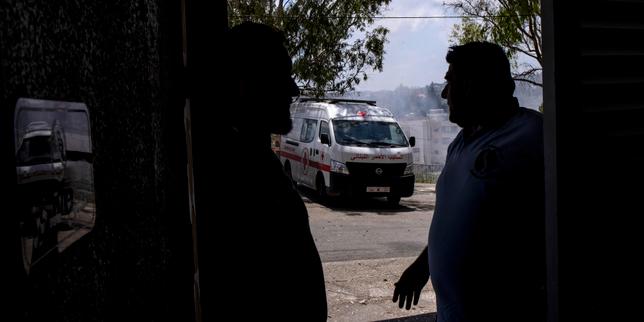
The fluorescent lights in the operating theater of Al-Najda Hospital do not blink. They hum. It is a fragile, stubborn sound, maintained by a diesel generator that thumps like an irregular heartbeat in the basement. Outside, the hills of southern Lebanon are alive with a different kind of thunder. The concussive thud of artillery and the sharp, tearing sound of airstrikes have become the background noise of medicine in Nabatiyeh.
To look at a map of the region is to see a grid of escalating violence. Blue lines, red zones, arrows indicating flight paths and rocket trajectories. But maps are flat. They lack the smell of scorched concrete, the metallic tang of blood on a linoleum floor, and the heavy, suffocating heat of a city that has largely emptied itself of human life.
Most people fled north weeks ago. They packed cars until the suspensions groaned, leaving behind locked doors and stray cats. But disease does not evacuate. Shrapnel does not check the political calendar before it tears through muscle and bone. When a community dissolves under the pressure of war, a hospital ceases to be merely a building with beds and surgical tools. It becomes an island. Al-Najda is exactly that: a lonely outpost of sanity anchored in a sea of fire, where the only objective that matters is keeping the next person who walks through the door alive for another hour.
The Geography of Isolation
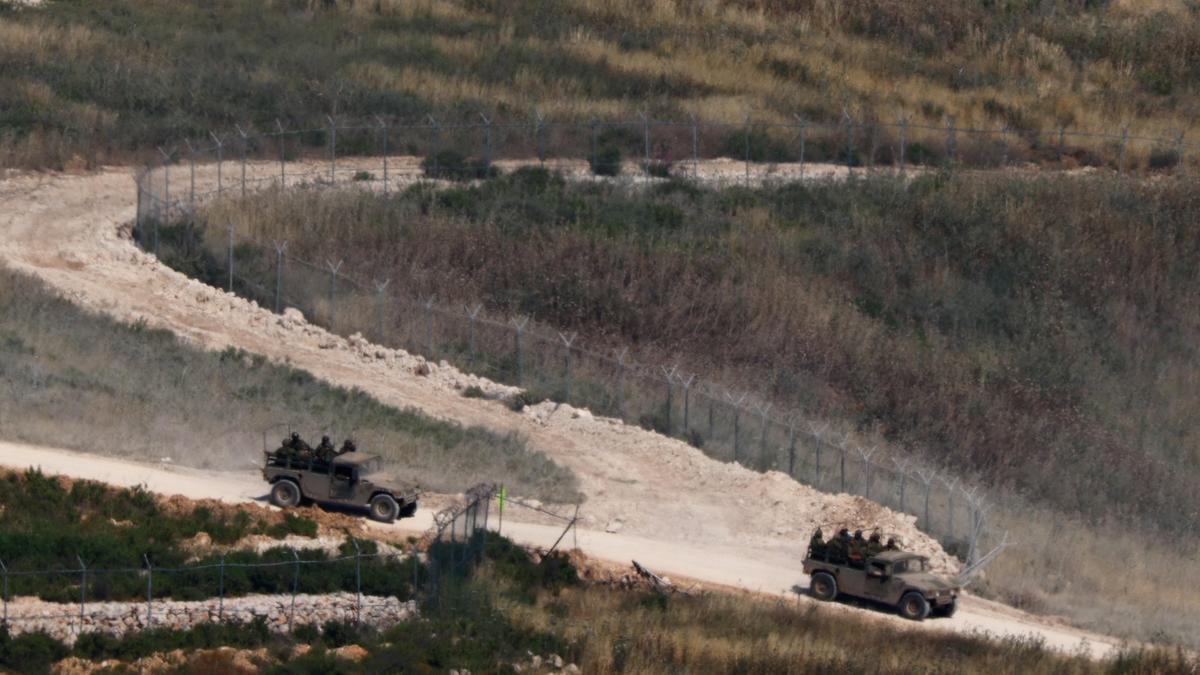
Nabatiyeh sits in a precarious position. It is large enough to be a vital hub for the surrounding villages, yet close enough to the shifting front lines of the conflict between Hezbollah and the Israeli military to be permanently caught in the crossfire. As the fighting intensified, the roads leading into the city turned into high-stakes gambles. Supply trucks carrying everything from oxygen cylinders to basic antibiotics must navigate routes that can change from tarmac to a cratered wasteland in a matter of minutes.
Consider what happens when a logistics chain breaks down in a war zone. It is not a sudden, dramatic collapse. It is a slow, agonizing constriction.
A delivery of saline bags is delayed by forty-eight hours because a checkpoint is closed. The hospital’s chief pharmacist looks at the remaining stock and begins to ration. Next, the fuel delivery fails to arrive. The generator, which consumes hundreds of liters of diesel every day to keep the incubators warm and the refrigerators cold, is switched to a conservation cycle. Hallways go dark. Air conditioning is sacrificed. The air inside the wards grows thick and stagnant, heavy with the scent of antiseptics and human sweat.
This isolation changes the very nature of medical decision-making. In a peaceful city, a doctor treats the patient in front of them with every resource available. In Al-Najda, every gauze pad used, every vial of painkiller administered, is a calculation against an uncertain tomorrow. The staff knows that the next ambulance could bring five casualties, or fifty.
The Ghost Shift
Walk down the corridors of the hospital at three o'clock in the morning. The silence is deceptive. It is interrupted periodically by the distant, dull crump of a detonation miles away, a sound that vibrates through the soles of your shoes before you actually hear it.
The people working here are exhausted. Their eyes are bloodshot, their movements mechanical. Many have not left the building in days, preferring to sleep on thin mattresses in the staff lounge rather than risk the drive home under a sky monitored by drones. They are not mythical heroes; they are terrified men and women who have simply decided that the alternative—leaving—is unacceptable.
Let us look at a hypothetical scenario to understand the daily math of survival here. Call her Nour. She is a nurse, thirty-two years old, born and raised in a village just ten miles from the hospital. Her family left for Beirut three weeks ago. They begged her to come with them. Every night, when the cellular network functions long enough to carry a text message, her mother sends the same plea: Come home. It is enough.
But Nour stays. Not because of a grand ideological conviction, but because of a specific bed in the intensive care unit. In that bed lies an elderly man discovered in the ruins of a collapsed home, suffering from severe respiratory distress and trauma. He has no identification. No one knows his name. If Nour leaves, the generator that powers his ventilator might fail, or his IV line might clog, and he will die anonymous and alone. To Nour, staying is a matter of maintaining a thread of human dignity in a place where life has been cheapened by geopolitical strategy.
This is the invisible burden of the medical staff. They are treating the wounds of a war they did not start, using resources they cannot replenish, while worrying about their own families scattered across a country in crisis. The psychological toll is a silent hemorrhage.
The Economics of a Red Zone
The financial reality of running a hospital in a conflict zone is bleak. Al-Najda, like many institutions in Lebanon, was already reeling from years of national economic collapse before the first missiles fell. The local currency had lost most of its value; savings accounts were frozen, and the cost of imported medical equipment had skyrocketed.
Now, add the premium of war.
- Fuel Costs: Diesel must be purchased on the black market when official channels dry up, with prices multiplying overnight.
- Staff Retention: With many doctors fleeing the country entirely, the remaining personnel must work double and triple shifts without guaranteed pay.
- Infrastructure Repair: Shrapnel breaks windows; vibrations crack water pipes. Maintenance becomes a constant act of improvisation.
The hospital cannot simply raise its prices. The patients arriving at its doors are refugees, farmers whose fields are now active combat zones, and families who left their life savings behind in ruined houses. The institution is operating on a deficit of cash but a surplus of necessity. It survives on a patchwork of international aid donations, local solidarity, and sheer willpower.
When the Battlefield Enters the Ward
The true crisis of Al-Najda is found in the blurring of lines. International humanitarian law dictates that hospitals are sacred spaces, neutral zones that must be protected at all costs. But in modern asymmetric warfare, neutrality is a luxury that is easily eroded.
The sounds of combat are a constant psychological siege. When an airstrike hits a target a few hundred meters away, the entire structure of the hospital shudders. Plaster dust drifts down from the ceiling like a mockery of snow, settling on sterile surgical trays. The windows, taped with thick X-shapes to prevent shattering, rattle violently in their frames.
In those moments, the hierarchy of the hospital collapses. Doctors, nurses, and patients all share the same primitive fear. The surgeon must keep his hand steady while the floor beneath him moves. The nurse must soothe a crying child while her own heart is hammering against her ribs.
The patients themselves reflect the complex reality of the southern border. There are victims of collateral damage—children struck by flying glass, elderly women who suffered heart attacks from the sheer shock of explosions. And occasionally, there are the combatants. The medical oath does not allow for political screening. A body torn by metal is simply a body that needs to be mended, regardless of the uniform or affiliation. This adherence to pure medical ethics is dangerous work; it invites scrutiny and suspicion from all sides of the conflict.
The Mechanics of Hope
How does an institution survive under these conditions? It happens through a thousands of small, uncelebrated acts of ingenuity.
When the specialized orthopedic pins run out, the maintenance team finds ways to sterilize and repurpose older equipment. When the main water line is severed by an explosion, the staff organizes a bucket brigade from an old well on the property to keep the toilets functioning and the floors clean. There is no manual for this. It is the spontaneous architecture of survival.
The tragedy of Nabatiyeh is not just the immediate destruction of buildings or the loss of life. It is the systemic unraveling of a community's future. Every child born in Al-Najda today enters a world where the first sound they hear might be an explosion. Every elderly patient who dies here is buried hastily in a cemetery that is itself under threat of bombardment.
Yet, despite the dust, the fear, and the isolation, the doors of Al-Najda remain unlocked. The red crescent or cross on the roof is faded, bleached by the Mediterranean sun, but it still signifies something vital to those who look toward the city from the surrounding hills. It means that there is still a place where human life is valued above tactical advantage.
As evening falls over Nabatiyeh, the smoke from the afternoon's bombardments mingles with the twilight haze. The generator in the basement of Al-Najda kicks into a higher gear, its steady, rumbling cough echoing through the empty streets. Inside, a nurse adjusts the drip of an IV bag, her face illuminated by the pale light of a single monitor. The city outside is dark, abandoned to the shadows and the machinery of war, but on this small island of concrete and courage, the light stays on.