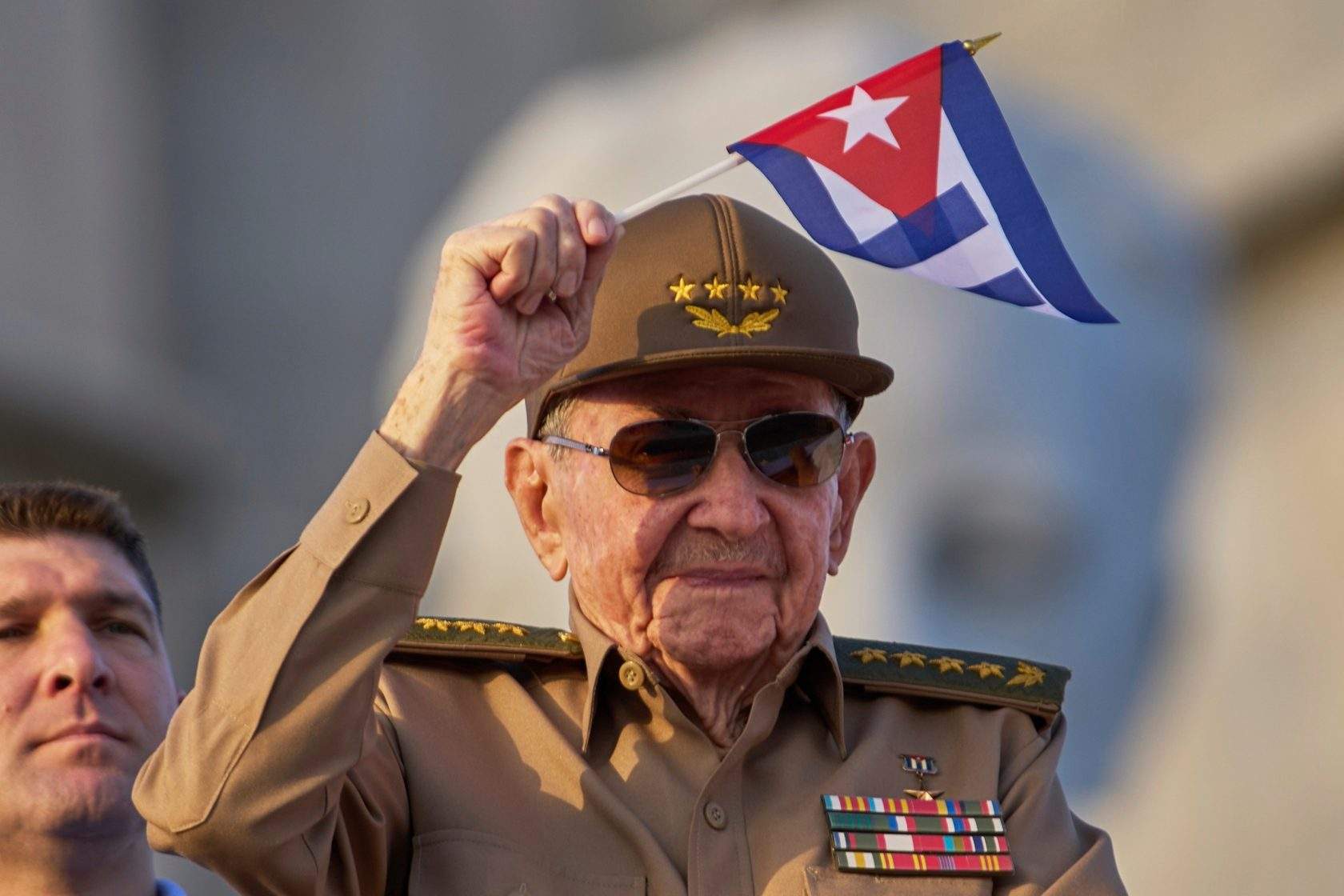
The federal indictment of 94-year-old former Cuban President Raúl Castro in Miami marks a structural transition from diplomatic containment to extraterritorial judicial enforcement. Unsealed on May 20, 2026, the superseding indictment charges Castro and five co-defendants with conspiracy to kill U.S. nationals, four counts of murder, and two counts of destruction of aircraft. This legal maneuver addresses a 30-year-old geopolitical flashpoint: the February 24, 1996, shoot-down of two civilian Cessna aircraft operated by the Miami-based exile organization Brothers to the Rescue (BTTR).
By analyzing the legal frameworks, operational precedents, and systemic pressures involved, we can map the true strategic calculus driving this escalation. This action is not merely a symbolic historical reckoning; it is a calculated deployment of U.S. domestic law designed to accelerate state collapse in Havana.
The Operational Mechanics of the Indictment
The technical core of the Department of Justice's case rests on the chain of command in place during the 1996 incident. At the time, Raúl Castro served as Cuba’s Minister of the Revolutionary Armed Forces (FAR). The indictment asserts that Castro directly authorized MiG-29 fighter jets to fire air-to-air missiles at the civilian aircraft over international waters, resulting in the deaths of four men: Armando Alejandre Jr., Carlos Costa, Mario de la Peña, and Pablo Morales.
To understand the legal structural viability of this case, three distinct legal vulnerabilities must be evaluated:
- Jurisdictional Assertions: The U.S. asserts jurisdiction based on the status of the victims as U.S. nationals and the location of the shoot-down. While Cuba has historically maintained the aircraft violated its sovereign airspace, international investigations, including those by the International Civil Aviation Organization (ICAO), concluded the intercept occurred in international airspace.
- The Sovereign Immunity Bottleneck: Under international law, heads of state typically enjoy immunity from foreign criminal prosecution. However, Castro stepped down as president in 2018 and resigned as First Secretary of the Communist Party of Cuba in 2021. This formal retirement strips away basic diplomatic head-of-state immunities, leaving him vulnerable to external statutory prosecution.
- The Statute of Limitations Loophole: While ordinary federal offenses carry a five-year statute of limitations, federal capital offenses—specifically first-degree murder and conspiracy to commit murder—have no expiration timeline under U.S. law, allowing a 1996 event to form the basis of a 2026 criminal trial.
The Regime Change Playbook: The Maduro Precedent
This legal strategy mirrors a specific operational blueprint established by U.S. actions in South America. The Trump administration’s strategy uses criminal indictments as a baseline justification for active, kinetic regime intervention.
The closest structural analog is the prior drug-trafficking indictment of Venezuelan President Nicolás Maduro. That indictment served as the direct legal foundation for the January military-intelligence raid that captured Maduro and transferred him to a federal detention facility in New York. By treating foreign heads of state as transnational criminal defendants rather than sovereign political actors, Washington achieves two distinct strategic objectives:
[U.S. Indictment of Foreign Leader]
               │
               ├─► De-legitimization (Strips diplomatic status, blocks global financial rails)
               │
               └─► Kinetic Enforcement Option (Establishes domestic domestic legal authority for capture)
First, the move strips the target regime of its political legitimacy. It shifts the international conversation from a bilateral diplomatic dispute to a matter of global law enforcement. This shift blocks normal diplomatic off-ramps and complicates the efforts of third-party nations to mediate or provide financial lifelines to the targeted state.
Second, it establishes the domestic legal authorization for future capture operations. Once a federal arrest warrant is issued, U.S. intelligence and military assets possess a domestic mandate to execute that warrant if an operational window opens, whether through territorial incursions, airspace intercepts, or cooperation with internal defectors.
The Economic and Kinetic Coercion Matrix
The timing of this indictment aligns with severe economic and systemic volatility inside Cuba. The island is experiencing its most acute economic crisis since the collapse of the Soviet Union, driven by structural energy shortfalls and aggressive U.S. economic policy.
The strategy utilizes a multi-layered containment matrix designed to trigger domestic systemic collapse through three compounding variables:
1. The Fuel Supply Blockade
The U.S. has enforced an embargo that targets international shipping entities transporting fuel to the island. By penalizing foreign tankers and cutting off Venezuela’s subsidized oil shipments, Washington has restricted Cuba’s fuel imports, driving the state’s electrical grid into structural failure.
2. Infrastructure Failure and Civil Unrest
The lack of fuel has caused rolling blackouts across Havana and outlying provinces. This infrastructure failure disables basic refrigeration, water distribution, and domestic manufacturing, shifting public sentiment from passive dissatisfaction to open civil unrest and protests.
3. Diplomatic Ultimatums
A rare, unpublicized visit to Havana by CIA Director John Ratcliffe delivered an explicit message from the executive branch: the United States will only engage in economic or security normalization if the Cuban government implements immediate, fundamental systemic reforms. The unsealing of the Castro indictment two days later functions as the enforcement mechanism for that ultimatum.
Systemic Risks and Strategic Limitations
Despite its high political impact, the deployment of this legal framework carries significant strategic risks and operational bottlenecks. The assumption that judicial pressure will force an internal coup or a transition to democracy overlooks the structural survival mechanics of the Cuban state.
The primary limitation is the lack of a realistic extradition mechanism. Raúl Castro resides within a militarized sovereign state that maintains total control over its domestic security apparatus. Barring a complete collapse of the internal command structure or a direct U.S. military invasion, the probability of Castro standing trial in a Miami courtroom remains low.
Furthermore, this strategy risks hardening the internal resolve of the ruling elite. When the U.S. signals that retirement or political concession does not shield former leaders from lifelong criminal liability, it removes any incentive for senior regime officials to negotiate a peaceful transition of power. Instead, it creates a fortress mentality, forcing the ruling class to maintain control at any cost to avoid federal prosecution abroad.
The Next Phase of Coercion
The unsealing of this indictment indicates that U.S. policy toward Cuba has shifted away from passive containment and economic isolation toward active legal degradation. The strategy is designed to signal to the remaining elements of the Cuban military and political apparatus that the current system's architecture offers no long-term stability or personal safety.
The next tactical step will involve monitoring the internal stability of Cuba's security forces. If the combination of blackouts, hyperinflation, and external legal threats causes cracks in the mid-level officer corps, the indictment provides the legal framework needed to offer immunity to defectors who assist in a transition. If the regime maintains its internal cohesion, this indictment will lock both nations into a prolonged stand-off, ruling out any diplomatic compromise and making a volatile internal collapse the only remaining path forward.


