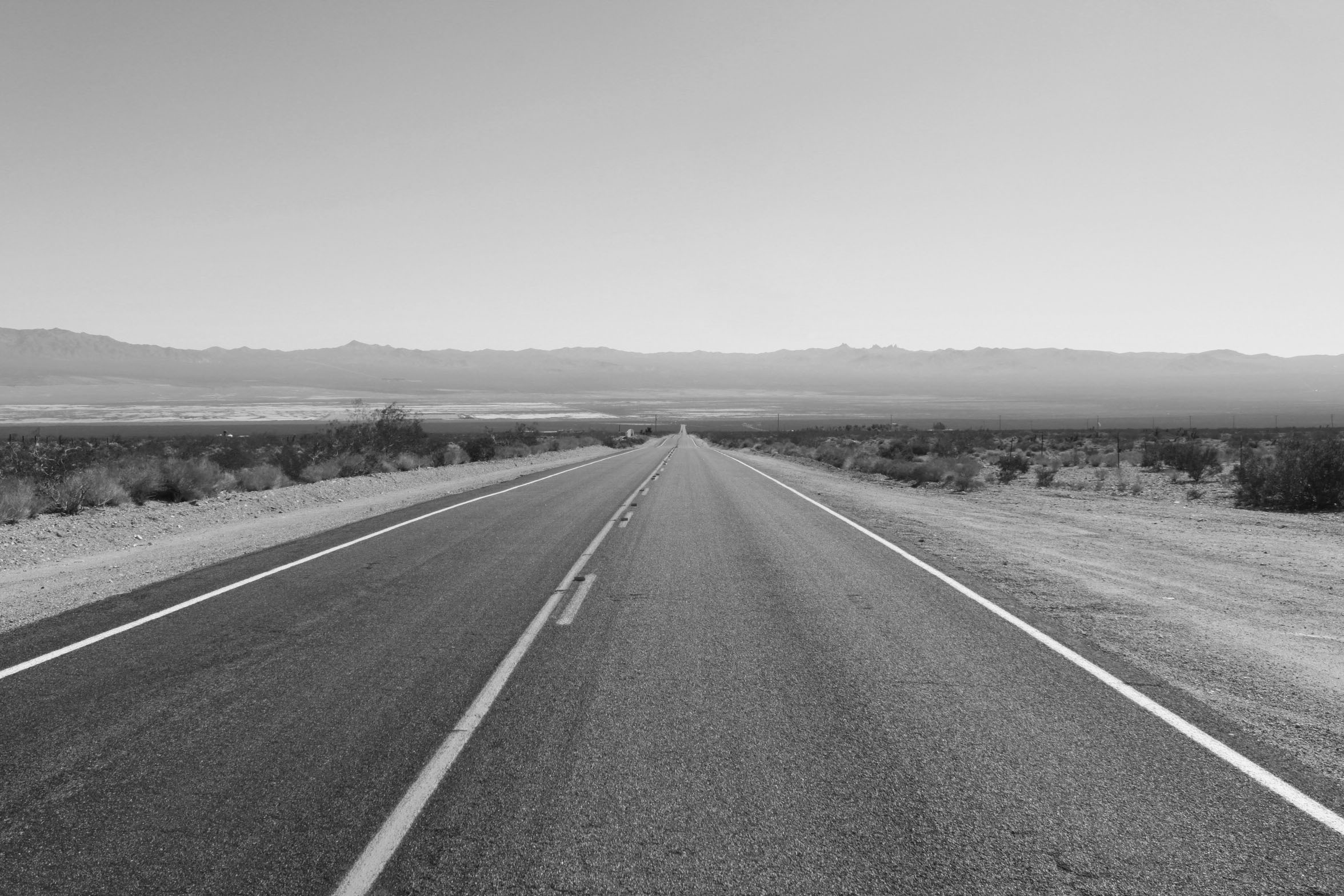
The silence of a stopped engine is usually peaceful. But on the coastal highway leading south from Beirut, the silence was a ghost. It was replaced by the rhythmic thump-thump of tires passing over fissures in the asphalt, the scars of months of aerial bombardment. Thousands of cars, trucks, and motorbikes sat bumper-to-bumper, a metallic river flowing against the tide of logic. The ceasefire had only been official for a few hours. The ink was barely dry, the echoes of the last strikes still ringing in the valleys, yet the South was calling its children back with a pull stronger than fear.
Consider Hassan. He is a hypothetical composite of the dozens of men seen strapping mattresses to the roofs of aging Mercedes sedans, but his eyes reflect a very real, very specific exhaustion. For two months, he lived in a classroom in a public school in Beirut. He shared a floor with twelve relatives. He ate canned tuna and bread. He watched the news on a cracked smartphone screen, squinting at satellite footage to see if the grey smudge on a map was his neighborhood or the one next to it.
When the news of the truce broke at 4:00 AM, he didn’t wait for the sun. He didn't wait for a safety clearance from the military. He simply turned the key.
The Geography of Memory
The drive from Beirut to Tyre or Nabatieh is normally a scenic stretch of Mediterranean blue and olive-green hills. Today, it is a gauntlet of uncertainty. The Lebanese Army has set up checkpoints, their faces a mask of professional caution as they watch the exodus. They know what lies ahead even if the families in the cars are choosing to look past it.
The stakes here aren't just about territory or geopolitical shifting. They are about the kitchen table. They are about the olive trees that needed harvesting weeks ago and now drop their fruit into the dust. People aren't rushing back because the danger is gone; they are rushing back because the temporary life of a displaced person is a slow erosion of the soul. To be a refugee in your own country is to be a ghost in someone else's house.
As the cars crawl south, the landscape begins to change. The buildings don't just look old; they look wounded. Concrete slabs hang by rusted rebar like frozen waterfalls. The air carries a specific scent—a mixture of pulverized stone, burnt plastic, and the damp smell of interiors exposed to the elements for too long.
The Arithmetic of Loss
Statistics tell us that over 1.2 million people were displaced during this escalation. That is a sterile number. It fits neatly into a UN report. But the reality is the woman in the passenger seat of the car next to you, clutching a birdcage with a silent canary because it was the only thing she could grab when the drones began to hum.
The "dry" facts of a ceasefire agreement usually focus on withdrawal distances, monitoring committees, and buffer zones. These are the skeleton of peace. The flesh and blood are the thousands of liters of fuel being burned in this massive traffic jam. Each idling engine represents a family betting their entire future on a fragile promise made by men in suits hundreds of miles away.
The risk is objective. Unexploded ordnance litters the fields. Buildings that look upright may have compromised foundations, waiting for a single footfall to give way. Yet, the momentum is irreversible. There is a psychological threshold that, once crossed, makes the prospect of staying in a shelter feel more dangerous than a literal minefield.
A Homecoming Without a Home
When the first wave of cars reaches the outskirts of the southern villages, the celebration is muted. There are no cheers. There is only the sound of doors opening and feet hitting the dirt.
A family pulls up to a plot of land where a three-story house stood in September. Now, it is a mound of grey dust and shattered porcelain. The father walks to the edge of the debris. He doesn't cry immediately. He looks for something small. A specific tile. A piece of a doorframe. He is checking the pulse of his former life.
This is the invisible cost of the conflict. It isn’t just the structural damage, which is estimated in the billions. It is the collapse of the "place." When your home is erased, your sense of sequence is broken. You no longer have a "before" and "after" that makes sense. You only have the "now," and the "now" is a pile of rocks.
Despite this, people are already clearing debris with their bare hands. They aren't waiting for NGOs or government compensation. They are moving stones because moving stones is an act of defiance. It is a way of saying that the land belongs to the person who stays, not the person who has the biggest bomb.
The Fragility of the Quiet
The ceasefire is a breathing room, not a cure. The geopolitical tensions that fueled the fire remain unresolved, simmering just beneath the surface of the diplomatic language. The Lebanese people know this better than anyone. They have lived through 1978, 1982, 1996, and 2006. They are experts in the anatomy of a pause.
They know that "peace" in this part of the world is often just the time it takes to reload.
But for the mother hanging laundry on a line strung between two charred pillars, the "why" doesn't matter as much as the "where." She is back. The Mediterranean breeze still carries the salt of the sea, even if it passes through a shattered window. The soil is still there.
As night falls over the South, the lights are few. The power grid is a memory. But here and there, the glow of a flashlight or a small gas stove flickers in the darkness. These are the new stars of the Lebanese south. Each one represents a family that refused to stay away. Each one is a tiny, flickering middle finger to the concept of permanent displacement.
The highway back to Beirut is nearly empty now. The lights are all pointing South. The road is broken, the houses are gone, and the future is a question mark written in smoke. But the people are home.
A young boy sits on a plastic chair in the middle of a dusty yard, eating a piece of pita bread. Behind him, the skeletal remains of his school loom in the moonlight. He isn't looking at the ruins. He is looking at his father, who is currently trying to fix a broken water pipe with a piece of string and a prayer. The water starts to drip. Then it flows. In the middle of a wasteland, the sound of running water is the loudest thing in the world.