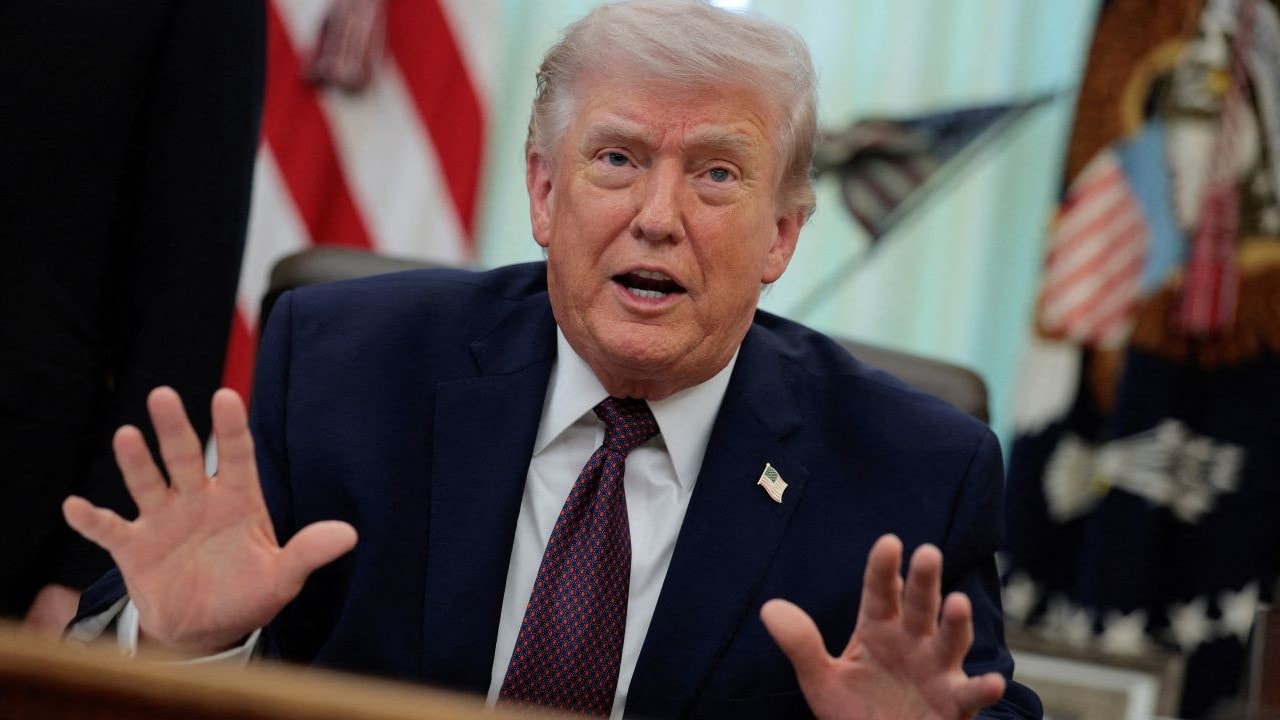
The lights are flickering in Havana, and the reason depends entirely on who you ask in Washington or the Caribbean. U.S. Secretary of State Marco Rubio stood at a White House podium this week and told the world there's no oil blockade on Cuba. He argued that the island's energy nightmare is just a case of "incompetent communists" losing their free ride from Venezuela. But if you look at the executive orders signed by President Trump this year, Rubio’s story starts to leak faster than a rusted tanker.
Honestly, calling it a simple disagreement over "free oil" ignores the massive legal wall Washington has built around the island since January 2026. While Rubio claims Venezuela just stopped giving away the goods, he's conveniently leaving out the part where the U.S. threatened to slap massive tariffs on any country that dares to send a single drop of crude to Cuba. It's not just a policy shift; it's a financial siege.
The math behind the blackout
Rubio’s main point is that Venezuela used to provide 60% of Cuba's oil for free, which the Cuban government then resold for cash. He’s using this to frame the current crisis as a purely internal failure. While it’s true that the Cuba-Venezuela barter system—trading doctors for oil—has been the island's lifeline for decades, the current shortage isn't just about a "breakup" between allies.
Since the U.S. military operation in Venezuela in early January, the flow of oil hasn't just slowed; it's effectively stopped. Between January and May 2026, only one Russian tanker managed to dock in Cuba. That’s one ship in four months for a country of 11 million people. You don't get those kinds of numbers from a simple market shift. You get them when global shipping companies are terrified of being blacklisted by the world's largest economy.
Sanctions that act like a fence
The reality on the ground contradicts the "no blockade" narrative.
- Tariff Threats: The January 29 executive order explicitly targets any nation providing oil to Cuba with U.S. tariffs.
- Secondary Sanctions: New measures signed in May 2026 target foreign banks that handle Cuban energy transactions.
- Shipping Intimidation: Most commercial vessels won't touch Cuban ports because they fear losing access to U.S. waters or being hit with crippling fines.
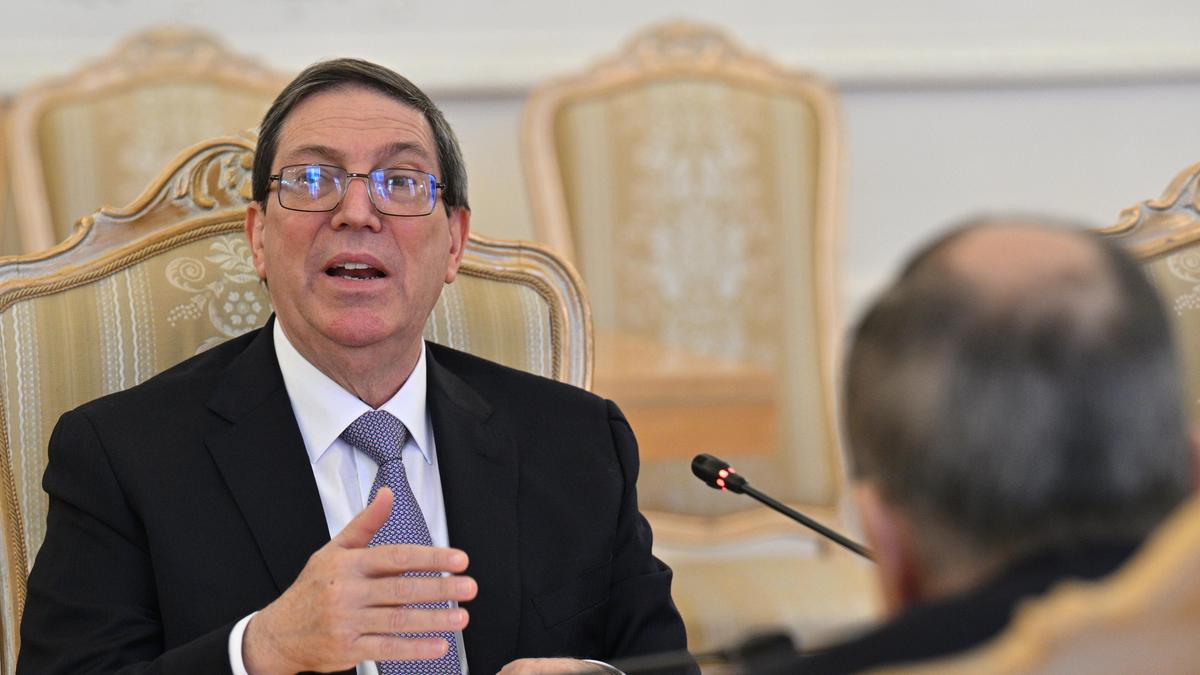
Foreign Minister Bruno Rodriguez didn't mince words in his response. He called Rubio a liar, pointing out that the Secretary’s comments directly contradict the very executive orders the Trump administration is bragging about. Rodriguez noted that suppliers are being "intimidated and threatened," which is the definition of a blockade in everything but name.
Living in the dark
For people in Havana or Santiago, the debate over the word "blockade" feels pretty academic when the power is out for 18 hours a day. President Miguel Díaz-Canel has been forced to admit that the island is running on fumes. They've pivoted to natural gas and limited solar power, but those aren't enough to run a national grid.
I’ve seen reports of record-breaking blackouts. Public transportation has basically vanished because there's no diesel for the buses. The Cuban government is trying to spin this as a moment of "creative resistance," but you can't create energy out of thin air. They're rationing everything, trying to keep hospitals and food storage running while the rest of the country sits in the dark.
The Vatican connection
Interestingly, while Rubio is playing hardball at the podium, he's also heading to the Vatican to meet with Pope Leo. The U.S. is reportedly trying to find a way to send humanitarian aid—food and medicine—through the Catholic Church to bypass the Cuban government entirely. It’s a classic carrot-and-stick move. The U.S. chokes the energy sector with one hand and offers "charity" with the other, provided they can control the distribution.
Rubio calls the Cuban leadership "failed," but the administration is clearly worried about the optics of a total humanitarian collapse 90 miles from Florida. They want the regime to fold, but they don't want a massive migration crisis on their doorstep. It's a high-stakes game of chicken where the Cuban people are the ones getting squeezed.
What happens next
Don't expect the rhetoric to cool down. Trump has already hinted that the USS Abraham Lincoln might make a "stop" off the Cuban coast to drive the point home. If you're following this, watch the shipping lanes. If that one Russian tanker remains an outlier, the "no blockade" claim will be impossible for Rubio to maintain.
If you want to understand the real impact, keep an eye on the fuel prices in the Caribbean and the frequency of "technical failures" in Cuba's aging power plants. The diplomatic war of words is just the surface; the real story is in the empty gas tanks and silent factories across the island.
Cuba Rejects US No-Oil-Blockade Claim
This video provides the direct context of the U.S. State Department's stance and the specific arguments Rubio is using to justify the current policy toward Cuba.
http://googleusercontent.com/youtube_content/1