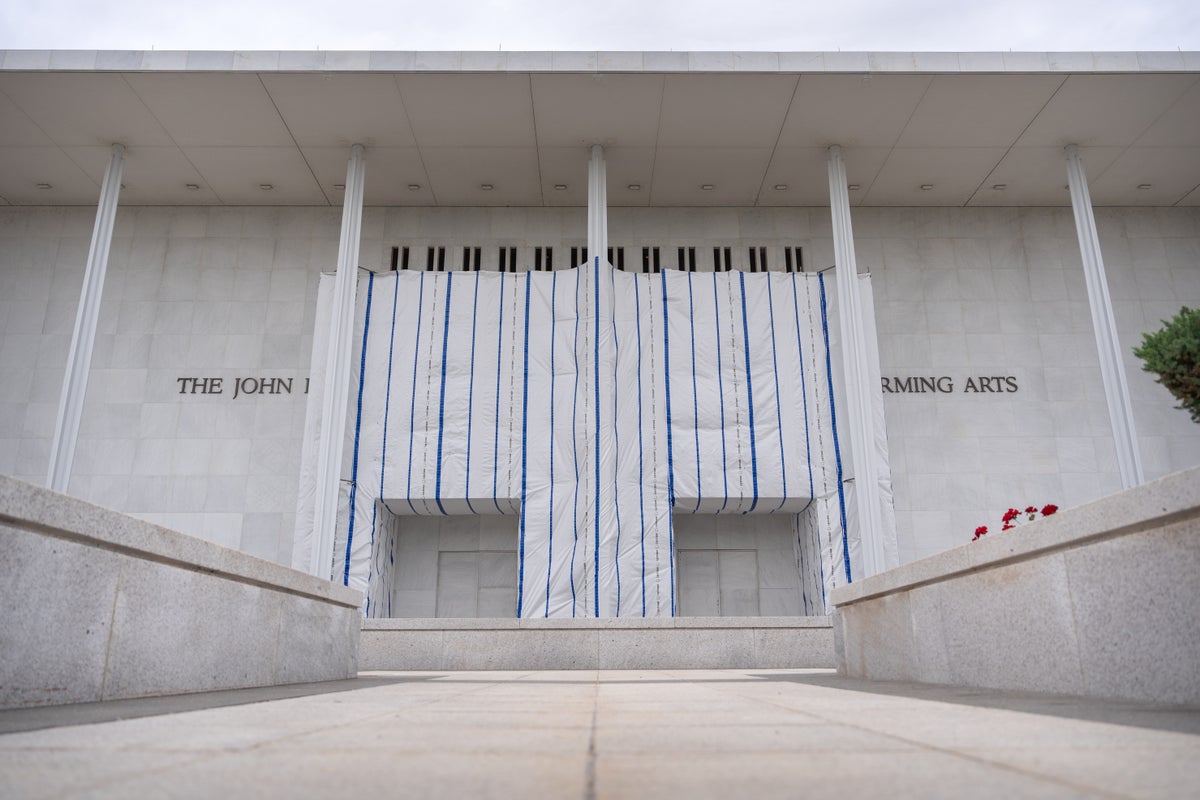
The Kennedy Center just announced Bill Maher as the next recipient of the Mark Twain Prize for American Humor. The mainstream press is already running the predictable playbooks. They are calling it a "pivotal moment for free speech" and celebrating a "fearless iconoclast" who spent decades "speaking truth to power."
They are entirely wrong.
Awarding the Mark Twain Prize to Bill Maher is not a victory for dangerous, edgy comedy. It is the ultimate proof that modern political satire has been completely domesticated. When the Washington, D.C. establishment invites you into their premier cultural cathedral to hand you a bronze bust of a legendary anti-imperialist, you have not successfully challenged the status quo. You have become its court jester.
True satire is supposed to make the powerful uncomfortable. Instead, we are about to watch an auditorium filled with the exact politicians, lobbyists, and media elites Maher purports to mock stand up and give him a polite round of applause. The system is not being dismantled; it is taking a victory lap.
The Lazy Consensus of "Both-Sides" Iconoclasm
The defense of Maher usually boils down to a single argument: He offends everyone.
Commentators love to point out that he alienates liberals with his stances on cancel culture and religion, while infuriating conservatives with his positions on climate change and Donald Trump. This is praised as a rare form of intellectual independence.
Let’s dismantle that premise. There is a massive structural difference between being an independent thinker and simply operating a highly profitable contrarian business model. Maher does not offer a radical critique of power. He offers a curated playlist of boomer grievances mixed with Beltway conventional wisdom.
I have spent twenty years watching how media narratives are manufactured from the inside. The most lucrative position in political commentary is not being a partisan hack; it is playing the role of the "reasonable centrist" who claims everyone else has gone crazy. It allows you to claim the moral high ground without ever risking anything substantial.
When Mark Twain wrote The War Prayer, it was so genuinely subversive and devastating to the American imperial mindset that it could not be published until after his death. Twain risked his social standing and his commercial viability to attack the core assumptions of his era. Maher risks absolutely nothing. He tapes a show in front of a heavily vetted, compliant audience, retreats to a private jet, and collects a massive paycheck.
The Mechanics of Safe Subversion
To understand why this award is a misfire, we have to look at the actual mechanics of Maher’s comedy. True satire utilizes irony, caricature, and parody to expose structural corruption. It punches up at the architecture of power.
Maher’s brand of humor has increasingly transitioned into punching down at cultural anxieties.
- The Gen Z Obscenity: A massive portion of his recent monologues relies on complaining that twenty-year-olds are too sensitive or do not understand how the world works.
- The Crypto-Elite Defensiveness: He routinely defends billionaires and tech titans under the guise of protecting meritocracy.
- The Institutional Comfort: His show, Real Time, does not challenge the political establishment; it functions as a mandatory stop on the book tour for that exact establishment.
Imagine a scenario where a Roman emperor gives an award to a gladiator who only fights the weakest opponents in the arena. That is what the Kennedy Center is doing. They are honoring a version of comedy that poses zero threat to the people sitting in the VIP boxes.
When you strip away the weed jokes and the feigned exasperation, Maher’s worldview is incredibly conventional. He believes the institutions of American power are fundamentally sound, if only the people running them would stop being so annoying on Twitter. That is not the philosophy of a rebel. That is the philosophy of a country club member complaining about the new clubhouse rules.
The Illusion of the Dangerous Broadcaster
The media loves to romanticize Maher’s 2002 cancellation from ABC following his comments after 9/11. That event is constantly cited as his badge of honor, proof that he is "too hot for network television."
But let’s look at the actual trajectory of that career move. Getting kicked off ABC was the best thing that ever happened to his net worth and his brand longevity. He moved to premium cable, where he could curse, smoking marijuana on camera, and appeal directly to a self-selected audience that already agreed with his fundamental worldview.
This brings us to the core flaw in how we measure "fearless" comedy today. We mistake vulgarity for bravery.
Saying a swear word on HBO or attacking a soft cultural target like "wokeness" does not require courage in 2026. It requires a marketing budget. The real heavy hitters of satire—the ones who actually moved the needle—did not build empires by echoing the complaints of wealthy, older elites. They were outsiders. Maher is the ultimate insider. He is a fixture of the Hollywood-Washington axis, an elite who berates the public for not being as sophisticated as he is.
The Mark Twain Legacy Deserves Better
We need to stop grading political comedy on a curve. The PAA (People Also Ask) metrics for comedy awards frequently ask: What makes a comedian worthy of the Mark Twain Prize?
The institutional answer is "a significant impact on American society." But we have confused "impact" with "longevity." Maher has been on television for a very long time, yes. But longevity is often just a byproduct of safety. If you don't actually threaten the money supply or the political stability of your network’s parent company, you get to stay on the air forever.
The real tragedy here is the dilution of Twain’s name. Twain used humor as a scalpel to cut through the hypocrisy of the American empire, racism, and gilded-age greed. Maher uses humor as a cudgel to defend the status quo against perceived cultural annoyances. One was an agitator; the other is a preservationist.
If the Kennedy Center actually wanted to honor the spirit of Mark Twain, they would look at creators who are currently operating on the fringes, risking their platforms, and making audiences genuinely uncomfortable without the safety net of a multi-million dollar cable contract. They won't do that, because the Kennedy Center is an organ of state culture, and state culture requires predictable, institutionalized rebellion.
Stop pretending this award is a win for the First Amendment. It is a retirement party for a brand of satire that stopped being dangerous decades ago. Bill Maher didn't change the system; the system bought him out, put a tuxedo on him, and handed him a trophy for keeping the conversation exactly where they want it.