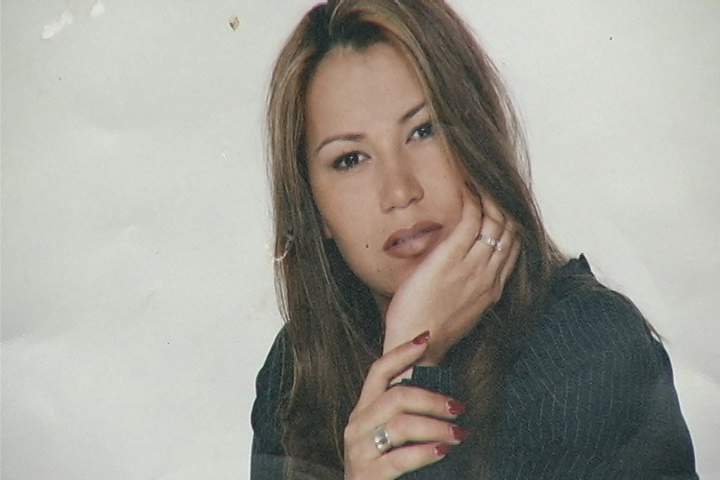
Two decades is an eternity to hold your breath. For the family of Rachel Russell, it's been nearly twenty years of unanswered questions, frozen grief, and a chilling silence from the justice system. Rachel, a 28-year-old Indigenous woman, was brutally killed in late October 2007. Her body was found weeks later along the train tracks east of Ontario Street in Cobourg, Ontario. The post-mortem examination dropped a devastating truth: blunt force trauma. Someone beat her to death and left her by the tracks.
I find it staggering that after all this time, the trail remains frozen. Rachel's sister, Cindy Russell, recently shared that she still cries every single time she thinks about her. The family hasn't stopped talking about Rachel. They keep her memory alive, but they are stuck in a horrific limbo. The Ontario Provincial Police recently renewed their calls for tips, proving that law enforcement is still scratching for answers. This isn't just a cold case. It's a glaring reminder of a systemic crisis that Canada handles terribly.
The Cold Hard Reality of the MUMIP Report
Rachel Russell isn't an isolated statistic. She's one of dozens of individuals highlighted in the newly updated Missing and Unsolved Murdered Indigenous People report issued by the OPP. This tracker looks closely at unsolved homicides and missing persons cases within provincial police jurisdiction dating back to 1956.
The numbers reveal an uncomfortable, lopsided reality. Out of 59 core active investigations in the updated provincial database, 14 involve Indigenous women and girls. Eight of those are open homicides, and one is classified as a highly suspicious death. The remaining cases involve Indigenous men and boys, showcasing a widespread vulnerability across communities.
The report exists to align with recommendations from the National Inquiry into Missing and Murdered Indigenous Women and Girls. Yet, having your name printed in a police document doesn't bring handcuffs to a killer's wrists. It just formalizes the heartbreak.
What True Justice Requires Beyond Police Files
The problem with data drops and policy updates is that they rarely shift the needle on the ground. Western police frameworks historically struggle to solve crimes in marginalized spaces because trust was shattered decades ago. Right now, families of victims are demanding a complete overhaul of how Canada manages the crisis.
Activists and grieving relatives are pushing senior federal officials to redirect funds away from bloated national organizations. They want resources channeled directly into a family-led trust. The sentiment from the ground is raw and direct: no more about us without us. Families are tired of being consulted for photo opportunities while millions of dollars get sucked into administrative vacuums. They want to lead the search for their missing sisters, daughters, and mothers.
Genuinely addressing these cold cases requires an intentional pivot toward grassroots funding. Trust has been completely eroded by years of closed-door bureaucracy. If the government keeps funding the same top-heavy systems, families will still be begging for basic updates twenty years from now.
How to Help Close Rachel Russell's Case
Solving a two-decade-old murder doesn't require a cinematic confession. It usually hinges on a tiny, seemingly insignificant piece of information that someone has been sitting on out of fear, guilt, or simple forgetfulness. Investigators aren't looking for earth-shattering revelations; they need the final puzzle piece.
If you lived in or visited the Cobourg area around late October or early November 2007, think back to what you saw. Rachel was last seen alive on October 25, 2007. Did you notice anything unusual near the railway tracks east of Ontario Street? Did someone change their behavior abruptly around that time?
You don't have to walk into a police station to speak up. You can take direct action safely:
- Call the Ontario Centre for Missing Persons and Unidentified Remains tip line at 1-877-9-FINDME.
- Submit an entirely anonymous tip through Crime Stoppers at 1-800-222-TIPS.
- Share Rachel's story on social media to keep her face in the public eye.
The silence has lasted long enough. Rachel's family deserves to know who walked away from those train tracks in 2007.
Police release stats on missing Indigenous people This news broadcast highlights the broader context of the newly released police report on unsolved murders and disappearances affecting Indigenous communities in Ontario.


