Washington just got a status update on its war with Iran, and the picture looks vastly different depending on whether you are looking at a map of the ocean floor or checking the price of oil at the pump.
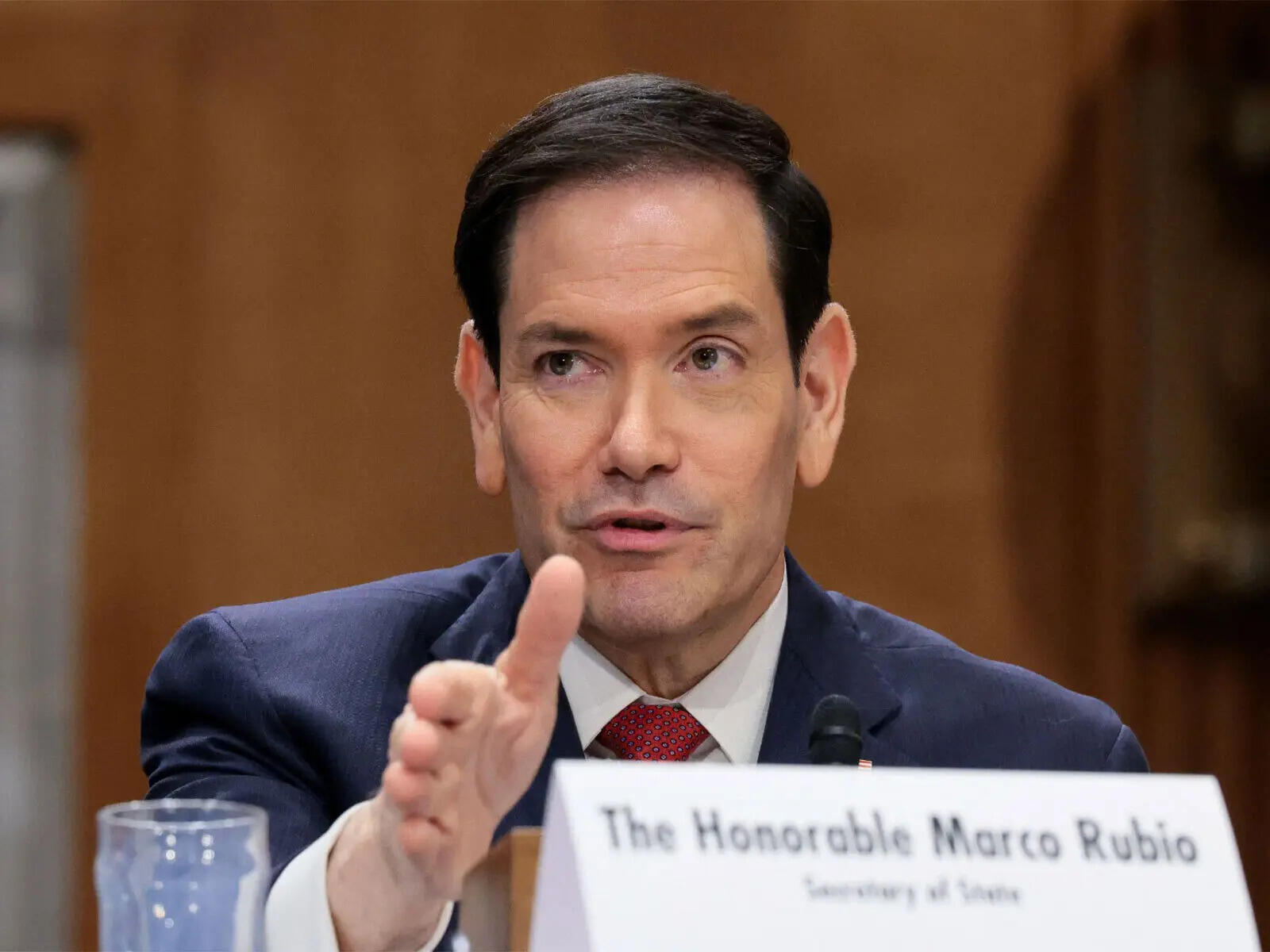
Secretary of State Marco Rubio stepped in front of the Senate Foreign Relations Committee on Tuesday. It was his first public testimony since the conflict kicked off on February 28, 2026. He did not come to apologize for a war launched without congressional approval. Instead, he came to declare that Iran's long-term military strategy has been completely broken.
Rubio told senators that Tehran had been trying to build a conventional shield. The idea was simple. Iran wanted to amass enough missiles, low-cost drones, and naval hardware to make any attack on its soil too expensive to contemplate. Behind that wall of regular weapons, the regime planned to finish building its nuclear bomb.
The Destruction of the Conventional Shield
The administration’s logic is that by striking first in Operation Epic Fury, the U.S. and Israel shattered that shield before it could lock into place. Rubio didn't pull any punches when describing what is left of Iran's maritime power.
"Today, there is no Iranian Navy," Rubio testified. "There is no such thing. There's a bunch of Boston Whalers with machine guns on them, but there is no navy. It lies at the bottom of the ocean."
He even joked that the sunken fleet would soon become prime artificial reefs for fishing. It is a vivid image, but it highlights a harsh reality. The conventional military infrastructure Iran spent decades building has been substantially eroded in a matter of months.
Yet, the victory isn't absolute. While the heavy armor and the naval ships are gone, the asymmetric threat remains. Rubio admitted that Iran's drone-building capability is down but far from dead. These cheap, mass-produced weapons continue to be a massive headache. The economics of fighting off a thousand-dollar drone with a million-dollar missile is a math problem the Pentagon still hasn't solved.
The Reality of the Peace Talks
If you listen to the White House, a diplomatic breakthrough is right around the corner. Rubio claimed that Iran has agreed to negotiate pieces of its nuclear program that it refused to even talk about a month ago. He told lawmakers a deal could happen today, tomorrow, or next week.
But out in the real world, the diplomatic track looks incredibly shaky. Just hours before Rubio arrived on Capitol Hill, Iranian state media announced that Tehran was suspending all peace talks. They are furious over Israeli military operations targeting Hezbollah strongholds in Lebanon, viewing them as a direct violation of the fragile truce that has been loosely in place since mid-April.
We are seeing a massive disconnect between Washington’s optimism and Tehran’s actions. President Donald Trump insists that back-channel conversations are happening continuously, but the ground truth is that the two sides are still trading fire.
What a Real Deal Requires
Rubio laid out the administration's hardline parameters for any formal pause in the conflict. Washington isn't handed out favors, and the conditions for sanctions relief are strict.
First, the Strait of Hormuz must be reopened. The waterway has been effectively closed to commercial traffic since the war started, choking off 20% of the world's traded oil and natural gas. If Iran wants a deal, it has to declare the strait open, stop firing on commercial tankers, remove its naval mines, and stop demanding tolls. Rubio made it clear that simply opening the water will not trigger an easing of economic sanctions.
Second, the nuclear talks will be brutal, highly technical, and slow. If an initial memorandum of understanding is signed to extend the ceasefire by 60 days, it only opens the door to a secondary phase. Iran will have to let experts inspect and figure out what to do with the highly enriched uranium hidden deep inside its mountain bunkers. Rubio thinks those technical talks will take at least 30 to 90 days of intense meetings.
Chaos Inside the Iranian Regime
One reason the diplomacy feels so disjointed is that the leadership structure in Tehran is in shambles. The opening U.S. and Israeli airstrikes on February 28 killed Supreme Leader Ayatollah Ali Khamenei. His son, Mojtaba Khamenei, took over the top spot but hasn't been seen in public since, leading to rampant rumors about his health.
Rubio confirmed that U.S. intelligence believes Mojtaba is alive and increasingly engaging in government business, despite being badly injured early in the war. But he isn't running a one-man show anymore. He is operating under the heavy influence of a council filled with Islamic Revolutionary Guard Corps (IRGC) bosses.
Every message sent by Iranian diplomats has to go through this council. Because the leadership is terrified of electronic surveillance, they are relying on old-school human couriers to pass messages. That is causing massive delays, misunderstandings, and a painfully slow diplomatic pace.
The Next Moves for Washington
The administration pitched this as a short, sharp war. Instead, it is dragging into a summer of uncertainty. Gas prices remain high, and Congress is growing restless. While leadership managed to block a War Powers Resolution vote in the House, both Democrats and skeptical Republicans are demanding a clear exit strategy.
If you want to understand where this conflict goes next, watch the numbers. The State Department is currently trying to evacuate roughly 1,500 Americans who are still stuck in the wider region, while over 9,000 have already fled.
The immediate next step isn't a grand peace treaty. It's seeing whether the U.S. and Iran can actually stick to the 60-day ceasefire extension currently on the table, or if the regional fighting in Lebanon will drag everyone right back into total war. Keep your eyes on the shipping lanes in the Strait of Hormuz. If commercial tankers don't start moving safely through those waters without paying Iranian tolls, any talk of a diplomatic breakthrough is just political noise.