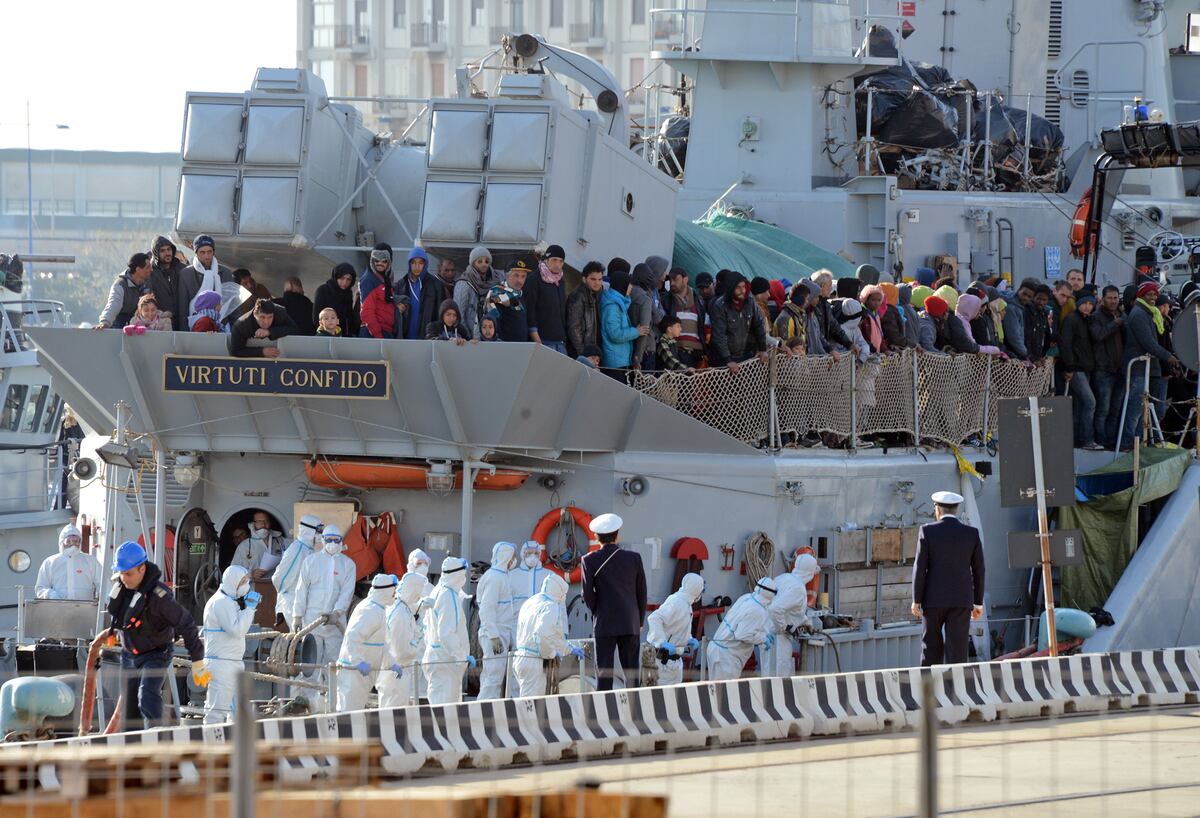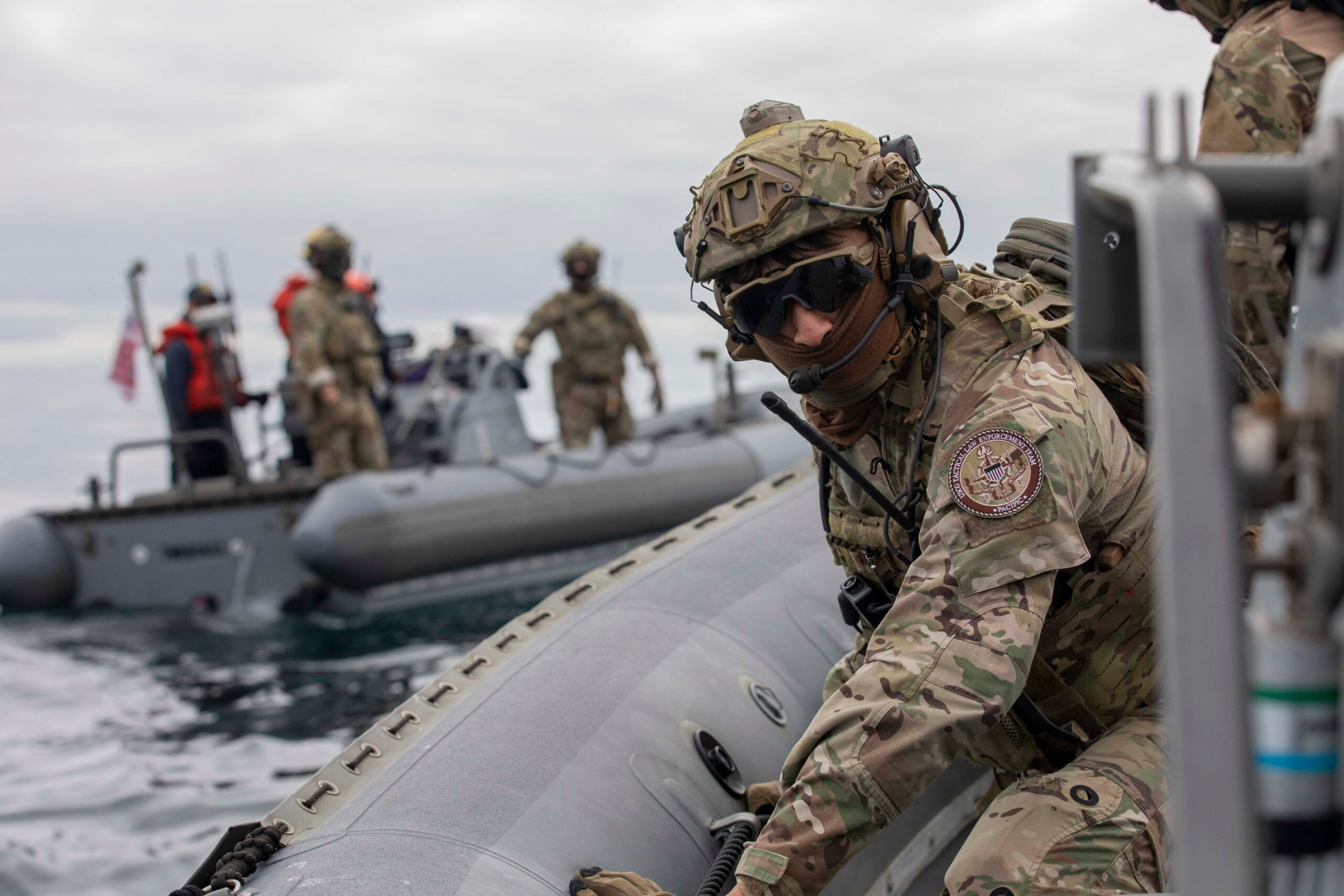
The headlines want you to believe in a world of high-seas heroics. A US destroyer intercepts two oil tankers off the coast of Iran. The narrative is predictably neat: a rogue state attempts a "theft," and the global police force steps in to preserve the sanctity of international trade. It is a comforting story. It is also a fundamental misunderstanding of how the global energy chess match actually functions.
We are told these interdictions are about "security." They aren't. They are about arbitrage, leverage, and the maintenance of a petrodollar hegemony that is fraying at the edges. If you think the US Navy is out there acting as a pro-bono security guard for commercial shipping, you haven't been paying attention to the ledger.
The Illusion of Freedom of Navigation
The mainstream press treats "Freedom of Navigation" as a static, moral principle. In reality, it is a variable geopolitical tool. When a US destroyer puts itself between an Iranian patrol boat and a commercial tanker, it isn't just "stopping a crime." It is enforcing a specific set of sanctions that half the world no longer agrees with.
The "lazy consensus" suggests that Iran is the sole aggressor in these waters. But let's look at the mechanics of the shadow fleet. Thousands of vessels currently operate under "flags of convenience," swapping transponders and offloading crude in ship-to-ship transfers that make a mockery of Western regulatory frameworks. The US doesn't intervene because it's "illegal"—it intervenes when the optics or the specific cargo threatens the pricing power of its allies.
Most observers ask: How do we stop Iran from seizing ships?
The better question is: Why has the West allowed the maritime insurance market to become the primary weapon of war?
The Insurance Trap and the Shadow Fleet
If you want to understand why these "interdictions" happen, stop looking at the guns and start looking at the paperwork. For decades, the London-based International Group of P&I Clubs has provided insurance for about 90% of the world's ocean-going tonnage. This gave the West a kill switch for global trade.
If you don't follow US or EU policy, you lose insurance. If you lose insurance, you can't dock at major ports.
But the game changed. We’ve seen the rise of a "parallel economy." Countries like China, India, and Russia have built their own insurance and sovereign guarantee structures. They are increasingly decoupled from the Western financial grid. When the US Navy intercedes in the Gulf of Oman, it isn't just patrolling a waterway; it is desperately trying to reassert the relevance of a Western-centric maritime law that is being bypassed in real-time.
I’ve watched analysts in DC celebrate these seizures as "victories." They aren't victories; they are admissions of failure. Every time a kinetic intervention is required to stop a tanker, it proves that the financial sanctions have failed to do their job. If the sanctions worked, the ship wouldn't have been in the water to begin with.
The Logistics of a Failed Deterrent
Let’s talk about the math of the Strait of Hormuz. Roughly 20% of the world's total oil consumption passes through this choke point.
The conventional wisdom says that US presence prevents a total shutdown. The reality? A single US destroyer, no matter how sophisticated its Aegis Combat System, is a high-value target in a cluttered environment. In a true escalation, "interdicting" a tanker is a drop in the ocean. The US is playing a game of whack-a-mole with a partner—Iran—that has mastered the art of asymmetric friction.
By engaging in these tactical skirmishes, the US is actually signaling its limitations. We are using billion-dollar platforms to play chicken with fast boats and aging tankers. It is a massive misallocation of resources that provides a false sense of security to the markets while doing nothing to address the underlying reality: the Strait is effectively a toll road controlled by whoever is willing to take the most risk.
The Hidden Cost of "Safety"
The business community loves the idea of the US Navy as a stabilizer. But this stability comes with a hidden tax. When the US intervenes, insurance premiums (War Risk Surcharges) don't go down; they spike. The "policing" of these waters creates the very volatility it claims to prevent.
Think about it like this: If a neighborhood is "safe" because there is a SWAT team on every corner, is it actually a good place to do business? Or is the presence of the SWAT team a flashing red light that the environment is fundamentally broken?
Energy traders shouldn't be looking at the number of destroyers in the region. They should be looking at the de-dollarization of the energy trade. If Iran can sell its oil to China in Yuan, and use Chinese-backed insurance, the US Navy becomes a spectator to a transaction it can no longer see or stop through traditional means. These public "interdictions" are the last gasps of a system trying to prove it still has a vote.
Why the "Sanctions" Argument is Hollow
The competitor's article likely points to "illicit" oil. This is a PR term. In the world of energy, oil is only "illicit" if you aren't the one profiting from it.
We see the US seize Iranian crude, sell it, and keep the proceeds under the guise of "compensating victims." This isn't law enforcement; it's a high-stakes asset forfeiture program. When the roles are reversed, we call it piracy. When we do it, we call it a "civil forfeiture action."
This hypocrisy is the primary driver of the BRICS+ expansion. Nations are looking at these maritime "interdictions" and realizing that if their foreign policy falls out of favor with Washington, their entire merchant marine is at risk.
The result? They aren't going to stop shipping oil. They are going to stop using the dollar, stop using Western ports, and stop caring about what a US destroyer does in the Gulf of Oman.
The Real Risk: Not War, But Irrelevance
The danger isn't that these skirmishes lead to World War III. The danger is that they lead to a world where the US Navy's presence is viewed as an expensive nuisance rather than a stabilizing force.
Imagine a scenario where a US destroyer attempts to interdict a tanker, and the tanker—backed by a non-Western security guarantee—simply ignores the order. What then? Do you sink a commercial vessel and trigger an environmental and humanitarian disaster? Or do you watch it sail by, effectively ending the era of American maritime dominance?
We are closer to that moment than the "officials" quoted in these news clips want to admit.
The Actionable Truth for the Energy Sector
Stop betting on "stability" guaranteed by naval presence. The era of the "Global Policeman" died when the shadow fleet reached its current scale.
- Hedge for Fragmentation: The global shipping market is splitting into two distinct ecosystems: the compliant Western-aligned fleet and the "gray" non-compliant fleet. The gray fleet is growing faster.
- Ignore the Headlines: A tanker seizure is a tactical event with zero strategic impact on the long-term supply of Iranian crude. The oil is still moving; it’s just moving through channels that aren't being reported by "officials."
- Watch the Insurance Markets: The real shift happens when the "Big Three" shipping hubs (Singapore, Shanghai, Dubai) move away from London-based P&I standards. That is the day the US destroyer becomes a floating relic.
The theater in the Gulf is for the benefit of the taxpayers and the cable news cycles. It provides the illusion that someone is in control of a system that has clearly moved beyond centralized management.
The ocean is big, and the US Navy is small. The shadow fleet is winning because it understands a truth the Pentagon hasn't accepted: You can't blockade a world that has decided it no longer needs your permission to trade.
Stop looking for "security" in the barrels of a gun and start looking for it in the diversification of your supply chain. The ships aren't being "saved." They are being used as props in a play that is quickly reaching its final act.