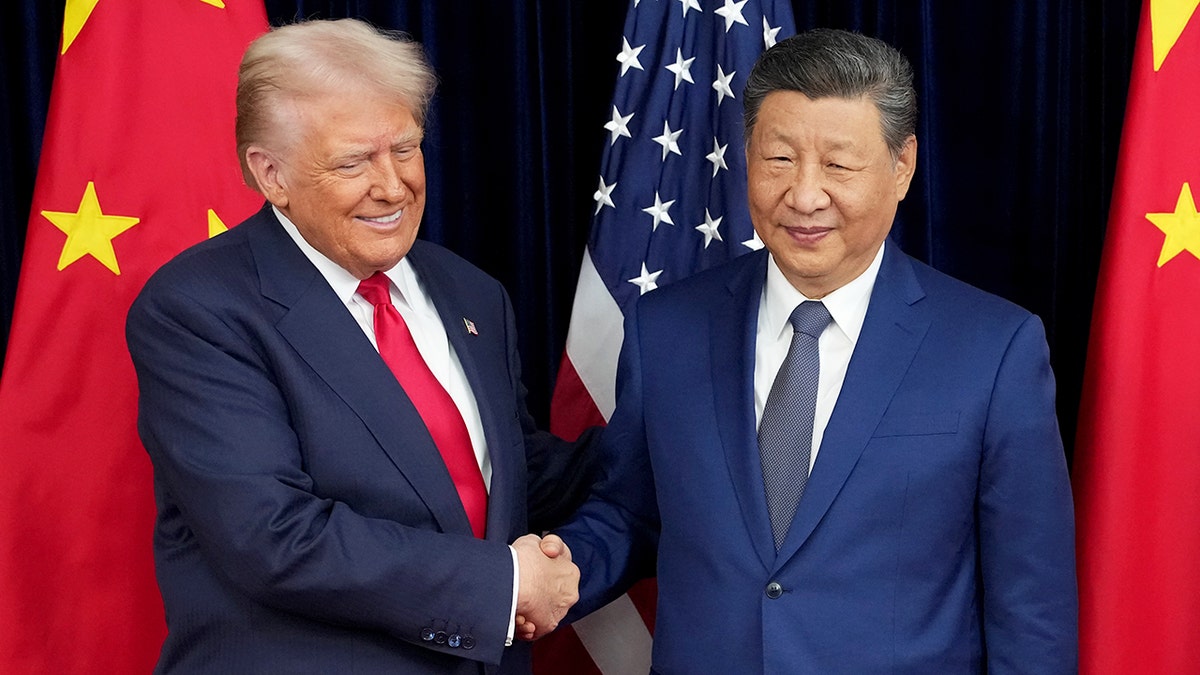
Don't let the smiling photo ops from the Beijing summit fool you. As President Trump and President Xi Jinping wrap up their high-stakes meetings, the headlines are buzzing with promises of a massive agricultural revival. Mainstream analysts are obsessing over the math of the new purchase targets, trying to calculate whether China will actually hit its paper commitments.
They're asking the wrong question.
The real issue isn't whether Beijing's soybean counters will balance the ledgers this year. It's that the structural foundation of agricultural trade has permanently shattered. If you're a grower in the Midwest relying on a political pen stroke to secure your livelihood, you're playing a losing game. The math matters, but the structural shift away from American commodities matters much more.
The Phantom 25 Million Tons
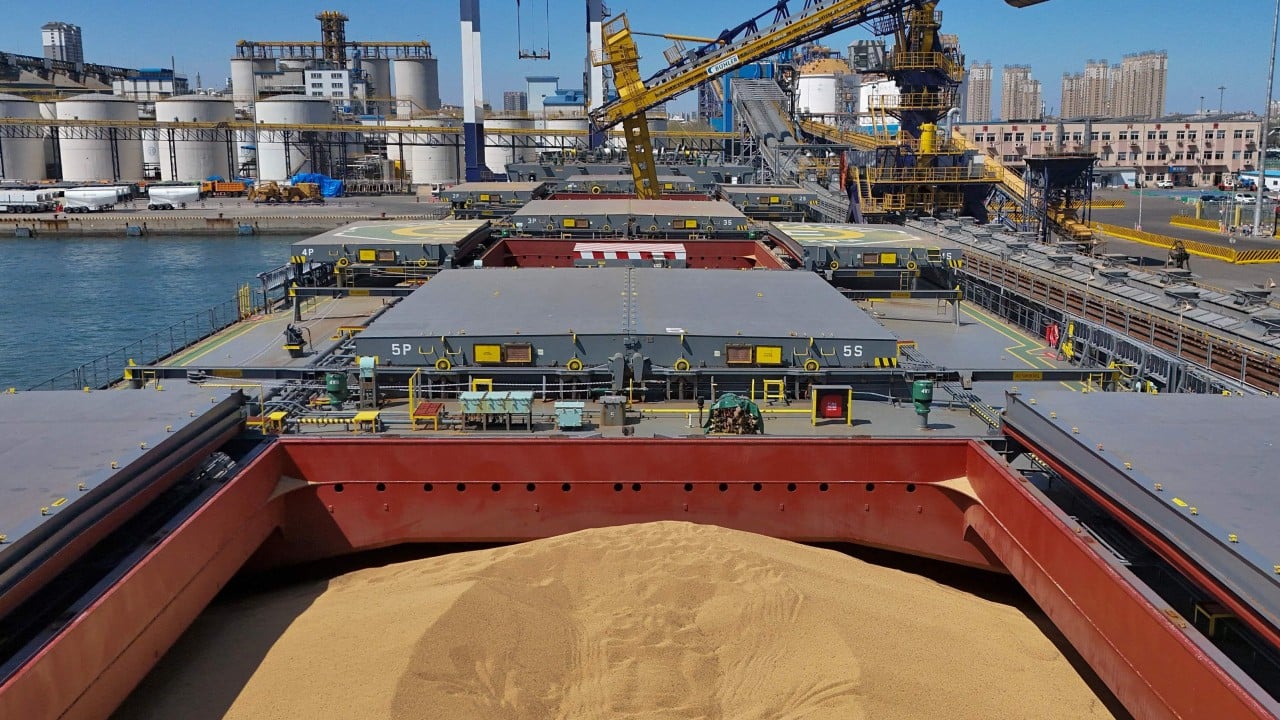
Let's look at what's actually on the table. The economic framework locking in place requires China to buy 12 million metric tons of U.S. soybeans for 2025, scaling up to 25 million metric tons annually through 2028. On paper, it sounds massive. Trump is celebrating it as a triumph for rural America. Chicago soybean futures even saw a modest bump on the rumors leading up to the summit.
But look closer at the numbers. That 12 million ton floor for 2025 is less than half of what China bought from American exporters in 2024. Even the 25 million ton target for the subsequent years barely gets the industry back to a baseline average. It doesn't represent growth; it's a hard-fought attempt to reclaim lost ground.
More importantly, China has a long history of treating trade promises as optional suggestions. Industry experts point out that Beijing behaves as a highly price-sensitive buyer, regardless of what's signed in executive boardrooms. If South American supplies are cheaper, the Chinese state buyers will drag their feet, cite technical specifications, or simply find bureaucratic ways to delay shipments.
Brazil's Stranglehold on the Market
While American politicians debate trade compliance, South American farmers are out-competing the U.S. on sheer volume and price. Back in 2010, the Chinese soybean market was relatively balanced. The U.S. captured a 45% market share, shipping 24 million metric tons, while Brazil held 32%.
By 2024, that dynamic flipped completely. Brazil exploded its logistics and production, capturing a staggering 70% of China's imports by shipping 73 million metric tons. The U.S. share withered to just 23%.
Soybean Market Share in China (2010 vs. 2024)
2010: United States 45% | Brazil 32% | Others 23%
2024: Brazil 70%        | United States 23% | Others 7%
This isn't a temporary blip that a quick summit can fix. It's a permanent realignment. Brazilian growers in states like Mato Grosso frequently harvest two crops a year on the same land—alternating soy and corn. Their production costs are lower, and their export window perfectly complements China's crushing schedule.
Furthermore, Beijing is actively investing in Brazilian infrastructure, funding rail lines and port expansions to make South American shipping routes even more efficient. They want to cut ties with the American supply chain, and they've spent the last eight years building the highway to do it.
Squeezing the Pig to Cut the Bean
The risk runs deeper than just competition from Brazil. China is changing the internal mechanics of its own domestic demand. For decades, the explosive growth of the Chinese middle class meant a soaring demand for pork, which required millions of tons of imported soy meal to feed the nation's swine herds.
That trajectory has stalled. Chinese scientists and agricultural ministries are aggressively pushing alternative feed formulations. They're developing fermented feeds and synthetic protein supplements specifically designed to lower the percentage of soybean meal required in pig rations. They don't want to rely on foreign acreage to secure their food supply. When a nation makes food security a national defense priority, commercial purchase agreements become secondary.
The Diversification Trap
What can American growers actually do about this? The standard advice from ag economists is simple: diversify your markets. Sell to Southeast Asia, look at North Africa, or boost domestic crushing capacity for biofuels.
That's easier said than done. No other single market on earth has the sheer scale of China. You can't replace a buyer that consumes over 60% of global soybean imports by stitching together a dozen smaller trade deals with countries like Vietnam or Egypt. The volume simply isn't there.
Domestic options aren't a silver bullet either. While the legislative push for year-round E15 and higher biodiesel blending mandates offers some hope for local demand, processing capacity takes years to build. In the meantime, the beans are piling up in local elevators, and storage costs eat away at already thin margins.
Your Next Moves on the Farm
Waiting around for the next round of government subsidies or a breakthrough in bilateral trade diplomacy is a recipe for bankruptcy. Survival means shifting your operational strategy immediately.
- Lock in profitable margins early: If summit rumors cause a temporary spike in Chicago Board of Trade prices, use that window to hedge. Don't hold out for pre-trade-war price peaks that may never return.
- Audit input costs ruthlessly: With global demand shifting, high-yielding but expensive seed and fertilizer packages might not make sense if your sale price is capped by cheap Brazilian competition. Optimize for net profit per acre, not raw bushel yield.
- Shift acreage away from monoculture: If your local cooperative has the infrastructure, look hard at specialty crops, non-GMO varieties for premium food markets, or shifting a higher percentage of fields to corn or alternative grains where U.S. export infrastructure still holds a distinct logistical edge.
The era of easy money from the Chinese export boom is over. The math of the latest trade deal might keep the lights on for another season, but the long-term survival of your operation depends on how quickly you stop relying on Beijing to buy your harvest.
Farmer explains how US-China talks impact his profession is a practical, ground-level interview with a fourth-generation farmer detailing exactly how these high-level political negotiations translate into real-world pricing pressures on local American farms.