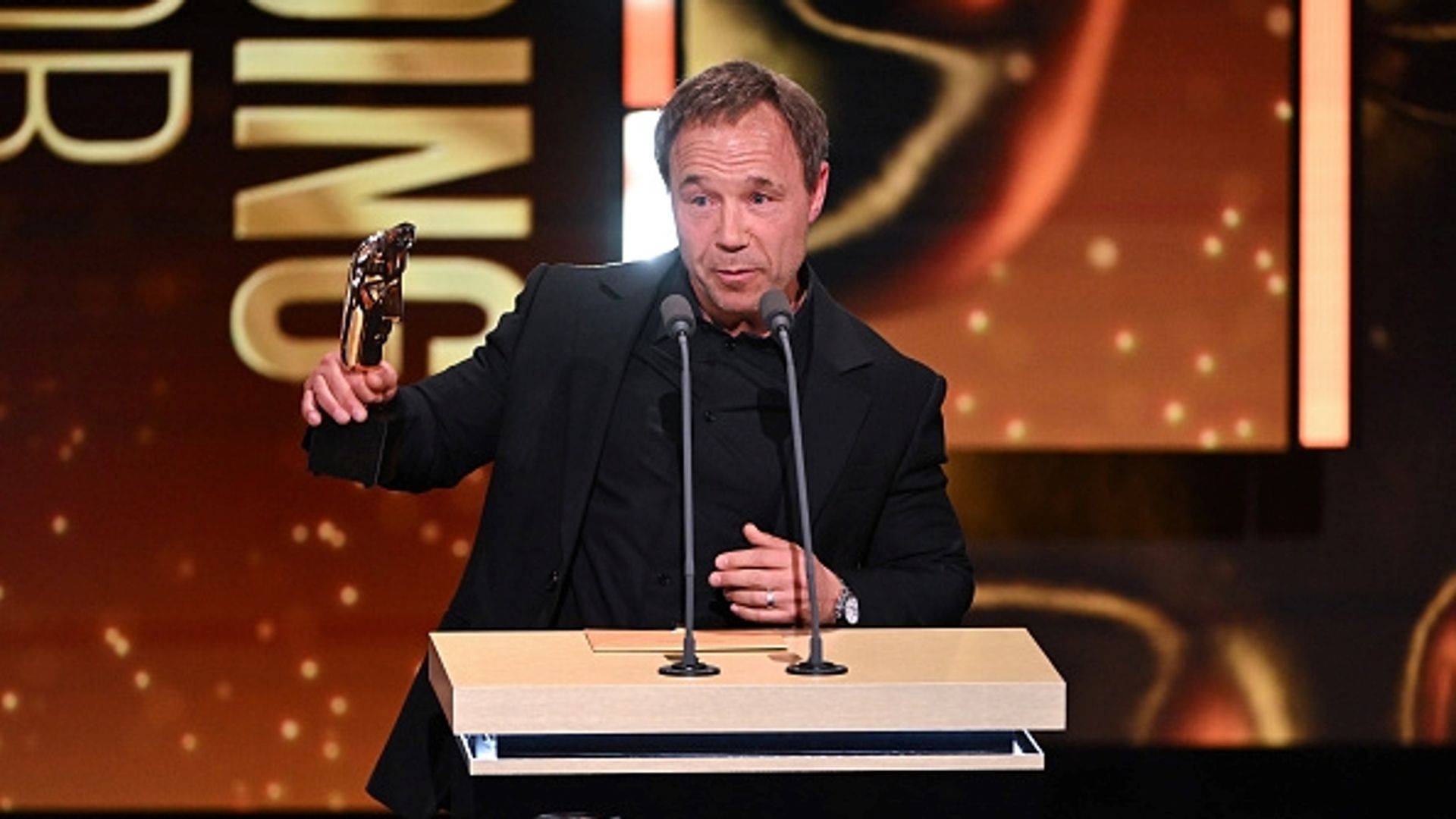
The air inside the Royal Festival Hall usually smells of expensive perfume and nervous sweat, a pressurized oxygen mix that belongs to the elite. But at this year’s Bafta TV Awards, something shifted. The atmosphere didn’t feel like a closed-door gala for the untouchable. It felt like a mirror.
For decades, we have watched television to escape. We wanted the polished veneer, the scripted perfection, and the safely distanced dramas of worlds we would never inhabit. Then came Adolescence. It didn't just win; it dismantled the barrier between the viewer and the viewed. When the winners were announced, the applause wasn't the polite patter of industry peers. It was the roar of a collective realization that the stories we tell about our most broken, vulnerable selves have finally found their way to the center of the stage.
The Weight of the Unspoken
Think about the last time you saw a teenager on screen. Usually, they are caricatures. They are either hyper-articulate philosophers in designer hoodies or walking tropes of rebellion. We recognize them, but we don't know them.
Adolescence changed that by leaning into the silence. Created by Stephen Graham and Jack Thorne, the show didn't rely on the explosive pyrotechnics of typical prestige drama. Instead, it focused on the agonizing, slow-motion collapse of a family caught in the gears of the justice system. It was filmed in a single, continuous shot—a technical feat that sounds like a gimmick until you realize why they did it.
The "one-take" format wasn't for show. It was a claustrophobic necessity. In real life, when trauma hits, you don't get a "cut." You don't get a commercial break to catch your breath. You are trapped in the room while the world falls apart. By the time the Bafta ceremony rolled around, the industry wasn't just celebrating a technical achievement; they were honoring the stamina it took to tell a story that refused to look away.
The Outsider at the Winners' Table
If you were standing in the wings of the Southbank Centre, you would have seen the faces of the people who make our culture. Usually, there is a hierarchy. There are the "prestige" actors and the "popular" actors. But as the night progressed, those lines blurred into irrelevance.
The sweep by Adolescence felt like a populist uprising from within the palace. This wasn't a show designed to sell toys or launch a cinematic universe. It was a show about the specific, agonizing grief of being British, being poor, and being young. When the production took home the major awards, including Best Drama Series, it served as a rebuke to the idea that audiences only want "comfort TV."
We don't. We want to feel seen.
Consider a hypothetical viewer named Sarah. She’s a social worker in Leeds. She spends her days navigating the exact bureaucracy portrayed in the show. For Sarah, watching Adolescence wasn't entertainment; it was a verification of her existence. When she sees that show winning on a glittering stage in London, the distance between her world and the "glamour" of TV shrinks. The stakes become human.
The Art of the Long Take
The technical mastery required to pull off what the Adolescence team achieved is staggering. Imagine a hundred people—cameramen, boom operators, lighting techs, actors—moving in a choreographed dance for sixty minutes without a single mistake. One tripped wire, one fumbled line, and the whole house of cards collapses.
But the real magic isn't in the movement. It’s in the intimacy. In a standard edit, the director tells you where to look. Cut to the crying mother. Cut to the angry father. In Adolescence, you choose where to look. Your eye wanders the room. You notice the dirty dishes in the sink while the police deliver the news. You see the father’s hands shaking in the corner of the frame while the son is being questioned.
This level of immersion is what the Bafta judges responded to. It’s a return to the roots of kitchen-sink realism, but injected with the adrenaline of modern technology. It proves that we don't need million-dollar CGI to be breathless. We just need a camera that stays still long enough to capture a soul.
A New Kind of Stardom
The night was also a coronation for a different kind of performer. The era of the "unreachable star" is dying. The winners on that stage were people who looked like they had just stepped off a bus. They spoke with regional accents that haven't been sanded down by elocution lessons.
There is a specific kind of bravery in being unpolished. To stand before millions of viewers and admit that the work was hard, that the subject matter was depressing, and that the goal was simply to tell the truth—that is the new currency of the entertainment industry. The "history" made at the awards wasn't just about a show winning multiple trophies. It was about the shift in what we value.
We are moving away from the era of the "cool" anti-hero and into the era of the "bruised" hero. We no longer care about the man who has all the answers. We are captivated by the person who is terrified but keeps walking anyway.
The Echoes in the Room
As the night wound down and the after-parties began, the conversation wasn't about the snubs or the fashion. It was about the silence that followed the clips of the winning shows. Usually, these ceremonies are loud, boisterous affairs. But when Adolescence played on the big screens, the room went quiet.
That silence is where the real power lies.
It is the silence of a father realized he hasn't spoken to his son in weeks. It is the silence of a daughter realizing her parents are just as scared as she is. It is the silence of a society that has finally decided to stop ignoring its most vulnerable members.
Television has the unique ability to enter our homes as a guest. It sits on our couches with us. It whispers in our ears. This year, the Baftas didn't just hand out gold masks. They gave a permanent seat at the table to the messy, unwashed, and heartbreaking reality of being alive right now.
The trophies will eventually gather dust on mantelpieces. The speeches will be forgotten. But the feeling of that night—the feeling that the gap between "them" and "us" had finally closed—will linger. We aren't just spectators anymore. We are part of the story.
The lights in the hall eventually dimmed, and the stars headed out into the London night, stepping over the same cracks in the pavement that their characters do. The rain started to fall, blurring the neon lights of the Southbank. It looked exactly like a scene from a show. Only this time, nobody called cut.