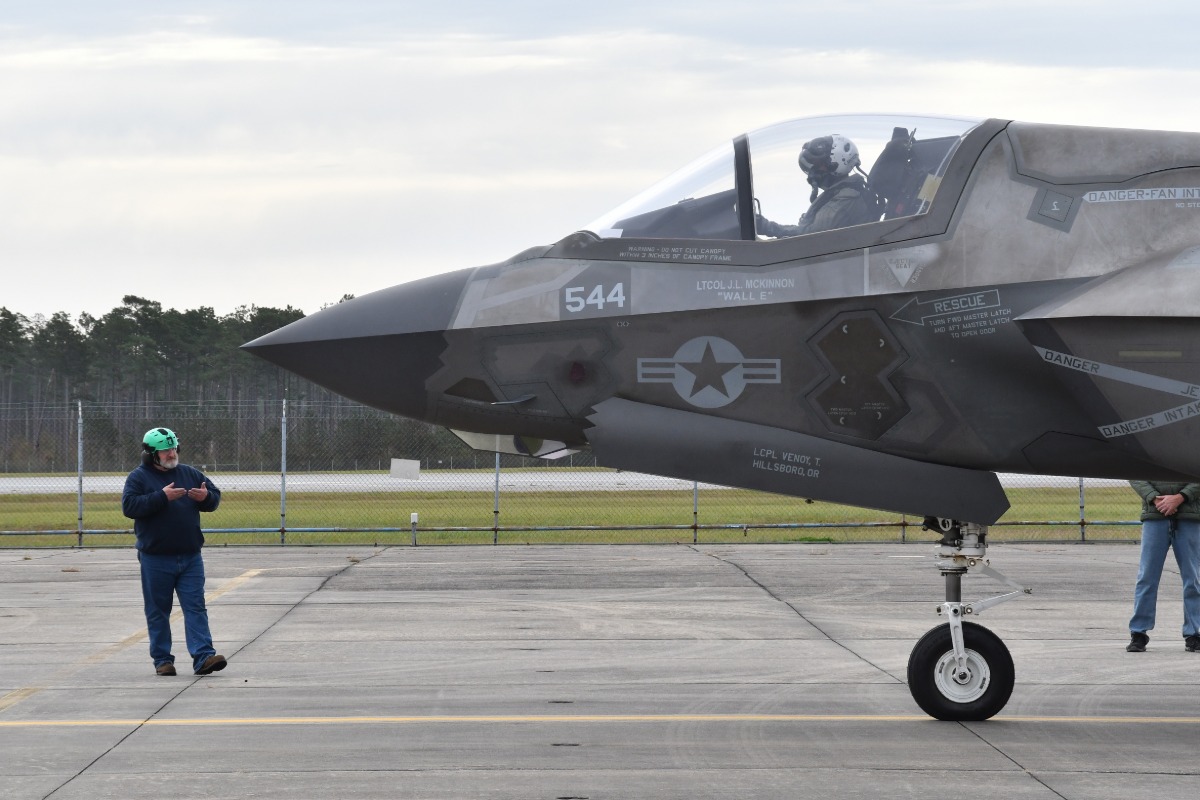
The Pentagon just handed Lockheed Martin another massive check. This time, it's a $2.29 billion sole-source contract aimed squarely at keeping the F-35 Lightning II program from grinding to a halt. If you only read the headlines, you probably think this is just another routine defense payout. It isn't.
Behind the massive dollar amount lies a stressful reality for the U.S. military. The F-35 is the backbone of allied air power, but it's notoriously difficult and expensive to keep in the air. This new deal tells us a lot about where the stealth fighter program stands today, what it takes to deploy these jets globally, and why the Pentagon simply can't shake its dependency on Lockheed Martin. Also making headlines lately: The Great IPO Panic Is For Amateurs Why Huge Public Debuts Protect Your Wallet.
Breaking Down the Billion Dollar Maintenance Bill
Let's look at what the money actually buys. This isn't a contract for new airplanes. Instead, the deal focuses entirely on what the military calls initial non-recurring sustainment activities.
Basically, the Pentagon is paying to set up the infrastructure required to operate the aircraft at new locations. This involves two major efforts: More details into this topic are explored by CNBC.
- Site Activation: Preparing new military bases, both on land and aboard aircraft carriers, to handle the unique technical demands of a stealth fighter.
- Interim Contractor Support: Paying Lockheed Martin's own tech teams to manage the fleet, handle logistics, and execute reliability improvement plans until the military can take over the tasks themselves.
The work will stretch through December 2028. Most of the action happens at Lockheed's main hub in Fort Worth, Texas, which takes an 85% cut of the work. The remaining 15% goes to Orlando, Florida.
What makes this specific deal interesting is the structure. It's a cost-plus-incentive-fee, indefinite-delivery/indefinite-quantity (IDIQ) contract. In plain English, no money changed hands the moment the contract was signed. The Pentagon will dole out cash on individual orders as needs arise. If Lockheed hits its performance goals, it gets a financial bonus. If things drag on, the taxpayer absorbs much of the risk.
The Monopolistic Reality of Defense Procurement
The official Pentagon announcement included a line that should surprise exactly no one: "This contract action was not competed."
Naval Air Systems Command bypassed the traditional bidding process because they had no choice. You can't hire a local mechanic to fix a fifth-generation stealth fighter. Lockheed Martin owns the proprietary data, the supply chain partnerships, and the specialized tooling required to keep the F-35 operational.
This sole-source reality highlights the massive leverage defense contractors hold over the government. The Government Accountability Office (GAO) has repeatedly pointed out how this lack of competition drives up long-term costs. Yet, when a new squadron needs to deploy to an aircraft carrier or a foreign base, the Pentagon has to pay Lockheed's price to get the infrastructure ready.
Who Benefits From the Global Footprint
This contract doesn't just serve the U.S. Air Force. The funding covers support across the entire domestic and international footprint of the Joint Strike Fighter program. The operations directly support:
- The U.S. Air Force (operating the conventional F-35A)
- The U.S. Marine Corps (operating the short-takeoff/vertical-landing F-35B)
- The U.S. Navy (operating the carrier-borne F-35C)
- Foreign Military Sales (FMS) customers and international program partners
With allied nations in Europe and Asia rapidly buying up F-35s to counter rising global tensions, setting up land-based and at-sea fleet support operations is a massive logistical puzzle. Every time a country like Poland or Japan builds a new hangar for their jets, or every time the Navy prepares a new assault ship for stealth operations, this contract pays for the underlying blueprint.
The Broader Helicopter Bonus
Lockheed Martin didn't just walk away with the F-35 deal. The Pentagon wrapped this announcement alongside a separate $525 million contract awarded to Sikorsky Aircraft Corp., a Lockheed subsidiary.
That secondary deal funds non-recurring engineering, integration, and flight-test support for the Y/CH-53K Heavy Lift Helicopter program. This work, mostly based in Stratford, Connecticut, supports both the U.S. Marine Corps and international buyers through June 2031. Combined, Lockheed secured nearly $2.8 billion in defense commitments in a single afternoon.
Tracking the Reality Behind the Numbers
If you track defense stocks or work within the aerospace industry, watch how quickly the Pentagon issues individual task orders under this IDIQ framework over the next twelve months. The speed of those orders will reveal how fast the military is trying to expand its global stealth footprint.
For taxpayers and industry observers, the lesson is clear: the true cost of an advanced fighter jet isn't the price tag on the day it rolls off the assembly line. The real cost is the endless, multi-billion-dollar tail of keeping it ready for war.