The Obsession with the Pink Slip is a Distraction
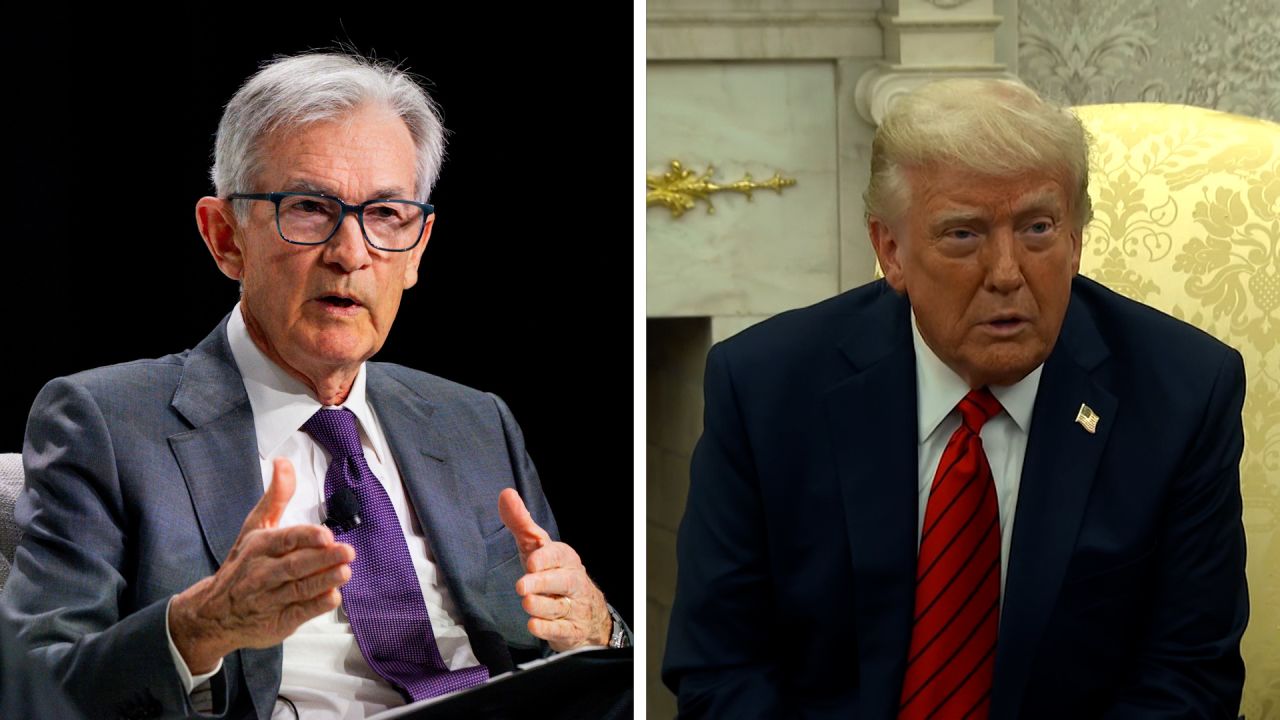
Financial media is currently paralyzed by a single, narrow question: Can the President fire Jerome Powell? Pundits are obsessed with the "for cause" clause of the Federal Reserve Act, debating whether "policy differences" constitute a legal fireable offense.
They are asking the wrong question.
The real story isn't whether a President can technically evict Powell from his office at the Eccles Building. It’s that the legal removal of a Fed Chair is a blunt, messy instrument that no administration actually wants to use. If you fire the Chair, you trigger a global market meltdown that torches your own 401(k)-heavy voter base.
The smart money isn't watching the firing line. They are watching the sidelining.
The "lazy consensus" assumes that the independence of the Federal Reserve is a binary switch—either it's independent or it’s a puppet. In reality, we are entering an era of "Shadow Feds" and "Administrative Erosion" where the Chair becomes a figurehead while the Treasury Department and the White House move the levers of liquidity behind his back.
The Legal Reality vs. The Political Theater
Let’s get the law out of the way. The Supreme Court has been increasingly skeptical of independent agencies. Cases like Seila Law LLC v. CFPB and Collins v. Yellen showed that the Court is leaning toward a "unitary executive" theory. This theory suggests the President should have the power to remove executive officers at will.
However, the Federal Reserve isn't the CFPB. It’s a hydra.
Even if a President managed to demote Jerome Powell from the Chairmanship, Powell would still remain a Governor on the Board. His term as a Governor doesn't expire until 2028. You can take away his gavel, but you can’t easily take away his vote or his seat at the FOMC table.
Furthermore, the Chair of the FOMC is elected by the committee members, not just appointed by the President. Imagine the chaos: The President fires the Fed Chair, and the remaining FOMC members—in an act of institutional defiance—immediately re-elect the same person as their Committee Chair.
That isn't a policy shift. That’s a constitutional crisis that sends the S&P 500 into a 1,000-point nose dive.
The Rise of the Shadow Fed
I’ve spent years watching how liquidity actually flows through the plumbing of the financial system. It doesn’t all come from the Fed’s interest rate decisions.
If an administration wants to neuter an uncooperative Fed Chair, they don't fire him. They bypass him. They use the Treasury General Account (TGA) and Buyback Programs.
We saw a preview of this recently. While the Fed was trying to tighten financial conditions by keeping rates high and shrinking its balance sheet (Quantitative Tightening), the Treasury was busy adjusting its issuance of T-bills. By flooding the market with short-term debt and drawing down the TGA, the Treasury effectively injected liquidity into the system, countering the Fed’s "higher for longer" stance.
This is the "Shadow Fed" in action.
- The TGA Drawdown: Effectively a stimulus package managed by the Treasury Secretary, not the Fed Chair.
- The Buyback Maneuver: The Treasury buying back older, less liquid bonds to grease the wheels of the market.
- Macroprudential Regulation: Using the FDIC and the OCC to tighten or loosen bank lending requirements, effectively controlling the money supply without touching the Federal Funds Rate.
If you are a President, why would you endure a three-year legal battle in the Supreme Court to fire Powell when you can just have your Treasury Secretary run a parallel monetary policy?
The Myth of the "Hawk"
The media loves to paint Powell as a stoic inflation hawk or a potential victim of political pressure. This is a fairy tale.
The Federal Reserve is an institution designed for self-preservation. Its "independence" is a shield, not a sword. The Fed knows that if it pushes the economy into a deep recession during an election year, its very existence will be threatened by populist legislation in Congress.
Powell isn't a rebel. He’s a consensus builder. He doesn't need to be fired to be influenced; he just needs to look at the same data everyone else is looking at—data that is often curated and released by executive branch agencies like the BLS and the Department of Commerce.
Why Investors Should Stop Worrying and Love the Friction
The "consensus" view is that a fight between the White House and the Fed is a "black swan" event.
I disagree. Friction is healthy.
When the Fed and the White House are in total lockstep, you get the "transitory inflation" debacle of 2021. You get groupthink. You get a massive, unchecked expansion of the money supply that devalues your savings.
A Fed Chair who is under fire is a Fed Chair who is forced to justify every single basis point move with cold, hard logic. It forces transparency.
The Actionable Reality for Your Portfolio
Stop trading based on "Will he/Won't he" headlines regarding Powell’s job security. It’s noise. Instead, watch these three metrics that actually signal who is winning the tug-of-war:
- The TGA Balance: If the Treasury is draining its account while the Fed is talking tough, the Treasury is the one in charge of the punch bowl.
- The Term Premium on 10-Year Notes: If the market starts sensing that the Fed is losing its grip, you will see it here first, not in a Presidential tweet.
- Reverse Repo (RRP) Facility Usage: This is the ultimate barometer of excess liquidity. If this is draining, the Fed’s tightening is actually working, regardless of what the White House says.
The legal ability to fire the Fed Chair is a historical footnote. The functional ability to ignore the Fed Chair is the new reality of the 21st-century economy.
Powell is safe because he is increasingly irrelevant. The battle for the dollar has moved from the mahogany tables of the Fed Board to the high-frequency issuance desks of the Treasury Department.
If you're still looking at the Fed Chair as the "most powerful man in the world," you're playing a game that ended a decade ago.
Stop checking the employment status of Jerome Powell. Start checking the balance sheet of the U.S. Treasury. That’s where the real power is hiding.