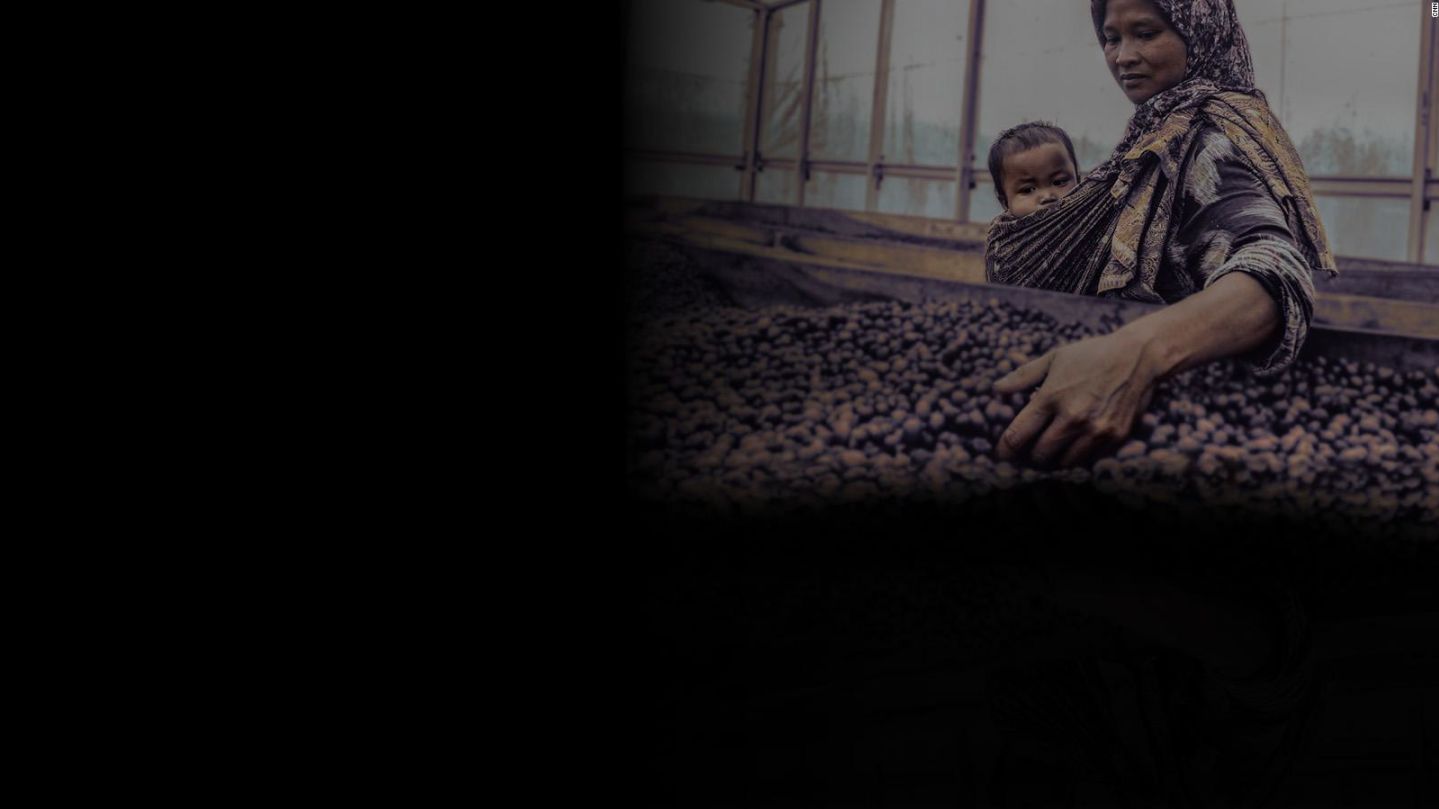
The heat in Sudan does not just sit on your skin. It heavy-presses against your lungs, smelling of scorched earth and the metallic tang of old adrenaline. For a mother in a makeshift camp on the outskirts of Port Sudan, the news of a $23.6 million aid package from Germany isn’t a headline or a line item in a federal budget in Berlin. It is a calculation of survival. It is the difference between a bowl of sorghum and another night of tightening the belt against the gnaw of hunger.
Sudan is currently the site of the world’s largest displacement crisis. While the eyes of the globe often flicker toward more televised conflicts, the civil war between the Sudanese Armed Forces and the Rapid Support Forces has turned a nation into a graveyard of ambitions. Homes are no longer shelters; they are memories. Schools are no longer centers of learning; they are barracks or rubble.
The Math of Mercy
Numbers are often used to hide the scale of tragedy. We hear "25 million people in need of humanitarian assistance" and our brains switch off. The scale is too vast. It is a statistical white noise. But consider a woman we will call Amna.
Amna fled Khartoum when the shelling started, carrying nothing but a plastic jug of water and her youngest son. In her old life, she was a teacher. Now, she is a seeker of shadows. For Amna, Germany’s commitment of an additional 22 million euros—roughly $23.6 million—this year represents a tangible, physical shield.
This money isn't just sitting in a bank account. It is being converted into mobile clinics that treat cholera outbreaks in the rainy season. It is being turned into high-energy peanut paste for toddlers whose ribs have become too prominent. It is the logistical fuel for trucks that must navigate warlord-controlled checkpoints to reach the hungry.
Germany’s Foreign Office recently made this pledge clear: the world cannot look away. This latest injection of funds brings Germany’s total contribution to Sudan and its neighboring countries to a staggering 245 million euros for the year 2026. It is a massive sum, yet it competes against a deficit of human despair that grows by the hour.
The Invisible Logistics of a Lifeline
How does a digit on a screen in Europe become a life saved in North Africa? The process is a harrowing gauntlet of diplomacy and grit.
The funds are channeled through international organizations—the UN High Commissioner for Refugees, the World Food Programme, and various NGOs that operate in the "Red Zones." These groups are the ones buying the grain, hiring the local drivers who know which roads are mined, and setting up the tents that become temporary cities.
When the German government releases these funds, they aren't just sending "aid." They are sending a signal to the rest of the international community. It is a nudge to other wealthy nations that the "forgotten war" must remain on the ledger. Without this specific $23.6 million, several programs scheduled to sunset in the coming months would have simply vanished.
Imagine a clinic closing its doors while a line of three hundred people waits outside. That is the reality of a funding gap.
Why This Matters to a World Thousands of Miles Away
It is easy to wonder why a country like Germany, facing its own economic pressures and domestic debates, continues to pour millions into a conflict that seems so far away. The answer isn't just altruism. It is a cold, hard understanding of global connectivity.
Stability is not a localized commodity. When a state as large and central as Sudan collapses, the shockwaves travel. They travel through migration routes. They travel through disrupted trade. They travel through the vacuum of power that allows extremism to take root in the Sahel.
But beyond the geopolitical strategy lies a deeper, more uncomfortable truth. We are witnessing the systematic dismantling of a culture. Sudan is a land of poets, architects, and ancient history. Every time a funding goal isn't met, a piece of that collective human heritage is erased. If the farmers can't plant because they are fleeing, and they can't eat because the aid didn't arrive, the cycle of dependency becomes a permanent cage.
The $23.6 million is an attempt to break that cage.
The Sound of Silence in the Camps
If you walk through the camps in eastern Sudan, the most striking thing isn't the noise. It’s the quiet. It is the silence of people who have spent their last bit of energy just reaching safety.
There is a specific kind of dignity found in these rows of white plastic sheeting. You see it in the way a father meticulously cleans the one shirt he owns. You see it in the way children invent games using nothing but stones and bottle caps.
Germany’s aid goes toward the basic necessities that preserve this dignity. Clean water is the most vital. In a conflict zone, water is often used as a weapon. Wells are poisoned or guarded by snipers. Providing a centralized, safe water source does more than prevent dehydration; it removes the "target" from the backs of women and children who would otherwise have to trek miles into dangerous territory to find a stream.
The Fragility of the Promise
We must be honest about the limitations. $23.6 million is a fortune to an individual, but for a nation of 48 million people caught in a scorched-earth war, it is a drop of rain in a drought.
The UN’s humanitarian response plan for Sudan remains chronically underfunded. Even with Germany’s leadership, the gap between what is needed and what is provided is wide enough to swallow entire generations. The money provides the "how" of survival, but the "when" of peace remains elusive.
This aid buys time.
It buys a month of stability for a family in a camp. It buys a week of antibiotics for a field hospital. It buys a day of hope for a teenager who hasn't seen a classroom in two years.
Germany’s decision to increase its stake in Sudan’s survival isn't just about the money. It’s about the refusal to accept that some lives are less valuable because of the geography of their birth.
As the sun sets over the Nile, casting long, bruised shadows over the ruins of Khartoum, a truck shifts into gear. It is carrying supplies funded by taxpayers in a country thousands of miles to the north. It moves slowly over the rutted earth, carrying the weight of a million small miracles.
The world is watching, or at least, some of it is. For the mother waiting in the dust, the politics don't matter. The press releases don't matter. Only the arrival of the truck matters.
The heat is still there. The hunger is still there. But for tonight, the silence in the camp is the silence of sleep, not the silence of the end.