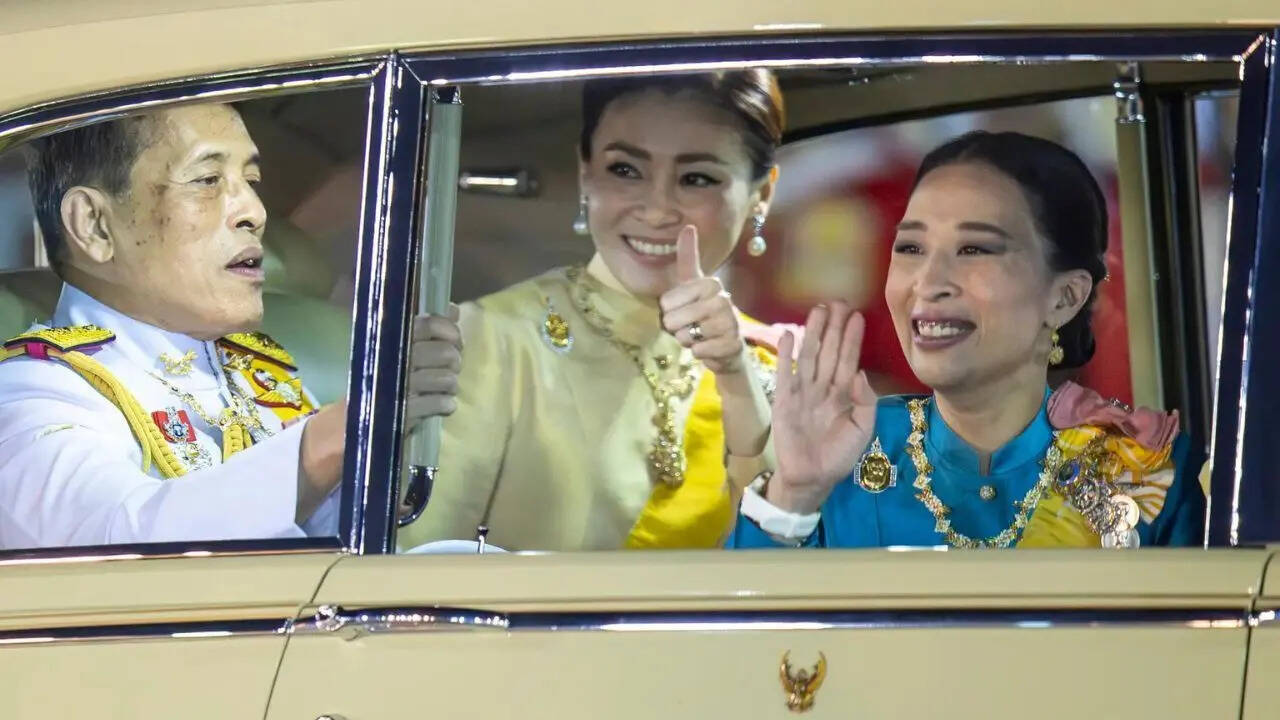
The death of Princess Bajrakitiyabha Mahidol at age 47 marks the end of a painful, three-year vigil for Thailand. It also shatters the unspoken plan for the future of the Chakri dynasty.
When the Bureau of the Royal Household confirmed that the princess passed away at King Chulalongkorn Memorial Hospital in Bangkok after a long battle following a December 2022 collapse, the nation didn't just lose a beloved royal. They lost the one person everyone assumed would steady the ship of the Thai monarchy.
Let's look past the official grief and the mandatory mourning periods. The real story here is a looming succession crisis that just got infinitely more complicated.
The Long Fight in the Shadows
The palace kept details sparse for years, but the final medical reality was grim. Princess Bajrakitiyabha—affectionately known as Princess Bha or Princess Pa—initially collapsed while training her dogs in Nakhon Ratchasima province. The culprit was a severe cardiac arrhythmia triggered by a mycoplasma infection.
She never regained consciousness.
Behind the scenes, her body was kept alive by medical technology. By late 2025, severe bloodstream infections took hold. Her kidneys and lungs required total mechanical support. The final blow came with severe abdominal infections and colitis that caused her major organs to fail.
For the Thai public, her life in a coma became a metaphor for the frozen state of royal politics. Her passing forces a reality check that nobody in Bangkok's halls of power wanted to face.
The Succession Plan That Wasn't
King Maha Vajiralongkorn is 73 years old and has yet to name an official heir. In a kingdom where the monarchy sits at the absolute center of political gravity, that isn't just unusual. It's dangerous.
Before her collapse, Princess Bajrakitiyabha was the smartest bet for the crown, even if the palace never said it out loud. A 1974 constitutional amendment opened the door for women to ascend the throne. She had the resume, the public affection, and her father's absolute trust.
Look at her background compared to the rest of the family. She earned a doctorate in law from Cornell University. She worked as a public prosecutor. She served as Thailand's ambassador to Austria and became a UN Goodwill Ambassador, championing the "Bangkok Rules" for the treatment of women prisoners. She even held the rank of general in the Royal Security Command.
Basically, she did the work.
With her out of the picture, the spotlight falls squarely on Prince Dipangkorn Rasmijoti, the King's 20-year-old son.
Here is where it gets tricky. Prince Dipangkorn has spent the majority of his life living quietly in Germany, far away from the intense public scrutiny of Bangkok. Royal experts have long whispered about his readiness to take on the staggering burdens of the Thai throne.
The unofficial plan among royal watchers was elegant: Dipangkorn would become King, and the highly capable, politically savvy Princess Bajrakitiyabha would act as his regent, guiding him and running the daily machinery of the palace.
That safety net is completely gone.
Why the Monarchy Can't Afford Uncertainty
Thailand's political landscape isn't exactly peaceful. The country has bounced between military coups, street protests, and fragile democratic experiments for decades. Through all of it, the palace relied on a deep well of traditional reverence to maintain its position.
King Bhumibol Adulyadej, who ruled for seven decades, built that reverence through a lifetime of rural development projects and immense personal charisma. The current King hasn't chosen the same public-facing path.
Princess Bajrakitiyabha was the bridge back to that older, more respected style of royalty. She didn't just sit in palaces; she was the face of genuine criminal justice reform. When she died, the monarchy lost its best public relations asset.
The remaining options for succession carry heavy baggage. The King has four other sons from a previous marriage, but they were stripped of their royal titles back in 1996 and live in exile. While one of them, Vacharaesorn Vivacharawongse, made headlines by returning to Thailand for visits recently, his status remains entirely unofficial. Bringing an exiled son back into the fold would trigger massive palace infighting.
What Happens Next on the Ground
If you're watching Thailand over the coming months, don't expect immediate political chaos, but do look for these specific shifts:
- Extended Mourning Protocols: The government will mandate black attire for civil servants, flags will drop to half-mast, and the vibrant nightlife in Bangkok and Phuket will scale back out of respect.
- The Crown Prince Question: Pressure will quietly build on King Vajiralongkorn to finally issue a Royal Decree naming an official successor. The longer he waits, the more unstable the political vacuum becomes.
- Military Realignment: The Thai military and the royal elite are deeply intertwined. Watch how senior generals align themselves with the remaining royal factions. Their backing is what keeps any future monarch on the throne.
The loss of Princess Bajrakitiyabha isn't just a family tragedy for the House of Chakri. It's a structural fracture in the foundation of Thai governance. The palace managed to delay the future for three years while she was on life support. Now, time has officially run out.