Don't let the polite handshakes and muted speeches fool you. The sudden drop in volume at Singapore's Shangri-La Dialogue isn't a sign that the Asia-Pacific has suddenly figured out how to get along. It's a calculated tactical pause.
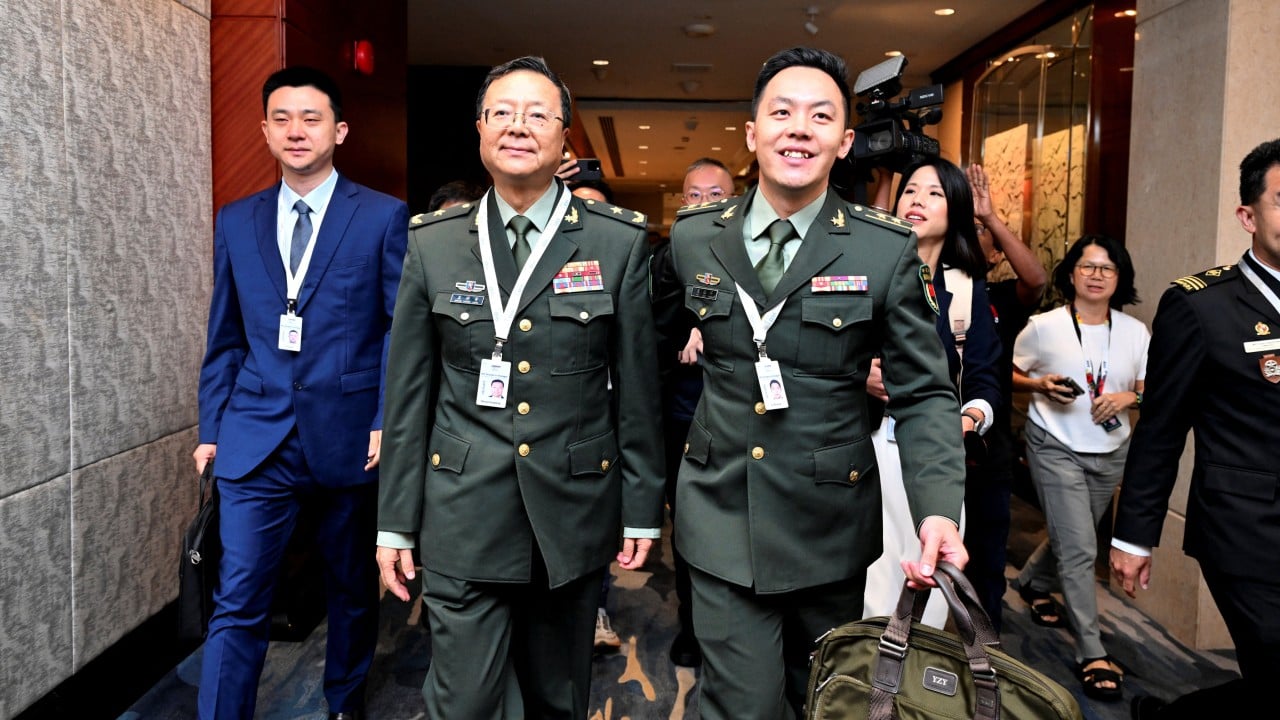
For years, this defense summit has served as a theatrical stage for high-decibel shouting matches between Washington and Beijing. But right now, the geopolitical theater has gone quiet. U.S. Defense Secretary Pete Hegseth just took the podium and delivered a speech that completely flipped the script from his fiery warnings last year. Instead of calling out China's "imminent threat" to Taiwan, he praised bilateral relations as being "better than they've been in many years," fresh off President Donald Trump’s recent visit with Xi Jinping in Beijing. China, for its part, kept its public remarks restricted to vague grumblings about "hegemonism" via lower-level representatives like Major General Meng Xiangqing.
But if you think this rhetorical reset means the risk of conflict has dropped, you're misreading the room. While the superpowers tone down the public drama, the actual military reality on the water and beneath the waves is accelerating. The danger hasn't passed. It has simply gone underground—and underwater.
The Illusion of the Reset
To understand why the region is on edge despite the friendly optics, you have to look at what's driving the sudden shift in tone. The calm is top-down, driven by a temporary diplomatic realignment between the White House and Zhongnanhai. Trump’s recent trip to Beijing created a mandate for both sides to avoid public peacocking.
Hegseth’s address reflected a strict new script. He explicitly told the audience that the era of "performative outrage" and loud diplomatic protests is over. Washington is shifting toward a "big stick, speak softly" model. In fact, Hegseth’s speech was most notable for what it left out. He didn't mention Taiwan a single time in his prepared remarks, a staggering omission for an American defense chief at this forum.
But regional players aren't breathing a sigh of relief. They know that tactical silence doesn't equal strategic change. Former Pentagon official Chris Estep noted that Beijing's pressure against Taipei hasn't changed at all over the last twelve months, warning that Washington's silence will speak volumes to anxious allies.
Subsea Sabotage and the Grey Zone Reality
While the diplomats use softer language, the military footprint in the region tells a completely different story. The real flashpoints aren't changing just because the speeches are nicer.
Look at what’s happening to critical infrastructure. During a plenary session, Australian defense officials forced the room to confront a pattern of behavior that doesn't make the evening news but poses an existential threat to regional stability. Since late 2024, a series of subsea internet cables have been severed across both the Baltic and the Taiwan Strait.
"Over the past eighteen months, we have witnessed a series of attacks against subsea critical infrastructure at a scale and frequency that is historically unprecedented," Australian policymakers warned.
This is classic grey zone warfare. It’s designed to damage a nation's core functionality while remaining just below the threshold of open military conflict. If a cable gets cut by a commercial trawler dragging an anchor, proving intent is nearly impossible. It offers perfect plausible deniability. Yet, the economic and intelligence fallout is immediate.
Combine this underwater sabotage with China's persistent island-building, extensive militarization, and aggressive coastguard maneuvers in the South China Sea, and the picture becomes clear. The rhetoric is dialed down, but the operational tempo is dialed way up.
The End of the American Defense Subsidy
If you're an ally of the United States in Asia, the most uncomfortable takeaway from Singapore isn't what Hegseth said about China. It’s what he said about you.
Washington is using this period of rhetorical calm to reshape its alliances. The message to wealthy partners in the region was blunt: the days of relying entirely on Uncle Sam to foot the bill are over. The Pentagon's new National Defense Strategy makes it clear that Washington wants partners, not protectorates.
The administration is demanding that regional allies step up their own game. Hegseth laid down a clear benchmark, expecting partners to rapidly scale up their defense spending to 3.5% of GDP.
Some are already moving. South Korea’s President Lee Jae Myung has committed to that 3.5% target. Japan is undergoing a historic military shift of its own. Even amid the diplomatic lull, the U.S., Australia, and the UK used the Singapore summit to announce a major expansion of the AUKUS agreement, committing to jointly deploy a new fleet of advanced underwater drones built by British and American firms.
The strategy is transparent. Washington wants to set a balance of power in the Pacific, but it expects regional players to build the hard combat power required to sustain it.
Walking the Superpower Tightrope
For Southeast Asian nations, this shifting dynamic creates a brutal balancing act. Vietnamese leader To Lam opened the dialogue with a keynote address that highlighted this exact vulnerability. He pointed directly to how easily regional flashpoints—like recent disruptions in the Strait of Hormuz—can trigger catastrophic global shocks in supply chains and energy logistics.
Vietnam’s position mirrors the dilemma faced by almost every capital in the region:
- Economic Reality: China remains their largest two-way trading partner.
- Security Reality: Beijing’s sweeping maritime claims directly threaten their sovereign waters.
- The American Factor: The U.S. is their largest export destination and a crucial security counterweight, but Washington’s long-term consistency remains an open question.
What these nations want is a predictable balance of power where competition is bound by law and exercised with restraint. What they're getting instead is a quiet arms race.
What Happens Next
The temporary drop in public hostility between Washington and Beijing offers a window of opportunity, but it isn't a permanent peace. If you're tracking security risks in the Indo-Pacific, you need to look past the speeches and watch the practical indicators on the ground.
First, keep a close eye on regional defense budgets. Watch whether countries like Taiwan and the Philippines match the spending increases seen in Seoul and Tokyo, or if the lack of vocal U.S. pushback causes them to hesitate.
Second, watch the grey zone infrastructure. The real test of stability won't be found in a joint diplomatic communique. It will be found in whether the subsea cables staying connected, whether the coastguard standoffs around disputed shoals turn violent, and whether the quiet buildup on the water breaks out into the open once the current diplomatic ceasefire outlives its usefulness.
The superpowers have changed their playbook from loud outrage to quiet preparation. Everyone else in the region is busy trying to make sure they aren't caught off guard when the volume goes back up.
The security dynamics discussed at the summit show why nations are shifting from words to hard capabilities. To see how these defense priorities are playing out on the ground, you can watch this brief analysis of the regional security discussions at Shangri-La, which features insights from defense ministers on why credible partnership is replacing empty rhetoric.