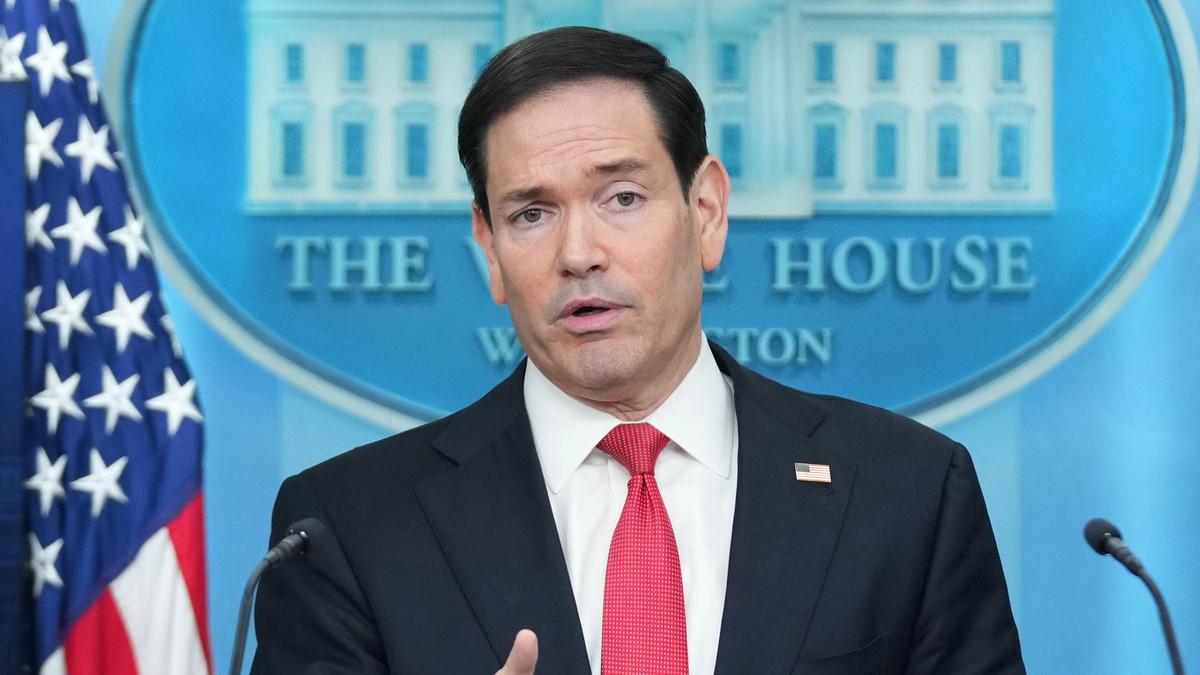
U.S. Secretary of State Marco Rubio is touching down in New Delhi on May 24 for a three-day high-stakes marathon that the standard diplomatic press is framing as a "routine bilateral." It is anything but. While the official itinerary highlights a 250th-anniversary celebration of the U.S. Declaration of Independence and the first Quad Foreign Ministers’ Meeting in nearly a year, the real agenda is a desperate attempt to patch a relationship fraying under the weight of trade wars, energy shocks, and a shifting world order.
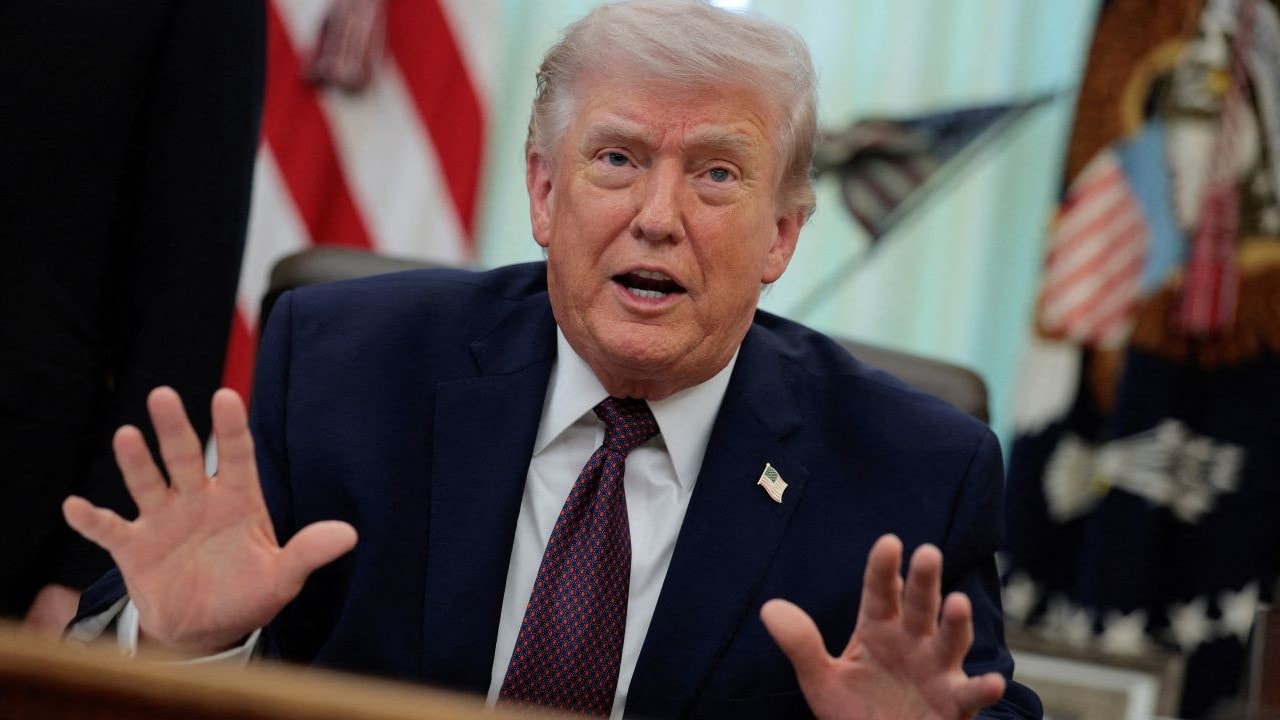
Rubio’s visit follows a precarious pause in U.S. naval operations in the Strait of Hormuz and a direct visit to Beijing by President Trump. For India, the arrival of Washington’s top diplomat is a balancing act. New Delhi is currently chairing BRICS, hosting Russian and Chinese officials just weeks before welcoming the Quad. The fundamental tension here is clear: the U.S. wants India as a definitive counterweight to China, while India is increasingly proving it will not be anyone’s junior partner.
The Trade Deadlock and the Tariff Shadow
At the heart of Rubio’s meetings with External Affairs Minister S. Jaishankar and Prime Minister Narendra Modi is a Bilateral Trade Agreement (BTA) that has become a legislative ghost. Despite a "framework" announced in February, the deal is paralyzed. The U.S. applied a reciprocal tariff rate of 18% on India, but American courts have thrown a wrench into the administration's "liberation day" tariff strategy.
The friction is not just about abstract numbers. Indian tech giants and pharmaceutical firms are watching the H1-B visa restrictions closely. Recent shifts in U.S. immigration policy have rattled the people-to-people ties that usually serve as the bedrock of this alliance. Rubio must convince Delhi that the U.S. remains a stable market, even as Washington leans into protectionism. The $20.5 billion in Indian investment recently promised at "Select USA" is a massive carrot, but India wants reciprocal market access, not just a one-way street for capital.
The Quad’s Identity Crisis
On May 26, Rubio will join counterparts from Japan and Australia for the Quad Foreign Ministers’ Meeting. The group has been adrift. It hasn’t met at the ministerial level since July 2025, and a leaders' summit has been delayed for two years.
This meeting is a rescue mission for the Indo-Pacific strategy. The focus is shifting toward the Quad Indo-Pacific Logistics Network and critical mineral supply chains. Washington needs India to commit to a more integrated defense posture, specifically in anti-submarine warfare. India’s recent purchase of six additional P-8I Neptune aircraft shows a willingness to buy American hardware, but New Delhi remains wary of being drawn into a formal military alliance that could provoke a permanent rupture with Beijing.
The Energy Trap
The ongoing conflict in West Asia has forced the U.S. into a series of awkward compromises. Washington recently had to grant India a 30-day waiver to continue purchasing Russian oil—a waiver that was just renewed in April. The global energy supply is too tight for the U.S. to enforce its usual sanctions regime without causing a domestic price spike that would be political suicide before the November mid-terms. Rubio’s job is to manage this hypocrisy. He needs to transition the conversation toward civil nuclear cooperation, following India’s landmark 2025 Nuclear Energy Act, which finally opened the door for American private investors.
Strategic Autonomy vs. Global Realignment
India’s diplomatic calendar this month is a masterclass in strategic autonomy. Hosting BRICS and the Quad in the same city within the same month is a calculated move by the Modi government. It signals to the world that India is the ultimate swing state.
While Rubio will brief the Quad on Trump’s Beijing visit, India will be evaluating whether the U.S. is actually seeking a "Grand Bargain" with China that could leave Delhi isolated. The trust deficit is real. Washington’s focus has been diverted by the Iran conflict, leaving Indian officials feeling like a secondary priority. Rubio’s presence is an attempt to prove that India is the "most consequential" partner, but the rhetoric is starting to wear thin without a finalized trade deal.
Bold moves in defense technology and space cooperation are the only things keeping the momentum alive. The "Initiative on Critical and Emerging Technology" (iCET) is the quiet engine of the relationship, far removed from the loud debates over tariffs and visas. If Rubio fails to move the needle on these technical partnerships, the visit will be remembered as a high-profile photo op rather than a strategic pivot.
The next 72 hours in Delhi will determine if the U.S.-India partnership can survive the transition from a shared set of values to a transaction-based reality. The time for flowery speeches about shared democracy has passed. Rubio needs to deliver a deal that makes sense for an India that is no longer content to wait in the wings. Watch the language used around the "Logistics Network"—that is where the real commitment, or lack thereof, will be hidden.