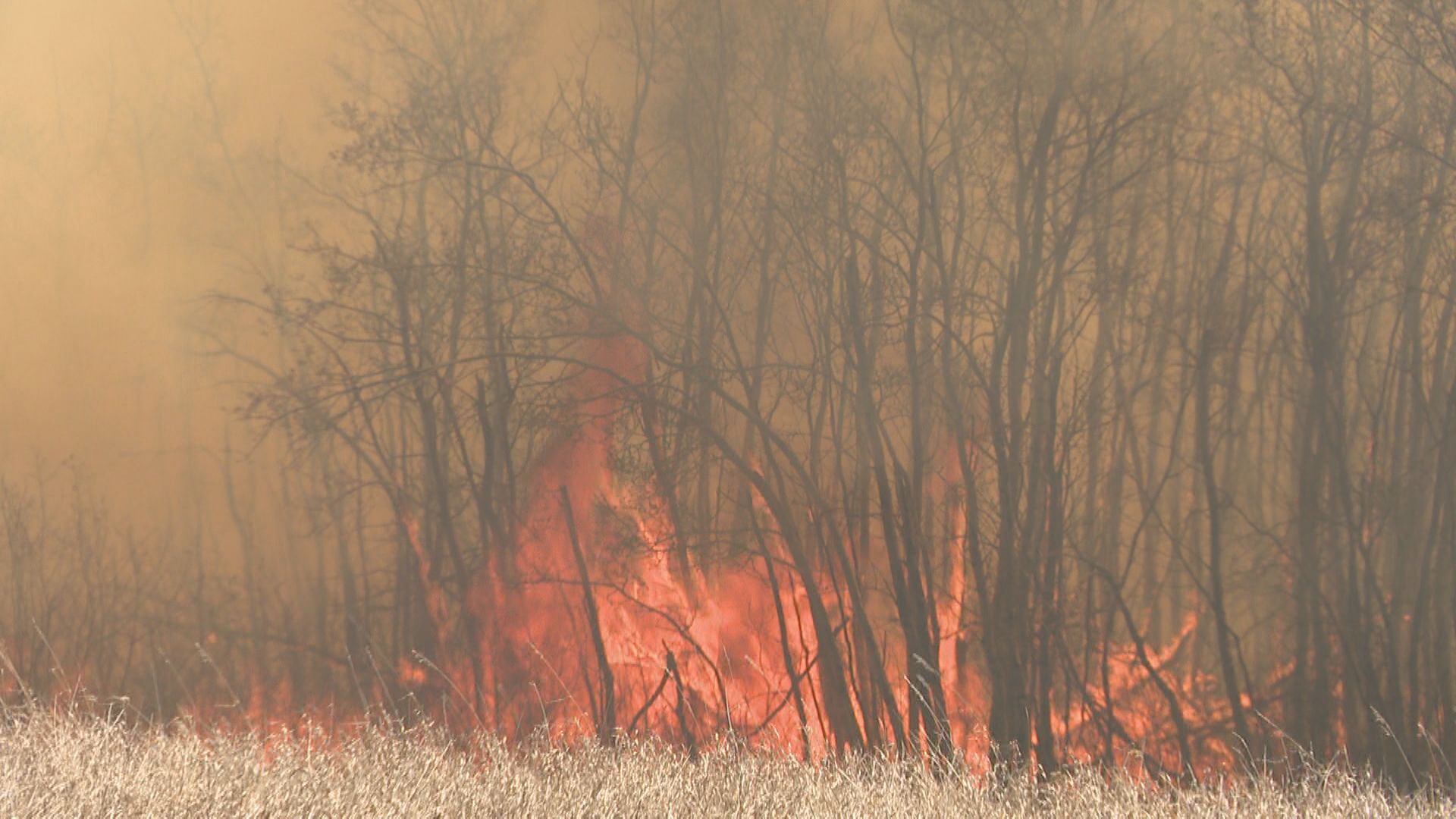
Saskatchewan is currently split between two extremes. While northern communities are still wrestling with floodwaters and rapid snowmelt, the southern half of the province is a tinderbox. It’s a bizarre contrast that’s catching people off guard. Officials are sounding the alarm because the ground is deceptive right now. You might see mud and puddles from the spring thaw, but the dead grass sitting on top is bone-dry and ready to ignite in seconds.
The Saskatchewan Public Safety Agency (SPSA) isn’t just being cautious for the sake of it. We’ve already seen a surge in early-season blazes. Last weekend alone, crews in Kenaston were stretched thin fighting three separate fires. One started from a simple outdoor cookout. Another was sparked by hot exhaust in a ditch. This is the reality of a "dead grass" season. Until things green up, the risk of a runaway grass fire is at its peak.
The Invisible Threat of Dead Fuel
Most people think of wildfires as a mid-summer problem. That’s a mistake. The period between the snow disappearing and the first real "green-up" of the grass is actually one of the most volatile times for the prairies.
The science is simple. Last year’s dead vegetation hasn't been replaced by moisture-rich new growth yet. This "cured" grass has zero moisture content. Combine that with the high winds we’ve been seeing lately, and you have a recipe for disaster. A single spark from a dragging trailer chain or a discarded cigarette can travel the length of a football field in minutes.
In Star Blanket Cree Nation, a recent wildfire proved how fast things can escalate. The fire didn't just stay in the brush; it consumed multiple structures and forced residents to be ready for evacuation at a moment’s notice. When the wind picks up, smoke makes visibility near zero on the roads, making an actual evacuation even more treacherous.
Human Error Is the Leading Cause Right Now
Lightning isn't the culprit this early in the year. In Saskatchewan, nearly 100% of early-season wildfires are caused by humans. We’re talking about things that are entirely preventable.
- Controlled burns gone wrong: Farmers and landowners trying to clear brush often underestimate how quickly a shift in wind can turn a small pile into a massive blaze.
- Vehicle exhaust: If you’re driving an ATV or a truck through tall, dry grass, the heat from your muffler is enough to start a fire.
- Inadequate equipment maintenance: Hot wheel bearings on boat trailers or farm machinery are a frequent, overlooked cause.
Current data shows that 18 communities are still under states of emergency due to flooding, but that shouldn't lull you into a sense of security. The SPSA active incident map is already showing dozens of fire bans across Rural Municipalities like Vanscoy, Dundurn, and Blucher. These aren't suggestions. They are legal restrictions meant to keep volunteer fire departments from being overwhelmed.
The Problem With Our "Preparedness Gap"
Recent surveys from First Onsite Property Restoration suggest that while 74% of Saskatchewan residents are worried about wildfire smoke, only a fraction are actually prepared to leave. There’s a massive gap between acknowledging the risk and having a "go-bag" ready.
We’ve seen what happened in Fort McMurray and more recently across the border in Alberta. Waiting until you see flames on the horizon to pack your documents and medicine is a gamble you’ll likely lose.
How to Not Start a Fire This Week
If you're in an area under a fire ban, follow it. It’s that simple. Even if your RM hasn't issued a formal ban yet, you should act as if they have.
Check your trailer chains. Ensure they aren't dragging on the pavement and throwing sparks into the ditch. If you're working with machinery in the fields, keep a fire extinguisher or a large water sprayer handy. Most importantly, don't throw cigarettes out the window. It sounds like a cliché from a 90s PSA, but it’s still a leading cause of ditch fires that jump into farmyards and treed areas.
The moisture from the winter snow is gone. The "green-up" is still a few weeks away. Until then, the province is on a knife-edge. Don’t be the reason your neighbors have to evacuate.
Stay updated on the latest fire bans through the SPSA interactive map. If you see smoke, don't wait for a news report—call it in immediately. Early detection is the only reason we haven't seen a major catastrophe yet this spring. Keep your equipment clean, your fire pits covered, and your eyes on the horizon.