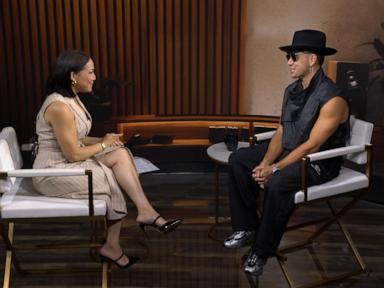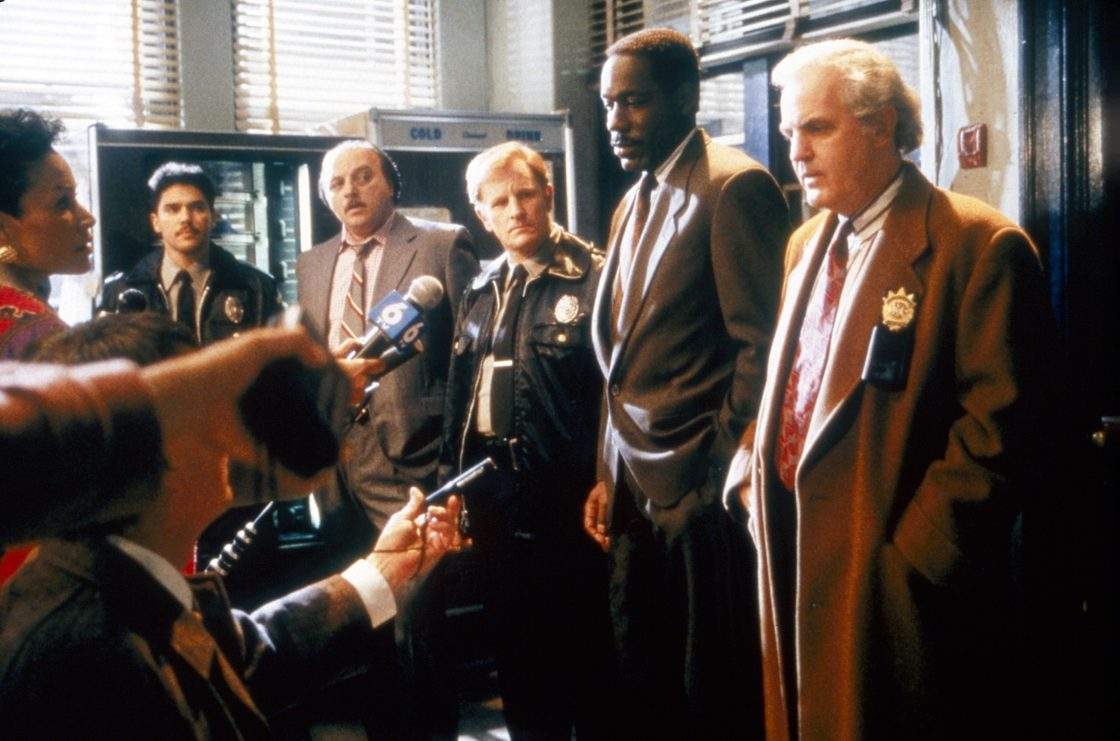
The tragic murder of veteran character actor James Handy in Tarzana has triggered the predictable, automated machinery of Hollywood grief. Eighty-one years old, stabbed to death outside his home, a horrific 911 call featuring biblical delusions from a suspect—it is a grim, sensational story tailor-made for immediate aggregation. Clickbait factories and legacy publications alike are frantically pasting his headshots from Top Gun: Maverick, Jumanji, and NYPD Blue alongside quotes from agents calling him "humble" and "gracious."
It is a performance. The industry didn’t care about James Handy when he was alive, and these frantic, post-mortem celebrations of the "working class actor" are nothing more than a collective exercise in self-absolution.
Hollywood treats its middle-class talent like disposable livestock during their careers, only to elevate them to saint status the moment they die under tragic circumstances. If you want to honor a man who built a six-decade career across 150 credits, stop writing lazy obituaries that pretend the studio system respects the archetype he represented.
The Myth of the Valued Character Actor
The narrative flowing through every major entertainment outlet right now is a romantic lie. They frame the character actor as the "backbone of the industry," a beloved staple whom audiences recognize even if they don't know his name. This is a comforting myth designed to mask an ugly financial reality.
In truth, Hollywood has spent the last twenty years actively eradicating the economic viability of the career James Handy carved out.
I have watched studios systematically dismantle the middle-tier casting budget. The industry has weaponized a hyper-bifurcated star system: you are either an unkillable A-list intellectual property asset drawing an eight-figure salary, or you are an interchangeable day-player fighting for scale wages. The middle class of Hollywood—the exact zone where actors like Handy built lasting, respectable lives—has been strip-mined.
Consider the mechanics of modern television production. The shift from 22-episode network seasons to 8-episode streaming orders didn't just slash the amount of available work; it decimated the residual structures that kept character actors afloat between gigs. When Handy was appearing in NYPD Blue, The X-Files, or Seinfeld during the 1990s, syndication meant that a working actor could count on consistent, predictable income over a multi-year horizon.
Today, a streaming residual check for a guest star on a hit show is routinely a joke—literal pennies arriving in an envelope that cost more to print than the check is worth. The industry didn't value James Handy's labor; it tolerated it as a line-item expense that could be optimized downward at the first opportunity.
Distorting a Legacy for SEO Keywords
The current media coverage exposes how deeply cynical entertainment journalism has become. Look at the headlines plastering the internet. They scream about the "Top Gun: Maverick actor" or the "Jumanji star."
This is an insult to the scope of an actual journeyman's career. Handy played a bartender named Jimmy in Top Gun: Maverick. He had a handful of lines. He was a piece of the background texture that allowed Tom Cruise and Jennifer Connelly to look like they inhabited a real world. He did his job flawlessly, because that is what a professional does. But to reduce an entire life's work spanning sixty years down to a 2022 blockbuster just because it ranks high on Google Trends is a profound display of disrespect.
It fundamentally misunderstands what a character actor is. Handy was not a star of those films. He was an anchor. His real legacy lives in the relentless grit of his filmography: showing up on Ryan's Hope in 1977, grinding through procedural dramas like Law & Order, NCIS: Los Angeles, and Criminal Minds, and delivering unforgettable, brief turns in Arachnophobia and Logan.
When the media uses his tragic death to farm clicks using unrelated blockbusters as bait, they aren't honoring a veteran. They are commodifying a homicide.
The Dark Reality of the Hollywood Retirement
There is a glaring omission in the standard reporting surrounding this tragedy. Commentators are marveling at his estimated net worth—pegged wildly by amateur financial blogs between $1 million and $3 million—as if that proves he made it. They point to his residence in Tarzana as a sign of Hollywood success.
They are missing the stark vulnerability that defines the aging creative class in Los Angeles.
Living as an elderly, retired or semi-retired actor in southern California is an exercise in precarity. When your income is entirely dependent on historical residuals and sporadic, late-career character spots, a multi-million-dollar net worth tied up entirely in a single piece of real estate is not luxury. It is a golden cage. The SAG-AFTRA pension and health plans have undergone repeated structural tightening, making it harder for older members who aren't constantly booking high-tier work to maintain premium coverage.
Handy was 81 years old, living a quiet domestic life in the San Fernando Valley, sharing his home with his partner and her adult son. This wasn't a glamorous Hollywood estate protected by armed security details and high gates in Bel-Air. This was a regular, middle-class suburban home on Erwin Street. The vulnerability of this setup is exactly what allowed a domestic tragedy to unfold in the front yard at 9:30 on a Wednesday morning.
The industry loves to celebrate the longevity of its veterans, but it offers them zero institutional protection once they step off the set for the final time.
Dismantling the Industry Consensus
The collective response to Handy's death demonstrates a massive failure in how we evaluate Hollywood careers. The industry wants you to ask: What was his biggest role? Who did he share the screen with?
Those are the wrong questions. The real question we should be asking is: Why does Hollywood make it impossible for the next generation of James Handys to exist?
Imagine a scenario where an actor starting out today tries to replicate Handy's trajectory. They try to accumulate 150 credits across television procedurals, independent films, and studio blockbusters. Under current industry conditions, they will fail before they hit credit twenty.
- The Audition Tax: The wholesale shift to self-tape auditions has shifted the financial burden of casting entirely onto the talent. Actors now pay for their own lighting, sound equipment, and readers, sending tapes into a digital void where casting directors routinely use automated filters to skim the top layer. The old-school method of building relationships in a room—the exact environment where a charismatic character actor shines—is dead.
- The Death of the Mid-Budget Film: The movies that fed actors like Handy—the Arachnophobias, the K-9s, the original Rocketeers—are no longer being made. Studios have abandoned the $30 million to $60 million adult drama or mid-tier thriller. Everything is either a $250 million superhero epic or a micro-budget horror film shot in a single house. There is no space left for the character actor to breathe, to create a memorable villain, or to provide the crucial texture that bridges the gap between absurdity and reality.
The Cost of the Performance
The grief pouring out from studio executives and agency representatives is hollow. It costs nothing to issue a statement calling a dead actor a "gracious client." It costs nothing to tweet a screenshot of a movie scene from three years ago.
What does cost something is structural reform. It costs money to pay fair residuals on streaming platforms. It costs money to fund pension plans adequately. It costs money to keep casting offices open so actors can actually meet human beings instead of performing for an algorithm.
If Hollywood truly wants to mourn James Handy, it needs to stop writing sanctimonious tributes and start looking at how it treats the living actors who are currently trying to survive in his footsteps. Until then, these obituaries are just another piece of public relations spin designed to make an exploitative industry feel better about itself.
The tragic end of James Handy wasn't a Hollywood movie. It was a real, brutal, domestic horror that occurred on a regular street in Tarzana. He spent sixty years giving his life to an industry that viewed him as background noise, and no amount of sudden, post-mortem praise can change that balance sheet.