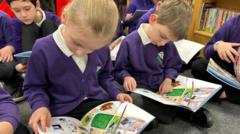
The headlines are finally bringing some good news. For the first time in five years, the number of children and teenagers who say they actually enjoy reading is climbing. It is a sudden turnaround that has caught plenty of educators and parents off guard. For years, the narrative was entirely negative. Smartphones were ruining attention spans. Social media apps had swallowed free time whole. Reading for pleasure was supposedly dead.
Except it isn't. The latest data shows a distinct shift in how young people spend their quiet hours.
This isn't happening because adults suddenly cracked the code or forced better habits. It is happening because the ways kids find and consume stories changed completely. If you look closely at the numbers, the reality is much more interesting than a simple headline. Teenagers are driving this change themselves. They are building communities around books, redefining what counts as reading, and rejecting the rigid rules adults used to judge them by.
The Surprising Shift in Youth Reading Habits
We spent half a decade watching reading rates plunge. Annual surveys from organizations like the National Literacy Trust repeatedly showed a downward trend in daily reading enjoyment among ages 9 to 18. Every year, the numbers hit record lows. Then something shifted. The latest reports show a measurable uptick in reading enjoyment.
Why now?
The answer isn't that kids suddenly decided to put down their phones. Instead, they used their phones to find books.
Think about the massive online communities dedicated entirely to paperbacks. Short videos featuring crying readers holding emotional fiction titles routinely get millions of views. Teenagers do not just want to consume content passively anymore. They want to feel something intense, and they want to talk about those feelings with their peers. Books give them that outlet in a way a fifteen-second video loop cannot.
Screen Fatigue Is Real
We often assume teenagers want to be online every second of the day. That is a massive misconception. Spending eight hours a day staring at pixels takes a toll. Many teens are openly admitting to feeling burned out by constant notifications, algorithm updates, and online drama.
Books have become a form of active resistance against screen fatigue.
Holding a physical book offers a sensory experience that an iPad simply cannot replicate. The smell of the paper, the tactile feeling of turning pages, the visual progress of moving a bookmark closer to the end. These things matter. It is a physical break from the digital noise. When a teenager opens a novel, the notifications stop. The group chats go quiet. It is one of the few places left where they have complete control over the pace of their entertainment.
The Rise of Graphic Novels and Manga
For decades, traditionalists looked down on comic books and graphic novels. They were viewed as lesser forms of literature, or stepping stones to "real" books. That snobbery did massive damage to reading rates.
Thankfully, that attitude is dying out.
Graphic novels and manga are major catalysts for this current reading boom. The visual storytelling format bridges the gap between high-speed internet visuals and traditional text. They require complex literacy skills to interpret layout, expression, and pacing simultaneously. Denying their value is foolish. Libraries and bookstores that expanded their manga sections saw immediate surges in teenage foot traffic.
Audiobooks Are Changing the Equation
Is listening to a book considered reading? Purists love to argue about this point. The short answer is yes. Audiobooks use the same language processing parts of the brain as physical reading.
Young people have embraced audiobooks completely. They listen while walking to school, while doing chores, or while playing video games that don't require heavy focus. It makes literature accessible to kids who struggle with learning differences like dyslexia. It removes the barrier of decoding words on a page, allowing the listener to focus entirely on the plot and character development.
What Schools and Parents Get Wrong
If you want a teenager to hate reading, force them to read a book they don't care about and make them write a five-page essay on it.
The education system has historically struggled with this. By turning reading into a high-stakes chore tied to standardized testing, schools accidentally stripped the joy out of the process. When a child associates books exclusively with anxiety and grading, they won't pick one up for fun on Saturday.
The recent rise in reading enjoyment is largely happening outside the classroom. It is happening in independent bookshops, on community apps, and during informal book swaps.
The Power of Autonomy
To keep this momentum going, adults need to step back. True reading enjoyment requires total autonomy.
If a teenager wants to read fantasy romance novels all summer, let them. If they want to read a biography of a sports star, buy it for them. Even if they are reading books that seem repetitive or simplistic, it does not matter. The goal is to build the habit of turning to print for entertainment. Once the habit is locked in, their tastes will naturally expand over time. Dictating what qualifies as worthy literature only pushes them away.
Practical Steps to Keep the Trend Alive
We cannot take this sudden upward trend for granted. Trends fade if they aren't supported by physical infrastructure and changing attitudes. If you want to support a young reader in your life, focus on actionable changes rather than lectures.
First, stop tracking their reading time. Weekly reading logs for school are notorious joy-killers. They turn a leisure activity into a bureaucratic task. Drop the timers and let them read until they feel like stopping.
Second, make books highly visible. Keep a stack on the living room table. Visit local libraries regularly without a specific agenda. Let them browse the shelves without hovering over their shoulder or commenting on their choices.
Finally, model the behavior yourself. If children never see the adults in their lives reading for pleasure, they won't view it as a valuable adult activity. Put your own phone away, pick up a book, and let them see you enjoying it. Action matters far more than advice.