The air in the backrooms of Tehran does not smell like the sterile corridors of the Great Hall of the People in Beijing. It smells of heavy tobacco, thick tea, and the sharp, metallic tang of anxiety. For decades, Iranian officials have viewed China not just as a trading partner, but as a lifeline—a massive, hungry dragon that would keep buying Persian oil no matter how many sanctions Washington piled onto the scale.
But the dragon is whispering to a different master now.
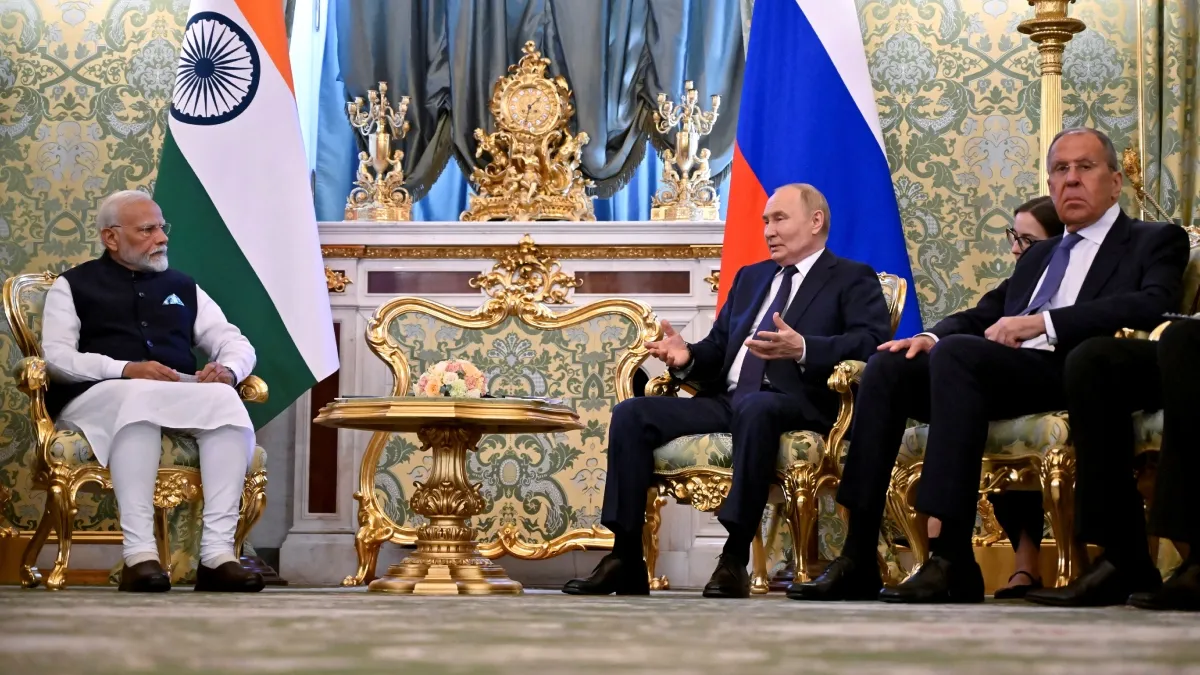
When Donald Trump and Xi Jinping sat down to discuss the future of global trade, the reverberations were felt far beyond the South China Sea. In the Iranian capital, the mood shifted from cautious optimism to a cold, calculated fury. The realization hit like a physical blow: in the high-stakes poker game between the world’s two largest economies, Iran is increasingly being treated as a bargaining chip, a small stack of markers to be traded for a better deal on semiconductors or soybean tariffs.
The Great Betrayal in Plain Sight
For years, the geopolitical narrative was simple. China and Iran were the twin pillars of an "Anti-West" axis. They signed a 25-year strategic cooperation pact that was supposed to be worth $400 billion. It was a grand vision of high-speed railways, 5G networks, and a steady flow of crude oil that would bypass the dollar entirely.
Then came the recent diplomatic pivots. As the Trump administration signaled a return to "Maximum Pressure" combined with a transactional "America First" diplomacy, Beijing didn't double down on its Persian ally. Instead, it started listening.
To understand the weight of this shift, consider a hypothetical merchant in the Grand Bazaar named Abbas. For thirty years, Abbas has imported textiles. He survived the Iran-Iraq war, the hyperinflation of the 2010s, and the COVID-19 lockdowns. He stayed afloat because he believed the "Eastward Look" policy of his government was a shield. But today, his Chinese suppliers are hesitant. They are asking for payments in ways that don't trigger the renewed scrutiny of a US-China trade truce. Abbas is realizing that his shield is made of paper.
The anger radiating from Tehran isn't just about lost revenue. It is about the loss of dignity. Iranian leadership feels that after years of being China's reliable energy station, they are being ghosted at the very moment the global order is being rewritten.
The Announcement That Chilled the Room
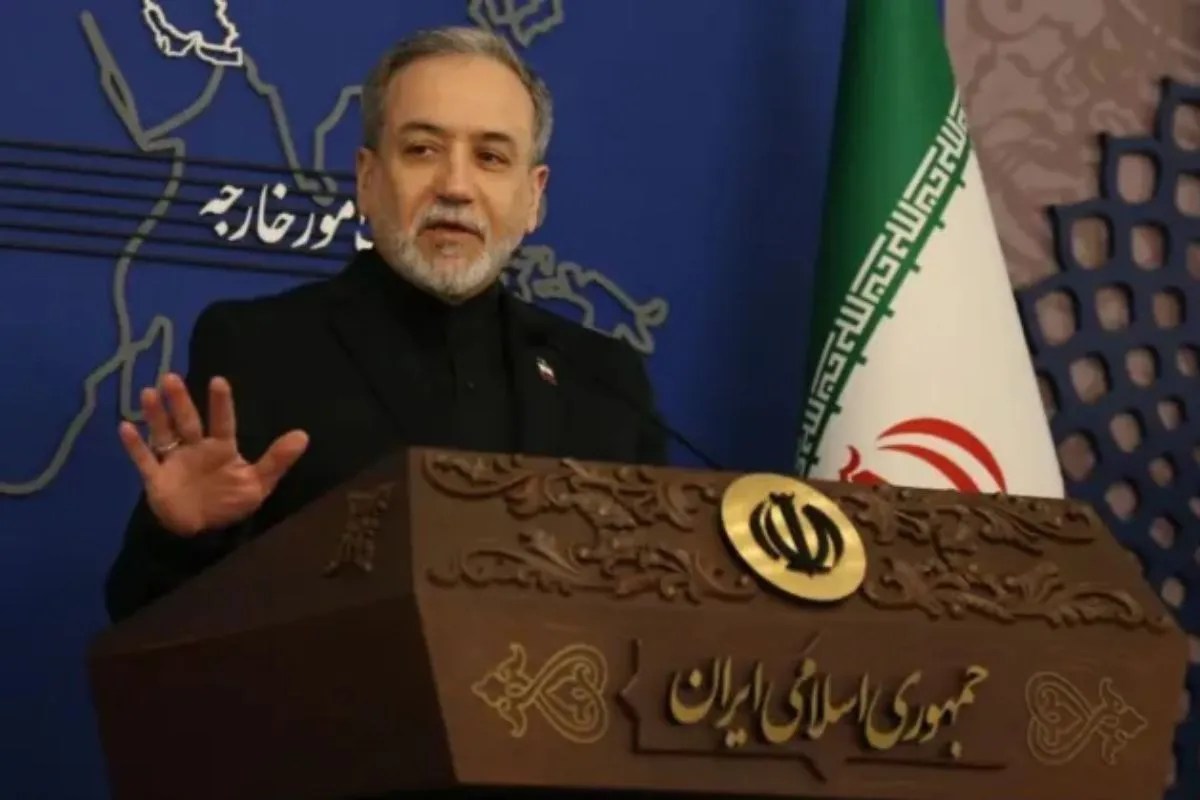
In response to the cozying up of Washington and Beijing, Tehran didn't just sulk. They made a move. The Iranian government issued a scathing announcement regarding their stance on the United States, effectively slamming the door on any back-channel diplomacy that many hoped would ease the regional tension.
They declared that the era of "strategic patience" is over.
This isn't just rhetoric. It is a desperate pivot. By hardening their stance against the U.S. in the wake of the Trump-Xi talks, Iran is attempting to force China’s hand. They are essentially saying, "If you want our oil and our strategic location, you cannot flirt with the man who wants to dismantle our economy."
It is a dangerous game of chicken. If Tehran pushes too hard, they risk total isolation. If they don't push at all, they become a footnote in a US-China trade agreement.
The invisible stakes here are the lives of millions of Iranians who have watched their currency, the rial, evaporate. Imagine a young engineer in Isfahan. She has the talent to build the world, but she spends her afternoons checking a black-market currency app to see if she can afford meat for dinner. To her, the Trump-Xi meeting isn't a headline about macroeconomics. It is the reason her wedding has been postponed for the third year in a row.
A Marriage of Convenience Meets a Midlife Crisis
The relationship between China and Iran was never a romance; it was a marriage of convenience. China needed cheap energy to fuel its manufacturing heartland. Iran needed a veto-wielding friend on the UN Security Council.
However, China's economy is currently facing its own internal demons. Real estate bubbles are popping. Youth unemployment is record-high. Xi Jinping needs stability with the U.S. more than he needs a rebellious, sanctioned oil provider in the Middle East. When Trump offers a path to trade stability, Xi is pragmatic enough to take it, even if it means leaving Tehran out in the cold.
The irony is thick. Iran spent a decade pivoting away from Europe, convinced that the future was silk and jade. Now, they find themselves in a position where the silk is being used to tie their hands. The "announcement" of further defiance against America is a signal to the world that Iran refuses to be a silent victim of this new bipolarity.
The Butterfly Effect of a Handshake
When world leaders shake hands in Mar-a-Lago or Beijing, the friction creates heat in places we rarely look. We see the stock market tickers green or red. We don't see the frantic meetings in the basement of the Iranian Central Bank. We don't see the shadow tankers in the Persian Gulf turning off their transponders, wondering if their Chinese buyers will still be there when they reach the port.
The real story isn't the policy. It is the uncertainty. Uncertainty is a poison that kills investment, kills hope, and eventually, kills regimes. Iran's latest announcement is a desperate attempt to inject some certainty back into the system, even if that certainty is a promise of further conflict.
Consider the math of a barrel of oil.
$$Price = (Supply + Demand) \times Geopolitical Risk$$
As Trump and Xi talk, the "Demand" variable becomes a tool of negotiation. If China agrees to buy less Iranian oil as part of a deal with the U.S., the "Risk" for Iran becomes existential. They have responded by trying to maximize the "Risk" part of the equation. If they can’t be part of the deal, they will make sure the world pays for the lack of one.
The world is watching a masterclass in the "Art of the Deal" colliding with a culture that invented the game of chess. In chess, the most dangerous moment is when you realize your opponent isn't playing the game you thought you were in. Iran thought they were playing a game of alliances. They discovered they were in a game of liquidation.
The lights stay on late in Tehran tonight. The tea has gone cold. The tobacco smoke has settled into the curtains. The announcement has been made, the defiance is on the record, but the silence from Beijing is the loudest thing in the room.
The dragon has a new seat at the table, and it didn't save a chair for its oldest friend.