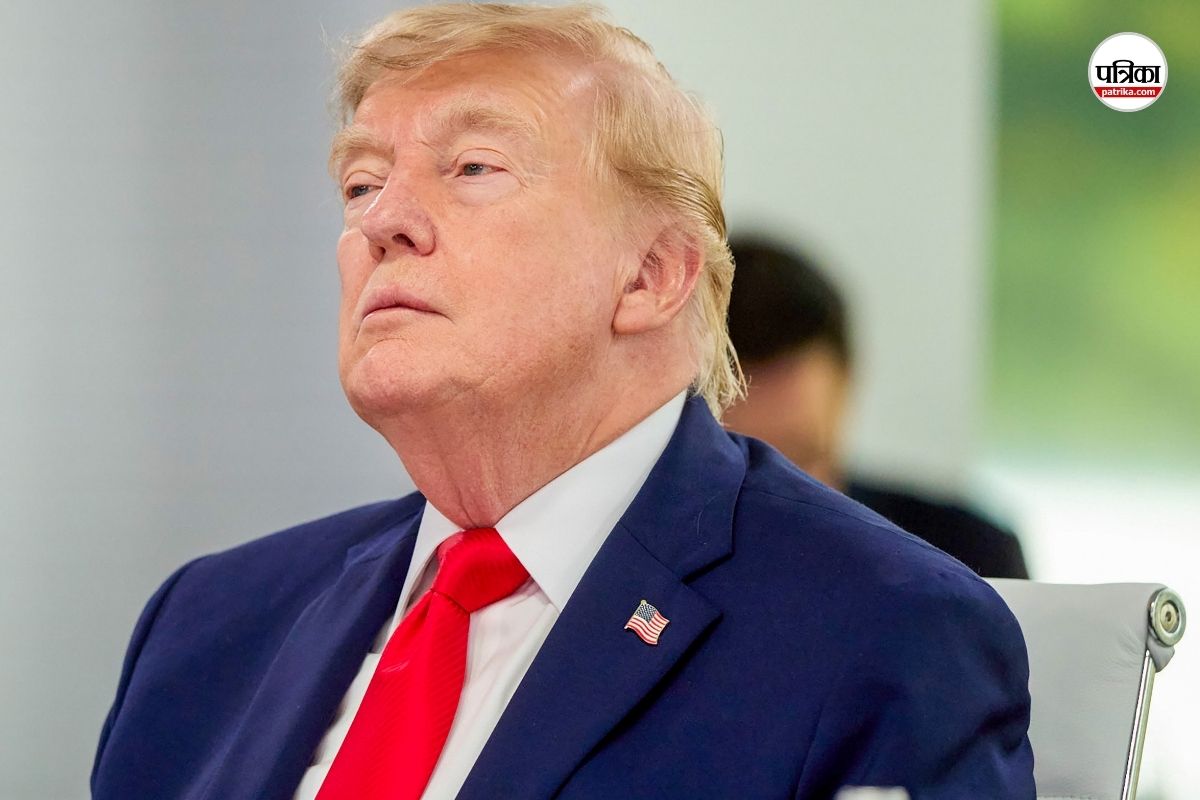
The traditional structure of post-war military alliances operates on a principle of collective security, sustained by shared financial commitments and standardized defense budgets. However, recent developments in the relationship between the United States executive branch and the North Atlantic Treaty Organization (NATO) signal a structural shift in alliance management. The administration has altered its primary metric of alliance value, moving from financial compliance—exemplified by the push for allies to spend 5 percent of GDP on defense—to a strict demand for geopolitical alignment and unconditional strategic support during conflicts.
This transformation became explicit during recent bilateral meetings at the White House, where the administration openly minimized the significance of defense spending increases in favor of demanding absolute diplomatic and military loyalty. The transition exposes a fundamental mismatch between traditional institutional diplomacy and a transactional foreign policy model that prioritizes immediate, actionable alignment over long-term institutional agreements.
The Friction points in the Burden-Sharing Model
For nearly a decade, American pressure focused heavily on the financial inputs of the alliance. Under the standard burden-sharing framework, NATO member states are evaluated based on their domestic defense expenditures relative to Gross Domestic Product (GDP). The administration's historical rhetoric targeted nations failing to meet the baseline targets, characterizing under-spending as a direct financial liability borne by the American taxpayer.
This financial friction culminated in a policy objective demanding that European allies elevate their defense spending to 5 percent of their GDP. To mitigate this pressure, alliance leadership attempted to address the critique through empirical data, presenting defense spending increases across Europe and Canada totaling an additional $1.2 trillion since 2017, alongside a projected $250 billion increase in the near term.
However, evaluating an alliance purely through the lens of capital expenditure creates a distinct systemic bottleneck:
- Asymmetric Mobilization Constraints: Front-line states, such as Estonia and Lithuania, have rapidly expanded their defense spending toward the higher target because they face direct, existential boundary security threats. Conversely, the largest Western European economies—specifically Germany, France, the United Kingdom, Italy, and Poland—face structural domestic constraints, including fiscal deficits and sluggish economic growth, preventing instantaneous budgetary reallocation.
- The Stimulus Attenuation Effect: While increased defense budgets can serve as a domestic economic stimulus, this effect diminishes if the capital is primarily used to purchase military hardware from American defense contractors rather than domestic manufacturers. This reality creates friction within European capitals regarding the true economic return of rapid militarization.
The Loyalty Pivot and the Strategic Gap
The core systemic breakdown occurred not over capital, but over operational alignment during recent regional conflicts, specifically the escalations involving Iran. The administration expected immediate, uncompromised backing from its primary European partners, including efforts to secure trade routes through highly contested maritime corridors like the Strait of Hormuz.
When major European allies—specifically Germany, France, the United Kingdom, Italy, and Poland—withheld immediate operational involvement or pursued alternative diplomatic tracks, it exposed a deep rift in the alliance's functional mechanics. This friction directly triggered the shift in executive demands from financial inputs ("money") to operational outputs ("loyalty").
This shift can be mapped using a foundational strategic framework that contrasts institutional alliance design with transactional execution models.
The Institutional Security Model vs. The Transactional Execution Model
| Vector | Institutional Alliance Model (Traditional NATO) | Transactional Execution Model (Trump Doctrine) |
|---|---|---|
| Primary Currency | Capital inputs and institutional adherence to long-term treaties. | Operational loyalty and immediate alignment during crises. |
| Core Metric | National defense spending relative to GDP (e.g., 2% or 5% targets). | Real-time support in specific, localized conflicts. |
| Trigger Mechanism | Article 5 (Collective defense invoked by an external attack). | Executive directives and situational coalition building. |
| Risk Profile | High free-rider risk; slow institutional consensus building. | High systemic instability; unpredictable security guarantees. |
Under the institutional model, the primary obligation of a member state is to build domestic capacity so it can contribute to collective defense if Article 5 is formally triggered. The transactional model, by contrast, views military capability as a liquid asset that should be deployed immediately to support the strategic objectives of the primary security guarantor. When the administration states, "We don't need their money; we want loyalty," it is explicitly rejecting the utility of long-term defense spending targets if those investments do not translate into immediate geopolitical compliance during American operations.
The Institutional Risks of Conditional Guarantees
The structural limitation of treating an alliance as a series of transactional exchanges is the erosion of deterrence capability. In traditional security architecture, deterrence relies entirely on the certainty of the mutual defense clause. If the dominant military superpower introduces conditional variables—such as requiring specific diplomatic alignment during non-treaty conflicts before guaranteeing regional defense—the credibility of the collective security umbrella decreases.
This creates a severe bottleneck for middle-tier powers like Germany, France, and the UK. These nations must balance their security reliance on Washington against their own domestic political stability, economic constraints, and independent regional interests. If alliance guarantees become entirely dependent on case-by-case alignment, these nations face a compounding strategic dilemma: they must either fully cede their foreign policy autonomy to the primary guarantor or begin developing independent, parallel security architectures outside the traditional alliance framework.
The Path Forward for Allied States
Given this structural shift, European defense strategies must adapt away from simply trying to appease Washington through budgetary expansion. Meeting a 5 percent GDP spending target will no longer insulate a nation from executive criticism if its diplomatic actions diverge from American objectives during a localized crisis.
Allied states must transition their defense investments toward building independent strategic depth. This requires optimizing defense budgets for autonomous logistical capabilities, independent intelligence networks, and integrated continental command structures. Rather than viewing defense spending merely as a financial contribution to maintain an international relationship, partners must treat military modernization as a necessary step toward strategic autonomy, preparing for a security environment where long-term institutional guarantees have been permanently replaced by transactional diplomacy.
Donald Trump demands 'loyalty' from Nato allies and slams lack of support in Iran war
This video analyzes the economic and political dynamics behind Donald Trump's shift in language during his meetings with NATO leadership, specifically detailing the tension between financial burden-sharing metrics and demands for geopolitical alignment.