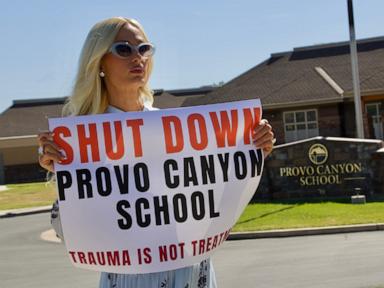
Paris Hilton just walked right back to the gates of her own worst nightmare. Flipping her middle fingers in the air, she strutted toward the campus of Provo Canyon School in Springville, Utah. She was 17 when she left that place. Now she's 45, and she isn't running away anymore.
This isn't about reality TV fame or brand endorsements. It's about a multi-billion-dollar network of private, for-profit residential youth facilities that has operated in the shadows for decades.
Hilton returned to Utah to stand alongside two families who just filed major lawsuits against the school. The timing is critical. The state health department recently clamped down on the facility with temporary licensing restrictions after workers allegedly botched the medical care of an injured student. Those restrictions stop the school from taking in new clients.
The battle over the troubled teen industry isn't new, but the push to dismantle it has never been this aggressive.
The Reality Behind the Marketing
Parents get desperate. Your teenager is skipping school, running away, or slipping into addiction. You feel like you've tried everything. Then a slick website promises to fix your kid with therapeutic wilderness hikes and structured discipline. You sign the papers. You pay the massive tuition bills.
That's the trap Hilton warns about. Her own parents, Richard and Kathy Hilton, fell for it in the late 1990s. She wasn't a criminal. She had ADHD, snuck out at night, and pulled bad grades.
Once the doors lock behind a kid, reality looks completely different from the brochure. Hilton has spent years detailing what she endured during her 11 months inside Provo Canyon School. Staff members allegedly beat her. They watched her shower. They forced her to swallow unknown medications and threw her into solitary confinement completely naked.
The facility claims it cannot comment on anything that happened back then. Why? Because the school is under new ownership now. Universal Health Services bought the facility in 2000, and the current administration blocks questions about the past by pointing to that ownership shift.
But the new lawsuits prove the problems didn't vanish with a new corporate tax ID.
The Fresh Allegations Triggering Utah State Action
The two new lawsuits filed against Provo Canyon School detail a horrifying pattern of medical neglect that echoes the stories told by survivors from decades ago.
In one case, Aleah Corona sued on behalf of her 13-year-old son. According to the lawsuit, another resident slammed the boy's head directly into the ground. Instead of rushing the bleeding teenager to an emergency room, the staff allegedly waited. The delay in care compounded the damage. The boy walked away with a fractured jaw and a traumatic brain injury.
The second lawsuit tells a similar story of a young girl who complained of excruciating stomach pain and constant nausea for over a week. Staff members allegedly dismissed her agony. By the time she finally saw a doctor, her body was shutting down. She suffered full kidney failure.
These aren't isolated complaints from disgruntled teens. The Utah Department of Health and Human Services stepped in, citing the school for failing to seek immediate medical attention for severely injured youth. The state blocked the facility from admitting new residents, though those specific restrictions are scheduled to expire this week.
Provo Canyon School released a standard corporate response, stating that safety, dignity, and well-being are their highest priorities. They claim patient privacy laws prevent them from discussing specific cases.
Why Utah Controls the Market
Utah is the undisputed capital of the troubled teen industry. The state's loose regulatory framework historically allowed private residential treatment centers, wilderness programs, and behavior modification boarding schools to thrive with almost zero outside oversight. It turned into a massive cash cow for operators.
The industry depends on isolation. Programs often cut off a child's communication with the outside world, rationing phone calls and vetting letters sent to parents. If a kid complains about abuse, staffers label it "manipulation" or "splitting." Parents are told to ignore the pleas as part of the child's resistance to treatment.
The system relies entirely on breaking the code of silence. That's why Hilton’s platform matters. She’s not just venting on social media; she's weaponizing her wealth and visibility to force legislative change.
Her advocacy helped pass reform laws in Utah and 15 other states. She has testified before Congress and state committees, demanding strict regulations on the use of physical and chemical restraints, peer-on-peer violence reporting, and the outright ban of solitary confinement for minors.
How Parents Can Spot the Warning Signs
If your family is struggling with a teenager experiencing severe behavioral or mental health issues, you must protect them from predatory institutional marketing. Do not trust sales pitches that promise an immediate cure.
- Check the state's licensing database for active violations, employee misconduct reports, and conditional restrictions.
- Avoid any facility that requires you to sign away your right to communicate freely and unmonitored with your child.
- Demand to see the facility's exact policy on physical restraints, isolation rooms, and the administration of psychiatric medications.
- Look for community-based, outpatient mental health resources that keep your child integrated with family support structures rather than shipping them out of state.
The business model of these facilities relies on desperate parents who feel they have nowhere else to turn. Pulling back the curtain on these operations is the only way to stop the cycle of abuse. Watch the state licensing boards, track the active lawsuits, and never let an institution cut off your direct access to your child.