The coffee in the lobby of the Hotel des Bergues in Geneva tastes exactly like wealth and distance. It is served in porcelain so thin you can see the shadow of your fingers through it. Outside, the Lake Geneva fountain shoots water a hundred meters into the crisp Swiss sky, a display of absolute control and predictable physics.
Inside, men in dark, uncreased suits walk past each other without making eye contact.
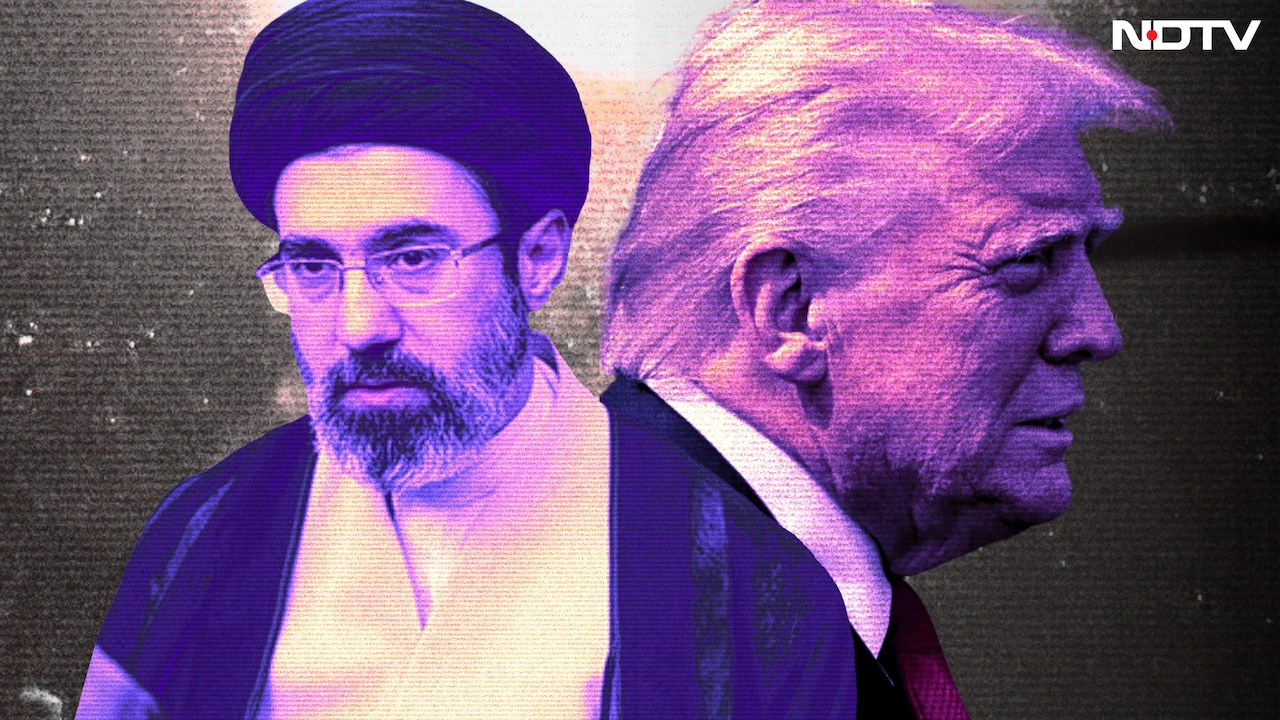
They are here because forty-seven years of screaming across an ocean has achieved exactly nothing. For the first time in a generation, official delegations from the United States and the Islamic Republic of Iran are sitting in the same room, without the buffer of Swiss intermediaries or European diplomats whispering translated concessions. They are looking at each other across mahogany tables.
To the casual observer scrolling through a news feed, this is a headline about geopolitical recalibration. It is a paragraph about sanctions relief, centrifuge counts, and maritime choke points. But if you sit long enough in the quiet corners of these neutral hotels, you realize that history is not made of treaties. It is made of ordinary, terrifying human exhaustion.
The Ghost at the Table
Consider a hypothetical citizen. Let us call her Farrah. She is twenty-four, living in an apartment in central Tehran, and she possesses a master’s degree in electrical engineering that she uses to sell handmade leather bags online. Farrah has never seen an American soldier. She has never visited Washington.
Yet, her entire life has been sculpted by decisions made in buildings she will never enter. When the currency plummeted last winter, her savings evaporated. When the medical supply lines choked, her uncle’s cancer treatment became a black-market scavenger hunt. For Farrah, the phrase "maximum pressure" is not a foreign policy doctrine. It is the sound of her father staring at a calculator at three o'clock in the morning.
On the other side of the ledger is an American family in Ohio. They have a son stationed on a destroyer in the Persian Gulf. For them, Iran is a shadowy monolith, a source of low-grade, perpetual anxiety that spikes every time the evening news mentions drone strikes or enrichment percentages.
These are the invisible stakes in Switzerland. The diplomats in Geneva are trading in abstractions—breakout times and frozen assets—but the currency they are actually spending belongs to Farrah and the family in Ohio.
The baseline reality of US-Iran relations has long been defined by a mutual, comforting choreography of hatred. It is easy to hate an enemy you never have to look at. For decades, both leadership structures benefited from the theater of enmity. It provided domestic leverage. It explained away internal failures.
But theater requires an audience that still cares, and right now, the audiences in both nations are tired.
The Mechanics of a Handshake
The difficulty of these talks is not logistical; it is psychological. How do you begin a conversation when the last fifty years have been spent building a monument to mistrust?
An analogy helps clarify the problem. Imagine two neighbors who have been locked in a bitter property dispute for half a century. One neighbor built a fence over the line; the other neighbor poisoned the well in retaliation. Over the decades, children grew up learning that the family next door was inherently evil. If one neighbor suddenly walks across the lawn holding an olive branch, the other does not see peace. They see a trick. They look for the knife hidden behind the back.
In Geneva, the immediate hurdle is simply establishing a vocabulary that does not trigger an immediate walkout. The American team wants to talk about regional stability and verifiable nuclear caps. The Iranian team wants to talk about sovereignty and the immediate removal of economic strangulation.
They are speaking different languages even when the English is perfect.
The process moves with agonizing slowness. A single paragraph can take three days. A debate over a gerund can stall a session until midnight. The air in the conference rooms grows thick with the smell of stale catering and the distinct aroma of anxiety. Everyone involved knows the political cost of failure is high, but the political cost of compromise might be even higher back home.
The hardliners in Washington are already sharpening their knives, calling any dialogue a betrayal of democratic values. The hardliners in Tehran are doing the same, viewing the talks as a capitulation to Western imperialism. To step forward is to invite fire from your own side.
The Quiet Room
There is a specific kind of silence that occurs right before a breakthrough or a collapse. It is the moment when all the pre-written talking points have been read, when the grandstanding for the cameras outside is finished, and the two lead negotiators are left looking at a piece of paper that requires them to give up something they promised they never would.
That is where the real work happens. Not in the plenary sessions, but in the small break-out rooms where the translation is discarded because everyone understands the stakes perfectly well without it.
We have been conditioned to expect dramatic cinematic conclusions to these events—the signing ceremony, the flashing bulbs, the historic handshake on a manicured lawn. But real peace, if it comes, arrives without a soundtrack. It looks like two exhausted people agreeing to meet again next Tuesday. It looks like a minor adjustment to a shipping regulation that allows a cargo container of medicine to clear port three weeks faster than it did last month.
The tragedy of diplomacy is that its successes are invisible. You cannot photograph a war that did not happen. You cannot interview a civilian whose home was not destroyed. The headline "Negotiations Continue" is profoundly boring to the average reader, yet it is the most beautiful sentence a parent with a child in uniform can read.
Outside the hotel, the Swiss afternoon is fading into a cold grey twilight. The tourists are taking photos of the lake, completely unaware that inside the limestone building behind them, a dozen men are trying to rewrite the future of the Middle East.
If they fail, the world will return to its familiar, dangerous equilibrium. The sanctions will tighten, the centrifuges will spin faster, and the rhetoric will grow louder. Farrah will continue to watch her future shrink in Tehran, and the family in Ohio will continue to watch the news with a knot in their stomachs.
But for tonight, the lights in the conference room remain on. The coffee is cold, the papers are scattered, and the shouting has stopped. In the silence that remains, there is a fragile, terrifying space where something new might just take root.