Guadalajara is supposed to be hosting a party. The World Cup is kicking off across Mexico, and football purists love talking about the history here. They bring up Pele's Brazil magic from 1970 or the legendary 1986 matches featuring Zico and Socrates. It's a beautiful picture. But it's also incredibly naive.
Behind the massive fan festivals, the shiny new stadium infrastructure, and the corporate sponsorships lies a messy reality. Guadalajara isn't just a historic football city. It's the absolute nerve center of the Jalisco New Generation Cartel, one of the most violent and sophisticated criminal syndicates on earth. While millions of eyes tune in to watch the matches, this criminal enterprise is positioned to make a fortune off the global tournament. For another view, check out: this related article.
Everyone wants to pretend sports exist in a vacuum, but they don't. The money flowing into Mexico right now isn't just going to hotels and local restaurants. A huge chunk of it is filtering directly into the pockets of organised crime.
Where the Money Flows
When a massive influx of international tourists hits a city controlled by a syndicate, crime syndicates don't just sit on their hands. They monetize everything. Similar insight regarding this has been shared by The Athletic.
Take the hospitality sector. You think you're booking a legitimate boutique rental or hailing a standard local cab, but the lines of ownership are completely blurred. In western Mexico, criminal groups heavily control local transit networks, extortion rackets on businesses, and the distribution of everyday goods. If a local restaurant sells food or beer to thousands of visiting fans, they're likely paying a local tax to the syndicate just to keep their doors open.
Then there's the black market economy. Fake merchandise, scalped tickets, and illicit substances are massive profit drivers during major sports tournaments. With hundreds of thousands of affluent international fans looking for a good time, the demand spikes overnight. Syndicates operate these distribution networks with corporate efficiency. They control the supply chains, the street vendors, and the territory.
The High Stakes Security Game
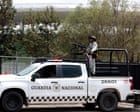
President Claudia Sheinbaum's administration is hyper-focused on keeping the peace. They've flooded the host cities with a massive security presence. The goal is simple: create an unbreakable ring of steel around the stadiums and official fan zones to keep the violence invisible.
The government has deployed thousands of military and national guard troops to secure areas like Guadalajara and Monterrey. They know the stakes are impossibly high. Security analysts at the Armed Conflict Location & Event Data Project noted that organised crime violence events in Mexico rose significantly ahead of the tournament, hitting levels not seen in years. Local civil society groups and union workers have even taken to blockading streets and knocking over promotional statues to get their grievances heard while the world is watching.
But the real threat isn't a direct attack on football fans. Syndicates rarely target foreign tourists because doing so brings a catastrophic level of federal and international heat. They prefer to operate in the shadows, quietly draining cash from the local economy while the authorities look the other way to ensure the games run smoothly.
The Threat of Outside Intervention
The situation is further complicated by intense geopolitical pressure from Washington. Donald Trump's administration has taken an aggressive stance on regional drug networks, using unilateral military moves in neighboring regions like Venezuela as a warning shot.
The political rhetoric coming out of the United States has made it clear that Washington is watching Mexico's security situation closely. Any major security failure during the World Cup could serve as the perfect excuse for unilateral US action or aggressive economic blockades. President Sheinbaum is taking zero chances, forcing the Mexican state to project total control, even if that control is fragile beneath the surface.
For the average fan on the ground, the risk of getting caught in a crossfire remains low. The danger is structural. The money spent on match tickets, drinks, and accommodations props up a system where local businesses are squeezed dry by cartels, and the state prioritizes a corporate sporting event over its own citizens' daily safety.
Staying Safe on the Ground
If you're traveling to the games, you don't need to panic, but you do need to be smart. Rely strictly on official tournament transport networks instead of hailing random street cabs. Stick closely to the heavily policed fan zones and tourist corridors. Keep your wits about you, use peer-to-peer payment options where possible, and avoid purchasing any black-market goods or tickets from unauthorized street sellers. The best way to deny these criminal groups your cash is to stay entirely within the official, regulated tournament ecosystem.